US Air Force Academy cadets thought he was just a janitor — until they found out he was a Medal of Honor hero
He swept floors and cleaned washrooms without letting anyone know about his true identity.

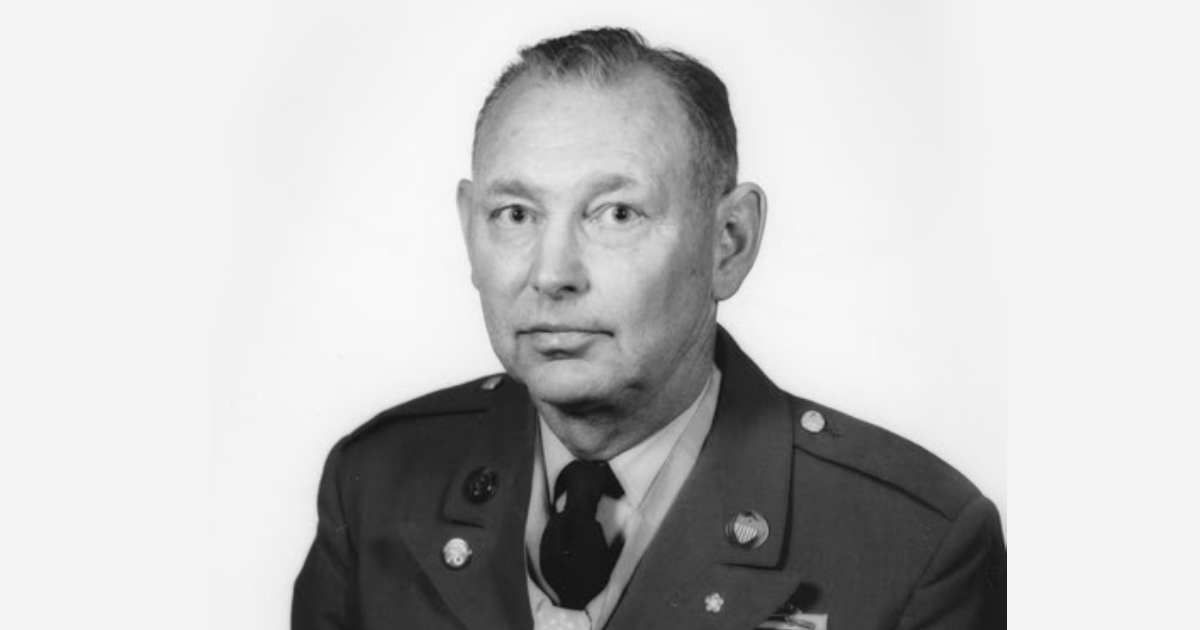
"The Medal of Honor," the highest military award of the United States, was awarded to 471 servicemen for their contributions in World War II. Notably, over half of them received the honor posthumously. However, among those 273 posthumous medals, one in particular was extra special because its recipient was still alive when it was awarded to him, according to Beaches of Normandy Tours. Yes, we are talking about William John Crawford, the US Army soldier who led an ordinary life, mostly away from the limelight, despite great achievements; in fact, he was so humble that for the longest time, people around him didn't realize that Crawford, the janitor at the Air Force Academy, was actually a war hero.
Crawford was born in Pueblo, Colorado, and joined the U.S. Army in July 1942. During WWII, he was captured by the German forces and became a prisoner of war. He spent and survived 18 to 20 months in captivity, including a brutal period where the Germans forced the prisoners to march about 500 miles in winter. Crawford's sudden disappearance from the war made the army believe that he had died. To honor his bravery, he was even awarded the Medal of Honor, which his father received in 1944. However, oblivious to this, he was rescued from captivity the same year, re-enlisted in the army in 1947, and returned in 1967 as a master sergeant. He then worked as a janitor at the US Air Force Academy, where nobody knew who he really was. Crawford maintained a very low profile and worked as if he were just a regular worker. He even swept floors and cleaned the toilets without complaining. His identity remained far from the public eye until a cadet, James Moschgat, stumbled upon a book about World War II, where someone named William Crawford was presumed killed in action.
When Cadets At The US Air Force Academy Realized Their Janitor Was Medal Of Honor War Hero
byu/17ani29 inAmazingStories
It had Crawford's picture, and Moschgat immediately noticed the similarity with the janitor. When the cadet confronted him about it, Crawford replied humbly, "That was one day in my life, and it happened a long time ago." The news spread like wildfire, and the cadets decided to do whatever they could to make sure Crawford was recognized for his great achievements. Finally, in 1984, 40 years later, President Ronald Reagan presented Crawford with a Medal of Honor at the academy’s graduation ceremony again. The man, known for his humility, passed away in March 2020 and was buried at the Air Force Academy cemetery, becoming the only non-Air Force person to have ever been given that honor. Crawford might have left the world, but his legacy of courage and humility echoes across generations.
Humility has always been a crucial aspect of the military at all levels; in fact, humility, defined as a "leader's ability to acknowledge his or her limitations, learn and adapt, and seek others' input and feedback, is a vital attribute to driving the organizational change, and is now explicitly included in U.S. Army leadership doctrine. While this doesn't mean every person understands its profound impact, it is said that only a humble leader can handle the unpredictable challenges of war. Humility allows a leader to use the team's strengths and experience, adapt, and stay flexible during uncertain situations. Moreover, it helps leaders make smarter choices in war situations.
More on Scoop Upworthy
Family stunned as kind stranger goes the extra mile to reunite them with WWII hero's lost medals
This article originally appeared 1 month ago.
 Share on Facebook


