Doctors struggled to explain a Florida woman’s silent strokes — until her sleeping habit cracked the mystery
With each stroke, Glenda's brain was getting more damaged, and the doctors had to figure out the cause fast.


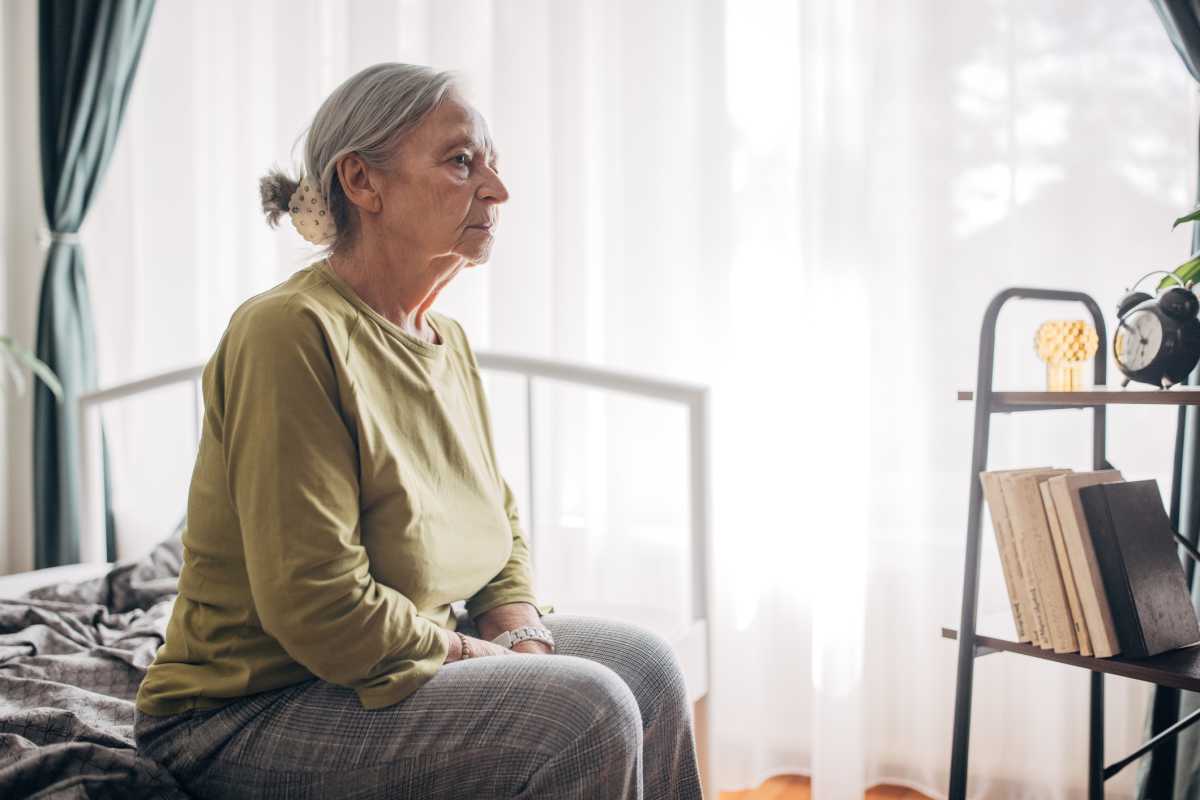
Some common risk factors for a stroke include obesity, physical inactivity, diabetes, high cholesterol, high blood pressure, and more. But this was not the case for Glenda Bridges. The 83-year-old Naples woman suffered three strokes within a matter of days without the usual risk factors, only showing certain confusing symptoms. She told Amy Oshier, a reporter for the Gulf Coast News, that one day she woke up and "had no balance, and my vision was blurry."
With each stroke, Glenda's brain was getting more damaged, and the doctors had to figure out the cause fast. Dr. Viktoria Totoraitis, a vascular neurologist at NCH, noticed something unusual in Bridges' brain activity, leading to a much-needed breakthrough.
Adding to the symptom-less nature of her disease, Dr. Totoraitis said, "What was even more uncommon is her strokes were all in the same location of the brain." She explained how to determine the cause of a stroke, "Blood vessels are like highways, meaning they each go to a specific territory. So, when a patient has a stroke, I know what blood vessel supplies that territory." After multiple tests and ruling out different causes, Dr. Totoraitis revealed that Glenda Bridges had "wake-up strokes." A wake-up stroke is defined as "the situation where a patient awakens with stroke symptoms that were not present prior to falling asleep."
Dr. Totoraitis asked Bridges about her usual sleeping position, to which the 83-year-old revealed, "On my side, kind of all curled up in a fetal position." This information greatly helped narrow down the root cause of her strokes. They proceeded with vessel imaging of Bridges in the same sleeping position after learning that she had undergone several neck surgeries before. Finally, Dr. Viktoria found the answer to why the woman had suffered three strokes within a short span of time: "When she's sleeping and curled up like that, because she does have a lot of cervical spinal arthritis, some narrowing, she was pinching off one of her vessels."
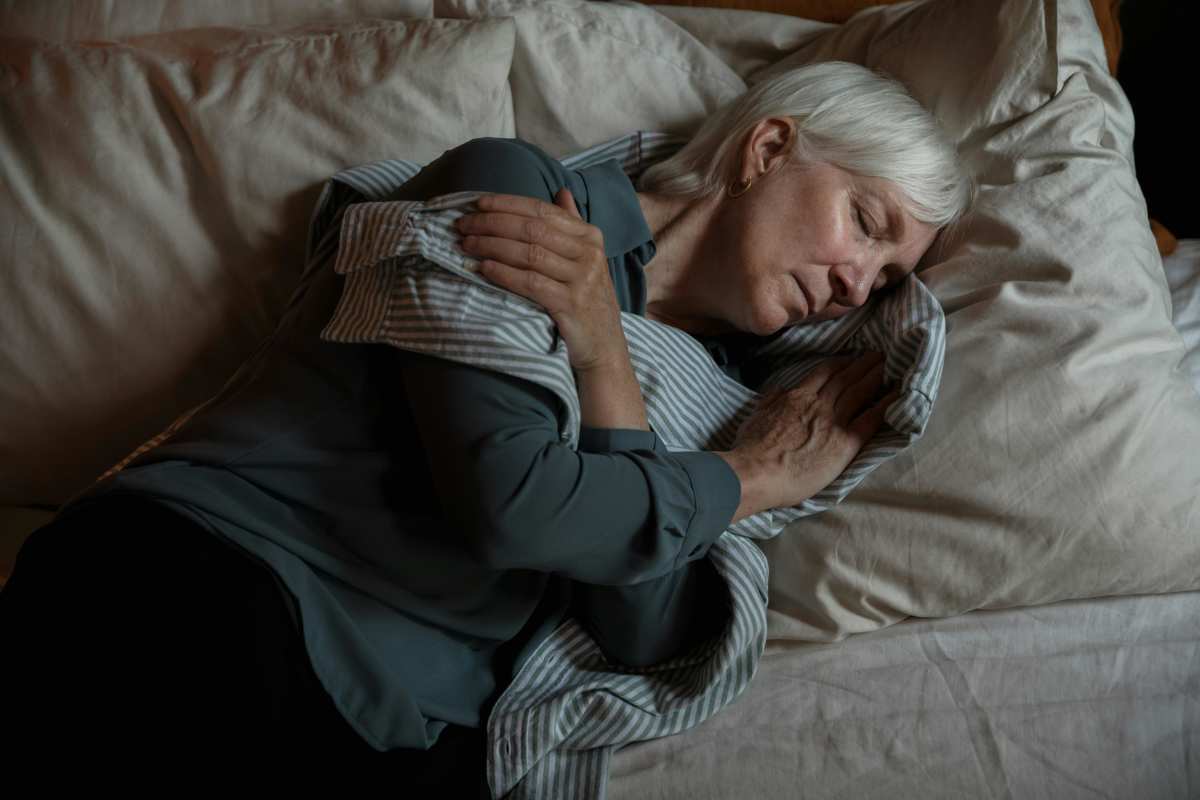
Thankfully, Glenda does not have to undergo any more surgeries to recover from her strokes. Dr. Viktoria simply recommended a change to her sleeping position and to sleep with a soft collar. She also clarified that sleeping on the side in the same position is not harmful for an individual with no neck surgeries. This small change in her sleeping habits improved Bridges' health. She reported that she has not suffered any strokes since then and has learned how to sleep on her back.
Time is of the essence when it comes to dealing with stroke patients. One of the fastest ways to identify a stroke is by using a method called F.A.S.T. This acronym stands for Face, Arms, Speech, and Time. If you suspect someone is having a stroke, ask them to smile. Check if one side of their face is drooping. The next step is to ask the person to raise both their arms and check if one arm is drifting downwards. The third step is to ask the person to repeat a simple phrase after you. Note if their speech is slurred or incomprehensible. The last step is to call 9-1-1 if you notice any of these symptoms. According to a survey done by NCHS, the death rate for stroke has decreased. It went from "39.5 per 100,000 in 2022 to 39.0 per 100,000 in 2023."


Several people praised the doctor's detective-like skills in finding the root cause of Glenda Bridges' strokes. @juniperwool wrote, "I have never met a doctor this invested in helping a patient." @bipolarcollie shared a similar story, "Injured my neck in a car accident decades ago. Now if I sleep 'wrong' on my back or side, I wake up with bad neck pain & headaches. It'd bother me all day & affect my sleep the next night too. It's hard to keep your head in a good position while you sleep. Tried various pillows but finally bought a foam cervical collar. What a difference! And now I learn it might help prevent strokes. Inexpensive, easy fix."
More on Scoop Upworthy
Informative video accurately depicts how to spot signs of a stroke in an effort to save more lives
Sitting for 8 hours a day can increase your chances of stroke, says study
 Share on Facebook


