Pregnant woman was 'bored' when midwives convinced her to join a 'baby study.' One heel-prick test made doctors urgently call her older son
'I feel so ridiculously lucky that we timed having a baby when the Generation Study was out there as an option,' Jessica Barker-Roe said


Any mother who has spent days stuck in a hospital while heavily pregnant will tell you how slowly the clock ticks when they were there. This was precisely the experience of 32-year-old Jessica Barker-Roe while expecting her second son, Revan. So, when midwives approached the Bradford resident to participate in an ongoing study, she agreed without thinking twice. Though she didn’t think too much of it at the time, this decision turned out to be a pivotal moment, not just in her life but in her two children's lives as well. Incredibly, the findings of the study helped save her children's lives, as reported by The Independent on August 21, 2026.
Midwives approach 'bored' patient
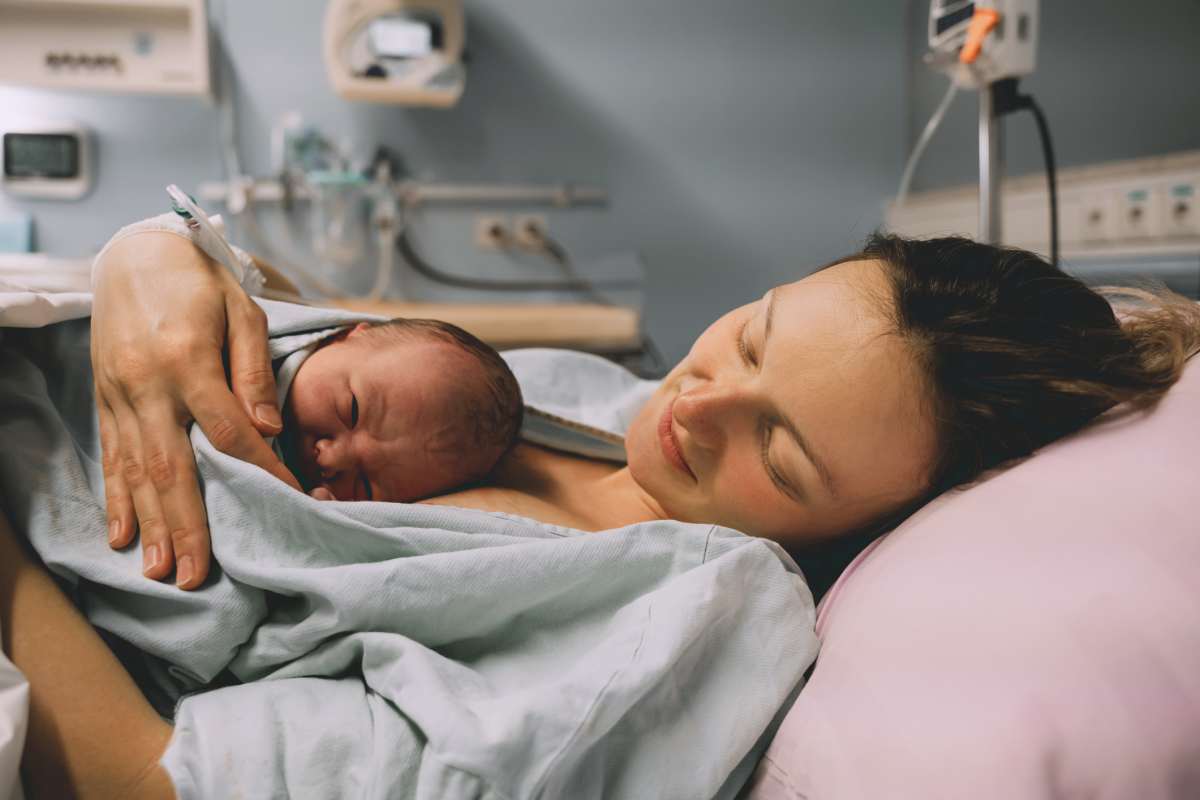
During an extended prenatal hospital stay in West Yorkshire due to bleeding, Roe was looking for anything to pass the hours when research midwives stopped by her bedside to explain to her a new clinical trial. Despite having never heard of the initiative, the Generation Study, she agreed almost on impulse. "Honestly, I was just bored, so I said, 'Yeah, whatever,' and put it to the back of my mind," she later said.
The newborn diagnosis
Shortly after this conversation, her second child, Raven, arrived in the world. The clinical staff then performed a standard heel-prick test on him to sequence his genome as part of the trial. The tests revealed that the newborn carried a genetic mutation linked to adrenoleukodystrophy (ALD), a progressive metabolic disorder capable of severely impairing mobility, vision, and adrenal function.
His brother's urgent screening
After the researchers diagnosed Raven with ALD, they immediately instructed Roe and her husband to test his four-year-old brother, Thorin, for the same. To their surprise, he had ALD. Thankfully, it was determined just in the nick of time, since symptoms for this mutation start showing up after four years of age. "I feel so lucky; instead of feeling worried, I feel so ridiculously lucky that we timed having a baby when the Generation Study was out there as an option," Roe said.
Establishing active surveillance
Armed with this early information, doctors at the Bradford Teaching Hospital will be keeping both brothers under their watch. This would help them tackle any neurological decline. "We are now in a position where it’s surveillance and, if it does occur, the worst thing that could happen is surgery and a bone marrow transplant," Dominic Barker-Roe, their father, added. The children would be going through MRI scans twice a year, roughly until the age of 12, alongside other hormonal checks to keep them safe and limit any permanent damage.

Early detection is vital
This entire story goes to show how critical early detection could be for life-threatening diseases. However, according to a survey conducted by Prevent Cancer Foundation, only about 51% of Americans report having had a routine medical appointment. To make matters worse, this is a steep 10% drop from 2024. That being said, once informed about the benefits of early detection and how it could improve one's chance of recovering successfully, 73% of people confirmed being more likely to schedule their appointments.
The wider impact of the study
Led by Genomics England alongside NHS England, the Generation Study aims to evaluate whether screening 100,000 newborns via whole genome sequencing can reliably flag over 200 disorders before physical symptoms emerge. As things stand, the project is available at more than 70 hospitals across the country and couldn't have hoped for a better start. After all, they aim to save kids like these two brothers from the lifelong impacts of disorders. And if this was a preview of things to come it safe to expect this practice to be adopted by not just England but the world.
More on Scoop Upworthy
Wife circled husband's moles for dermatologist appointment. His doctor responded by rating each mole
TV anchor hid her 'skin pain' behind makeup for years until one viewer's DM set her free
Boss noticed employee turning 'yellow' and ordered her to the doctor's office. It saved her life
 Share on Facebook