Mom thought it was a panic attack. Then a 15-year-old Elizabeth Banks PSA saved her life
She wasn't 'even prone to panic attacks' and took a hit from her asthma inhaler in hopes of breathing easier, but it didn't help


It is a terrifying reality that the line between a routine, lazy evening at home and a sudden life-or-death crisis can disappear in a matter of seconds. One woman (@grrr_em_lin) found herself in such a situation, desperately trying to make sense of chest discomfort, sudden sweating, and a spike of fear while watching TV. Fortunately, a sudden memory of an old Elizabeth Banks public service announcement (PSA) flashed through her mind, prompting her to call 911 in a split second before it was too late. She shared the incident on Threads on September 23, 2026, which captured widespread attention, drawing over 26,900 likes and 2,900 comments in just one day.
Not indigestion, not a panic attack
The troubling situation began while the poster was on her couch, watching "Lanterns." When sudden chest distress hit, her first thought was, "Ooh, indigestion?" leading her to shift positions, pace around her home, and hold an ice pack to her chest to manage sudden sweating. Struggling on the floor, she assumed she was experiencing an unprecedented panic attack: "I'm not even prone to panic attacks," and took a hit from her asthma inhaler in hopes of breathing easier. However, the discomfort continued. Suddenly, the memory of Banks’ famous heart health PSA played in her head.
For context, in the PSA by the American Heart Association’s 2011 short film "Just a Little Heart Attack," Banks portrays a busy mother who ignores heart attack symptoms while doing everyday chores, thinking she has "gas." It specifically aims to teach women not to overlook symptoms such as nausea, unusual fatigue, shortness of breath, and chest discomfort, mistaking them for less serious problems. Remembering the PSA gave the woman the push to dial 911 and contact her ex to stay with her children. "I was pretty sure I was having a heart attack," she added.
The 'Widow Maker'
When paramedics arrived at the scene, the situation escalated fast. "They asked a LOT of questions. I was barely coherent, barely conscious from the pain I was in. I was crying loudly." Emergency responders attached EKG monitors, inserted two IV lines, placed defibrillator pads on her back, and loaded her into a crowded ambulance. She initially felt embarrassed when the driver turned on the sirens. She tried to tell the crew it was probably nothing. The EMT took her hand and gently broke the news that the machine readouts showed "a massive heart attack," warning her that "if I hadn't called when I did...well."
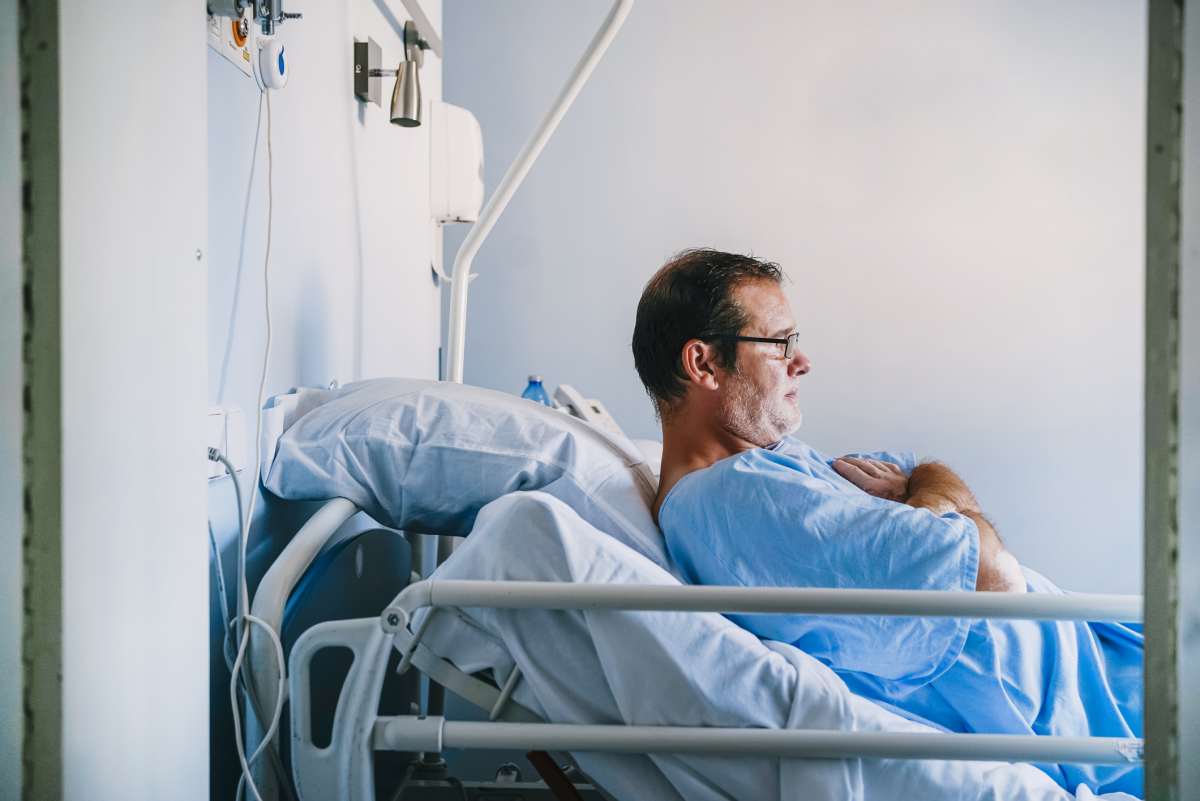
At the hospital, doctors discovered a blood clot and needed a stent in her heart. She mentioned her pain was not controlled during the procedure, "likely due to my Ehlers-Danlos Syndrome. I whimpered through the whole thing." Surgeons placed two stents into her left anterior descending artery to open severe 70% and 90% blockages. She had survived what medical professionals call the "Widow Maker," She said that she was "super lucky" to post on her account directly from the Cardiac ICU.
Heart attacks in America
Heart disease is the leading cause of death in the United States. According to statistical data from the Centers for Disease Control and Prevention, approximately 805,000 Americans experience a heart attack each year, with 605,000 of those being first-time cardiac events. Also, one in five heart attacks is silent, where the person doesn't even realize they are having one. Furthermore, one person dies every 34 seconds from a cardiovascular disease.
'Better to be safe than sorry'
The comment section quickly transformed into a mix of shock, solidarity, and relief, with readers sharing their own close calls and commending her life-saving instincts. @cholmaneee asked, "You were awake during the procedure??!!! They didn’t put you under? How traumatizing for you. I hope you heal quickly." @journey4noreason added, "I’m so happy you dialed 911 and listened to the signs!! I lost people very close to me from heart attacks. We can’t take those signs lightly anymore." @bbyekra commented, "I'm so happy you reached out for help! I called the ambulance myself for a panic attack 2 weeks ago; better to be safe than sorry. Hope you feel better."
More on Scoop Upworthy
 Share on Facebook