She almost thanked her ‘bank’ for fraud protection. Then one unusual question made her hang up immediately
'What they're trying to do is capture your voice for voice recognition systems, which a lot of banks use,' Meier warns.

Phone and phishing scams have become increasingly sophisticated, with fraudsters now able to make legitimate business numbers appear on our caller ID. Even people who consider themselves careful can be caught off guard. In a recent video shared on Instagram by etiquette expert Myka Meier (@mykameier), she described how she nearly fell for what appeared to be a legitimate fraud alert call — until one comment made her realize something was wrong. The video has reached 1.8 million and has been liked by over 66,000 people so far.
Meier explained that she received a call, and her caller ID displayed her bank's local branch number. "So I pick it up, and it is a very professional-sounding man," she said. The caller introduced himself as a representative from the fraud department and asked if she had just tried to open a bank account in California. "I was like, no, definitely not. Not me," she recalled. The caller reassured her, saying, "Okay, so glad we caught this. Don't worry. It has not been opened because of the location. We got a red flag, and that's why we were calling you."
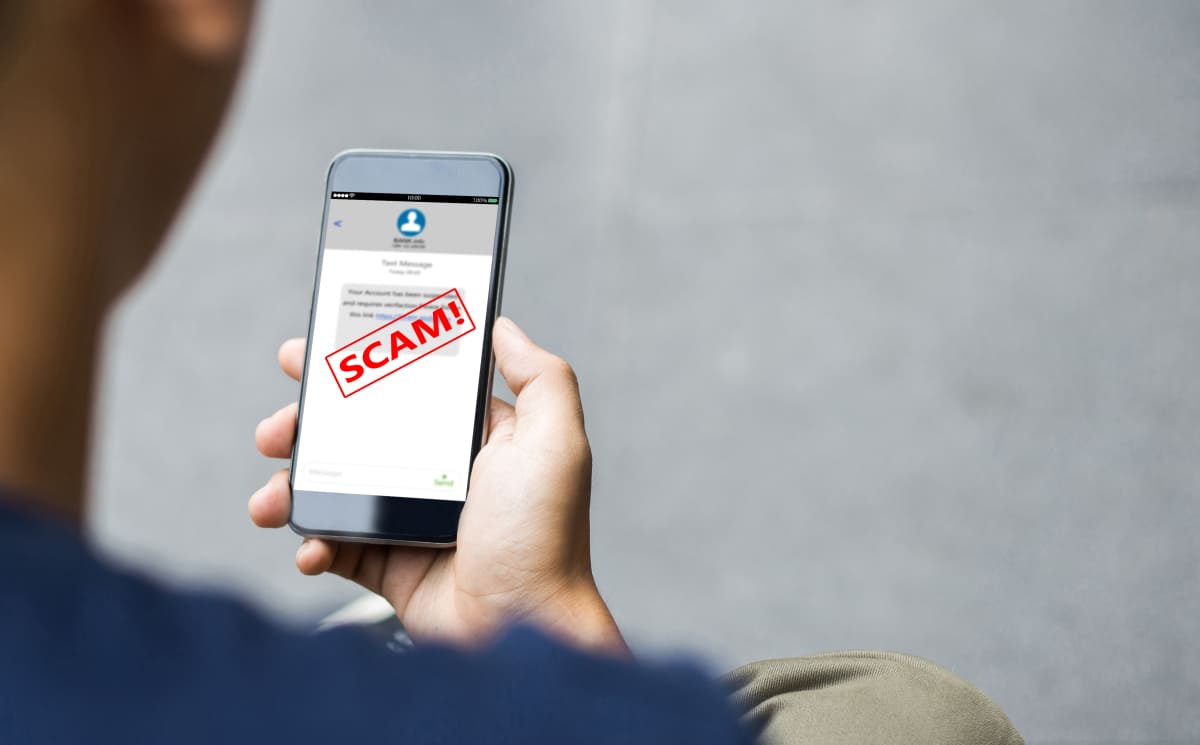
He then asked whether she had made two recent transactions, one for $2,000 and another for $3,000. "Nope, definitely wasn't me," she said. At that point, the interaction still felt legitimate, but then suddenly, the caller told her he would provide "void codes" and asked her to write them down. "So I very carefully take down the codes, the two codes he's given me," she said. After she repeated the codes back once, he asked her to repeat them. "And as I started, that's when I was like, wait a second, why am I repeating these codes?"

That pause triggered what she described as an immediate red flag. She hung up. "What they're trying to do is capture your voice for voice recognition systems, which a lot of banks use," she explained. Meier then called her actual bank directly using the official number listed on its website. The bank confirmed it had not contacted her and that it was a phishing scam. The part that unsettled her most was how convincing the setup had been. "Now on caller ID, they can actually make the bank's number come up," she warned. She advised people that if a bank contacts you about fraud or anything account-related, hang up and call the official number yourself to verify.
Caller ID spoofing has become a widespread tactic in fraud schemes. According to the Federal Communications Commission (FCC), scammers frequently manipulate caller ID information to display a trusted number, increasing the likelihood that someone will answer and engage. The FCC advises consumers not to provide personal information during unsolicited calls and to independently verify the caller's identity. USA's Phishing Statistics show it is the most common form of cybercrime, with roughly 3.4 billion spam emails sent out daily. In fact, Google blocks 100 million phishing emails every single day.

Meier ended her video, warning everyone, saying, "Beware. I hope your year is starting out better than mine." Many users said they had experienced similar spoofed calls or narrowly avoided scams themselves. @holdthedub wrote, "The bank will literally never call you. Simple as that." @juliehelmss added, "We have to be so careful with unknown callers and emails." @angiehilem commented, "Wowww spoofing is out of CONTROL! So glad you listened to your spidey senses."
You can follow Myka Meier (@mykameier) on Instagram for etiquette lessons.
More on Scoop Upworthy
Man flips the script on scammer, tricks him into paying $100 before calling the cops on him
Woman asks people to research well before buying on luxury resale site The RealReal to avoid fraud
This article originally appeared 2 months ago.
This article originally appeared 1 month ago.
 Share on Facebook


