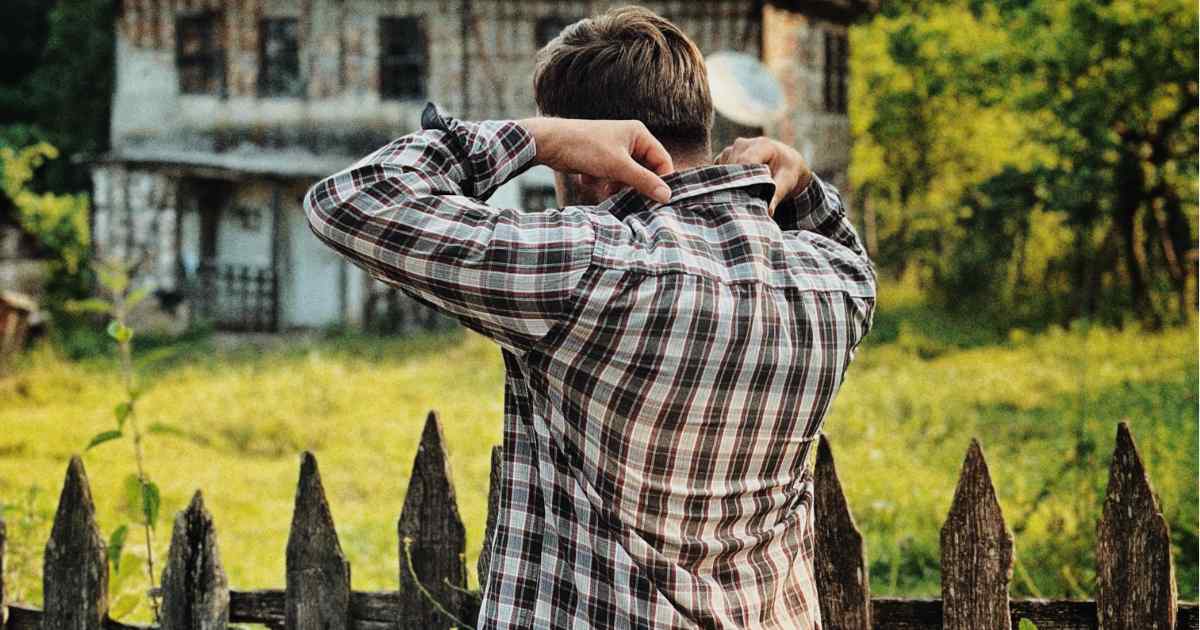
Farm's 'No Geotagging' sign made a wildlife photographer realize he'd been tipping off poachers
While the feature can support photographers and conservationists, it could also attract poachers and hunters

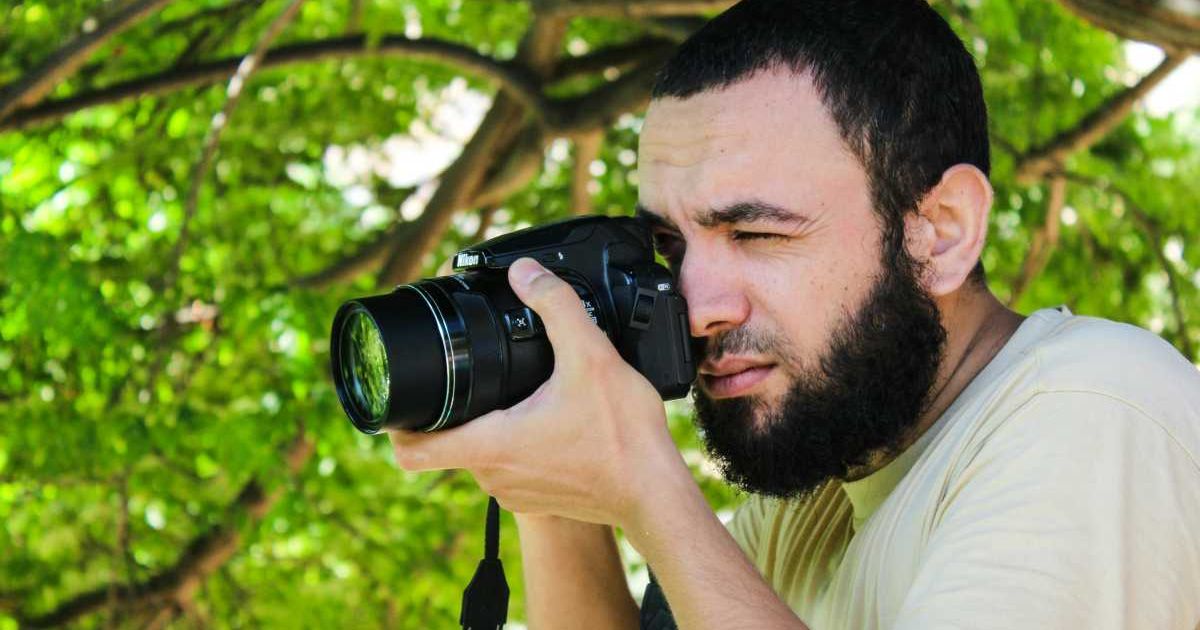
In most mystery movies, the villain shows up just as the hero is about to claim the treasure. Well, something very similar happens in wildlife photography. In a June 2, 2026, post on Instagram, wildlife photographer Ahmed Jasim (@ahmedjasim0_) drew attention to a signboard he found during a safari that instantly made him realize the photographers’ geotagging feature acts as an undesired signal to poachers. His post has received over 56,000 likes on Instagram.
Think before you post
Jasim has spent years capturing wild animals and sharing about them in hopes of connecting his audience to wildlife and nature. However, on a recent photography trip, he came across an unusual sign that caused him to pause and think. "Please be careful when sharing photos on social media. They can lead poachers to our rhinos. Turn off the geotag function and do not disclose where the photo was taken," the sign read, according to the image Jasim posted on his Instagram.
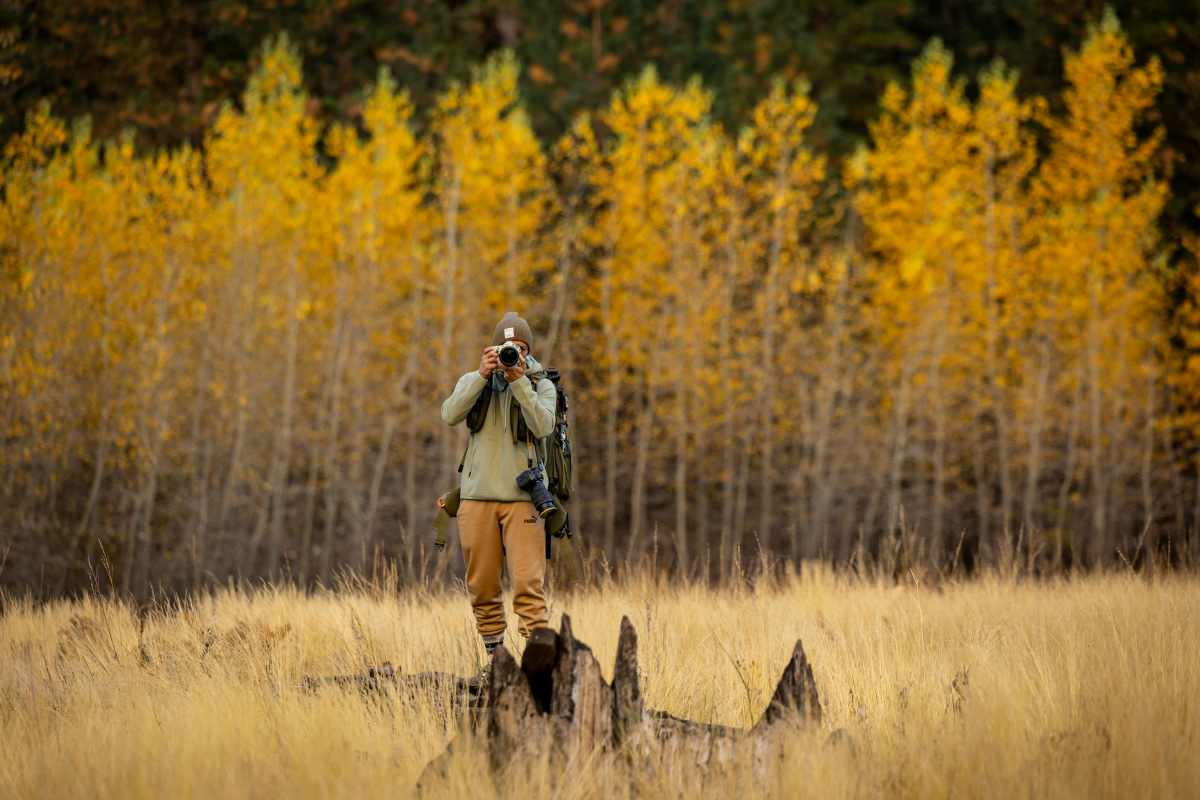
With geotagging switched on, the same location that attracts photographers, conservationists, and nature lovers can also attract poachers, hunters, and loggers, Jasim explained. In fact, he urged people to be responsible while sharing wildlife photos online. "In a world where a single photo can instantly reveal a location, sharing nature comes with a responsibility that many of us rarely think about," the photographer added. Moreover, while Jasim acknowledged his responsibility, he also confessed that it is very difficult to maintain the balance between enabling people to discover new places and keeping a part of the story hidden to protect nature.
Poaching on the rise
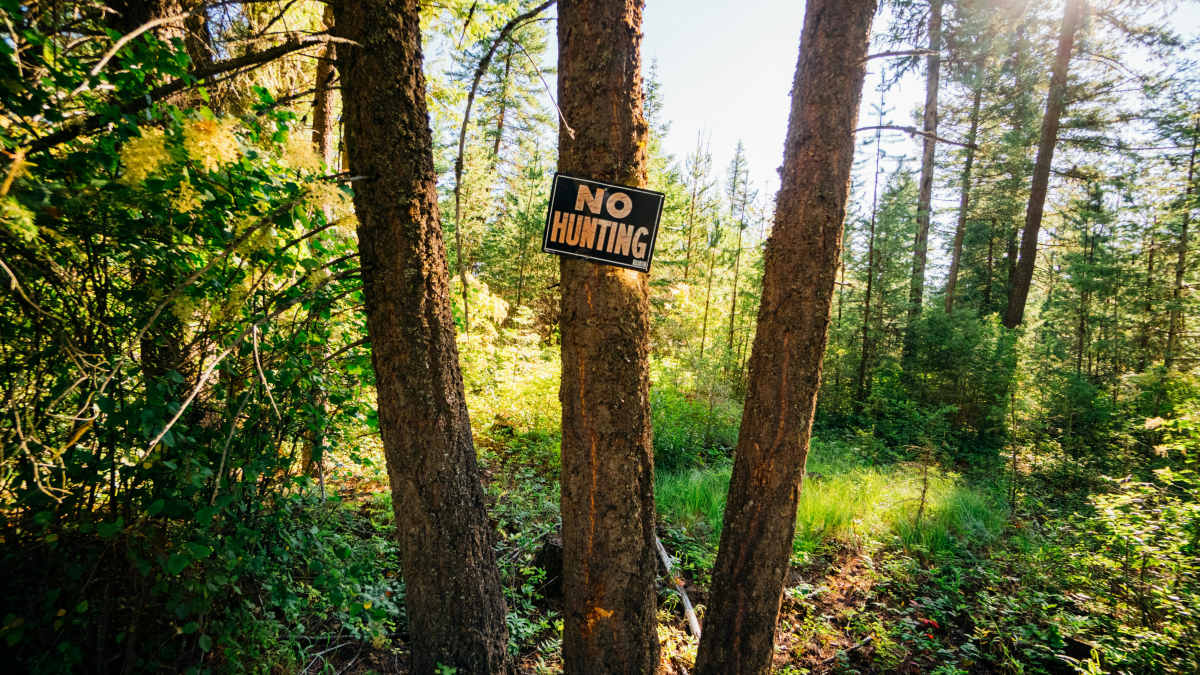
Considering the prevalence of poaching in the United States, Jasim's concern is not unfounded. In fact, under its “Poach and Pay” project, the Boone and Crockett Club estimated that around 95% of poaching cases in America go undetected. They also estimated that poaching costs governments and conservation groups at least $1.4 billion annually through lost fines and the cost of replacing illegally killed animals.
On the same day Jasim shared his post, South Australia Events & Tourist Attractions also shared a similar image on Facebook, warning photographers of the elusive geotagging feature. “Always turn off geotagging and avoid revealing exact locations of vulnerable animals. Protecting wildlife starts with all of us,” the company warned.
'I couldn't understand why rhinos were never marked on those maps'
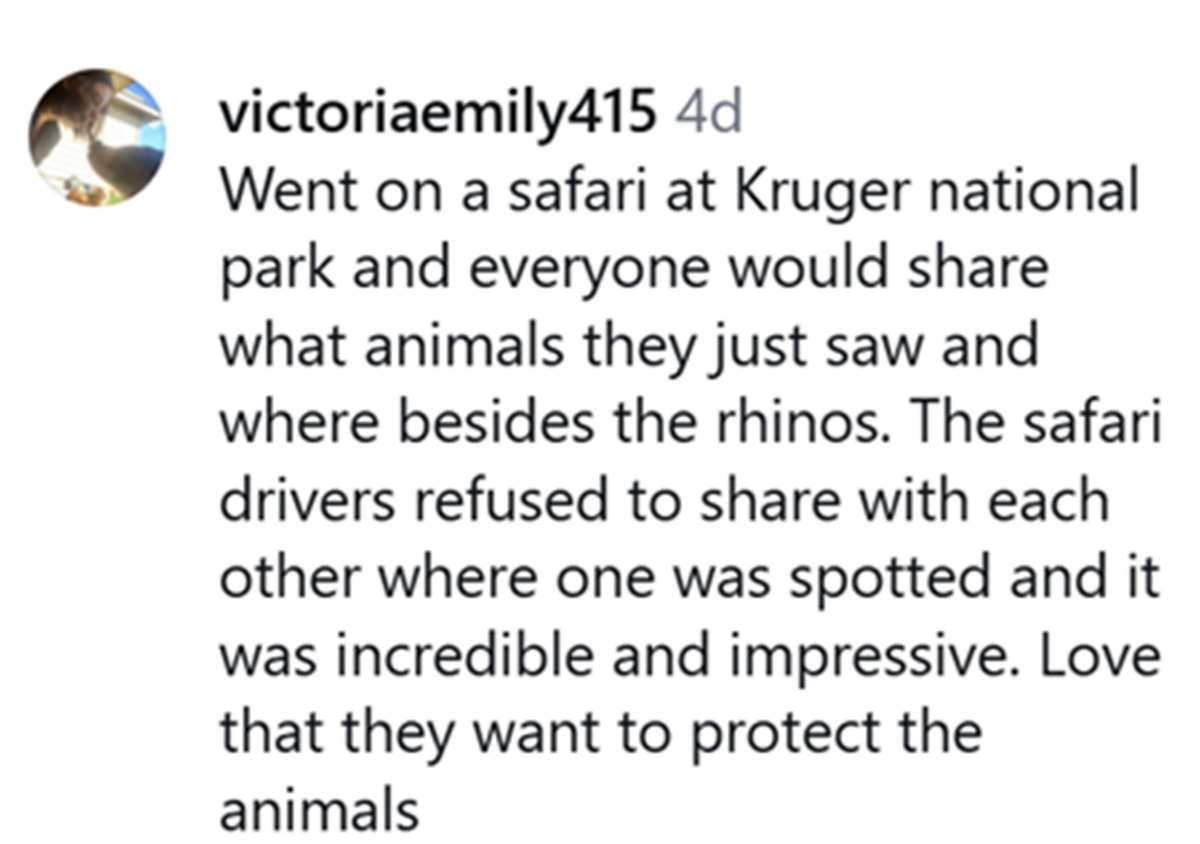
Meanwhile, in the comments, @roci_cg shared, "I remember visiting Kruger National Park a few years ago and being shocked by something. Every evening, the campsites shared maps showing where wild animals had been spotted that day, helping visitors find them the following day. I couldn't understand why rhinos were never marked on those maps. A kind man explained to me that it was to prevent poachers from tracking and killing them." Similarly, @wander__with__us wrote, "Wow, how powerful! We'd have never thought of this, so I think that sign is really helpful for those who want to enjoy wildlife and share it but not cause any harm."
You can follow Ahmed Jasim (@ahmedjasim0_) on Instagram for wildlife and nature content.
More on Scoop Upworthy
Kind US veterans join forces to battle against wildlife poaching in Africa: 'To help the voiceless'
Teen invents low-cost machine learning tool to detect elephant poachers in real time
London Zoo displays crocodile skin handbag to raise awareness of illegal wildlife trade
 Share on Facebook