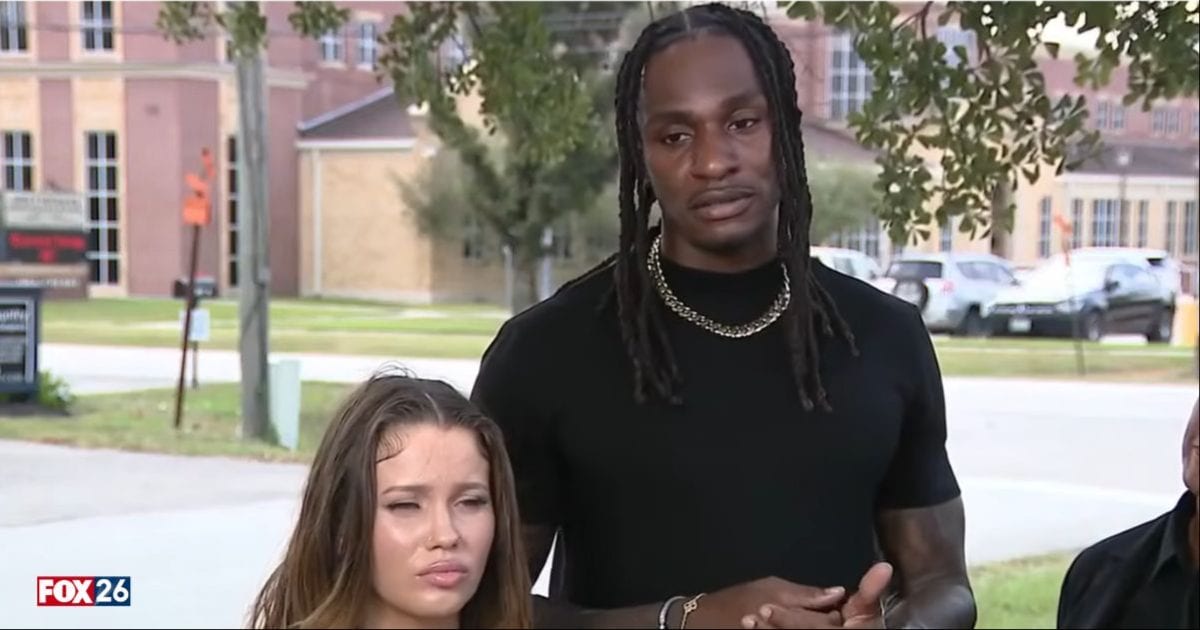
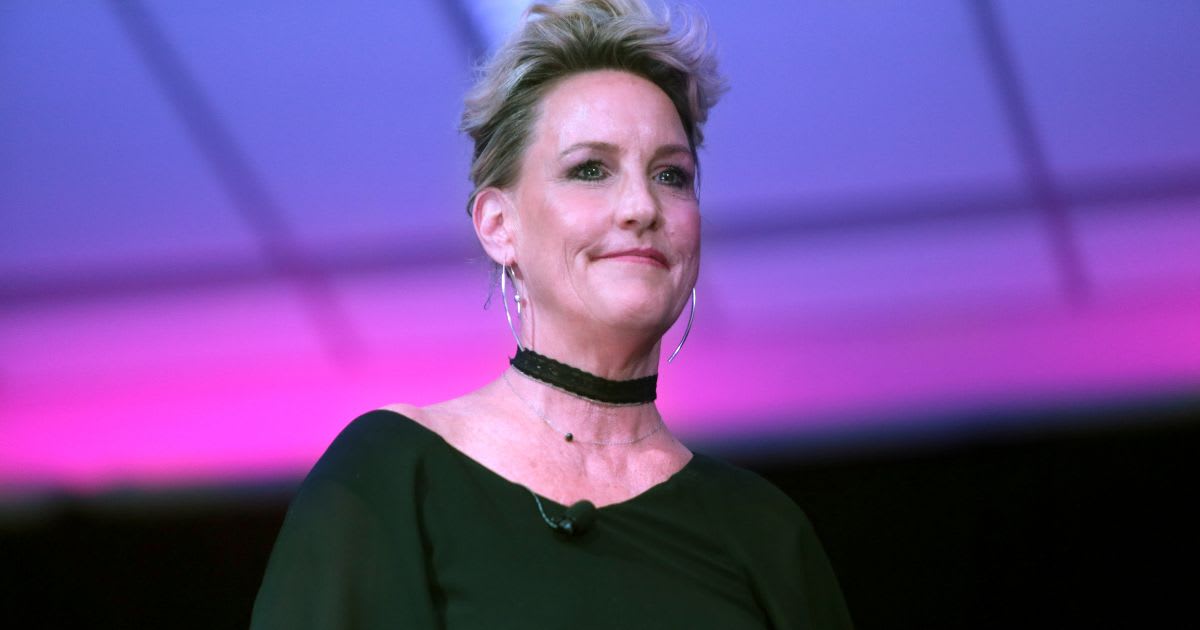
Why Erin Brockovich is mapping AI data centers across the U.S. — and asking for your help
Julia Roberts won an Oscar playing her. Now, the real Erin Brockovich is taking on the AI boom


When Julia Roberts took the stage at the 2001 Academy Awards to accept her best actress award, she immortalized a legal clerk who refused to watch normal people getting steamrolled by corporate giants. That name was Erin Brockovich, who, back then, was fighting against Pacific Gas and Electric Company over their contamination of the groundwater in Hinkley, California. However, now her fight is against AI data centers, a resource-heavy infrastructure fueling our digital world, according to a May 29 report by Distractify.
Against the will of the residents
As we are all aware, data centers have been popping up across the U.S. at a rapid pace. This, obviously, comes as a result of Artificial Intelligence users growing and the companies needing more infrastructure to support it. The issue is that these centers are being constructed against the will of the residents. MS Now interviewed the people of Texas — home to more than 400 AI centers, the second most in the country — and found out that they don't want their land to turn into fuel for this digital age.
Residents told MS Now they were given little information about how these projects would benefit their communities. Instead, many expressed concerns about rising electricity costs, noise pollution, and the broader impact the facilities could have on their land and resources. As a result, opposition to the projects has continued to grow across parts of the state.
Tracking the data center boom
Brockovich detailed the effort in a Substack newsletter, explaining that the project began after she received a flood of emails from residents worried about data centers being built near their homes. More importantly, she noted that many residents feel they were never included in the decision-making process. "They aren't being seen in their own backyard, and they deserve to know what's happening," she told MS News. Wanting to see the bigger picture, she launched a website featuring an interactive map that tracks facilities and community concerns across the country.
The map points out over 3,000 data centers out of a total of more than 4,000, excluding those that have not had any reported negative impact on residents. This includes operational data centers (33), under-construction ones (53), those in the pipeline (34), and community-reported data centers (3,674). Through these submissions, residents have raised concerns ranging from energy consumption and water usage to e-waste, noise pollution, wildlife impacts, and potential risks to nearby communities.
Erin Brockovich launches map of over 4,200 data centres in the US, appeals for local communities to report environmental impact and other costs
by u/marketrent in technology
Turning concern into action
Brockovich acknowledged that not every community is against data centers. However, she said the map shows a pattern emerging across the country, with more residents questioning what these projects could mean for their land, water, and quality of life. "I am watching as you, the communities, show up and speak out. In the famous words of Mark Twain, 'The secret of getting ahead is getting started,' so let’s go," the activist noted on her website. But she cannot do this alone.
Going around the country and identifying these data centers isn't quite plausible for Brockovich. That's why she needs the community to step up. The people who are facing these challenges are the ones who can report them the best. That's why her website also states "self-reporting" is the best way to spread awareness about these issues.

Just how much power do data centers use?
What makes Brockovich's effort even more crucial is the fact that there is no exact picture of the number of data centers across the US. Since no government agency keeps track of them, some organizations have even taken it upon themselves to locate facilities that operate largely out of public view, according to 404 Media. What we do know, however, is the enormous amount of energy these facilities consume.
The International Energy Agency estimates that data centers currently account for about 1.5% of global electricity use, a figure that is expected to rise sharply as demand for AI continues to grow. Researchers at MIT estimate that data centers could consume more than 1,000 terawatt-hours of electricity globally by 2026 — roughly equivalent to the annual energy consumption of Japan.
The map was also shared by u/marketrent, sparking a debate on the lack of execution of Brockovich's idea. u/Muggsy423 was concerned about the authenticity of this map as they wrote, "I'm looking at a 'data center' near where I live, and it's a hangar on an airfield. The site is good for official reporting, but the community one looks like overly concerned citizens reporting any large warehouse building." Meanwhile, u/tphillips1990 commented, "I do believe there are necessary discussions to be had about the impacts of AI on humanity. I also believe the tribalistic hatred of anything and everything to do with AI is practically becoming a religion at this point."
More on Scoop Upworthy
Is AI making our brains lazier? A new study involving 350 Americans reveal a chilling answer
'Godfather' of Artificial Intelligence quits job and explains why we should be wary of AI
Can AI replace humans in love? A psychotherapist explains why humans still have the edge over AI
 Share on Facebook