Vlogger found needles, notes and medicine vials on a grave and felt uneasy. Then they saw whose grave it was
Visitors leave empty insulin pens on Sir Frederick Banting’s grave to honor the hero who sold his life-saving patent for $1 to keep it affordable.

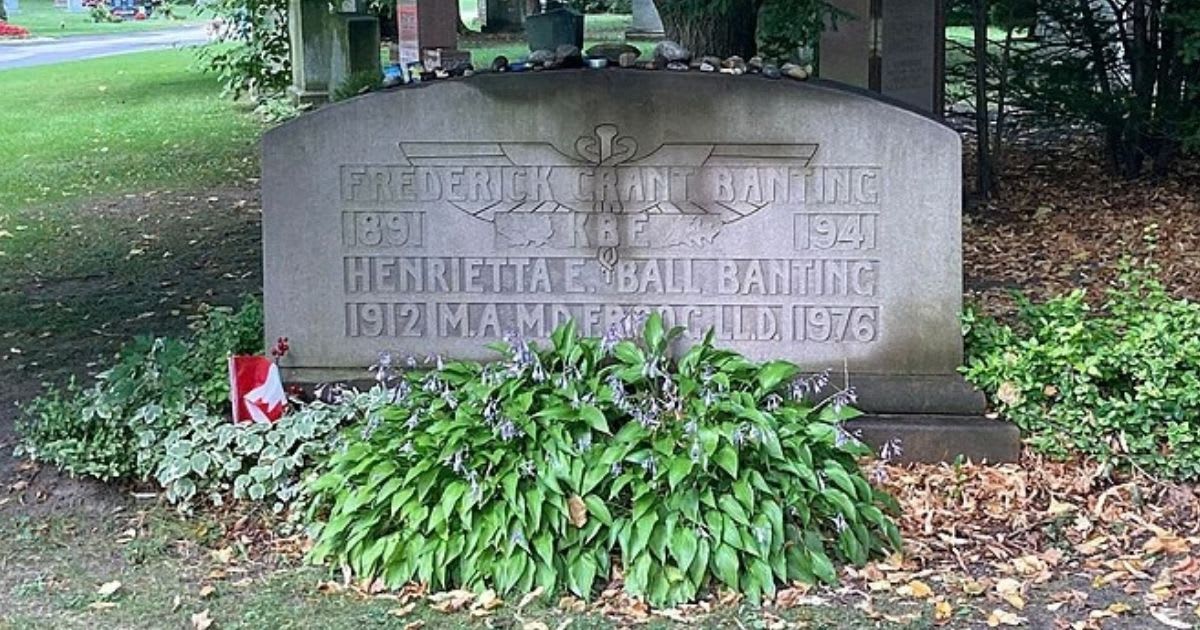
Visitors to Mount Pleasant Cemetery in Toronto were captured leaving behind an unexpected token of gratitude at a quiet grave surrounded by lush greenery. The headstone is subtly decorated with insulin pens, empty medical vials, and small notes. What looks like an unusual site for grave offerings quickly reveals itself as a deeply personal tribute left at the final resting place of a medical pioneer. The viral video was posted on Instagram by Jillian Sederholm (@jilliansed) on September 12, 2026, and has already racked up over 31,000 likes and 1,510 reshares.
'I owe you my life'
The video follows the creator's walk through the cemetery, where they saw this headstone. Marked with insulin pens gently placed on the stone slab and in the surroundings, it immediately raises curiosity about who is buried there and why people are leaving prescription items instead of flowers. Resting among the medical pens and vials are small handwritten notes tucked against the stone, with one particularly poignant message, simple enough to sum up the scene: "I owe you my life."

Why the $1 patent still matters
The grave belongs to Sir Frederick Banting, one of the researchers behind the discovery of insulin. Banting and J.J.R. Macleod received the 1923 Nobel Prize in Physiology or Medicine, while Charles Best and James Collip also played crucial roles in the breakthrough. Banting, Best, and Collip later assigned their insulin patent rights to the University of Toronto for $1 each, helping prevent any one individual or company from controlling the treatment for personal profit.

Tradition of paying respects
Leaving specific objects at a resting place as a nod to a person's life's work is a long-standing tradition. In New York, suffragette Susan B. Anthony’s gravestone is covered in "I Voted" stickers every election day. Elsewhere, readers leave ink pens in a jar at Douglas Adams’ grave, fans famously left lipstick kisses on Oscar Wilde's tomb for decades, and people routinely leave Campbell’s soup cans at Andy Warhol’s final resting place. Much like these tributes, the insulin pens at Banting's headstone serve as a living monument to a legacy that changed human history forever.
'He saved my son'
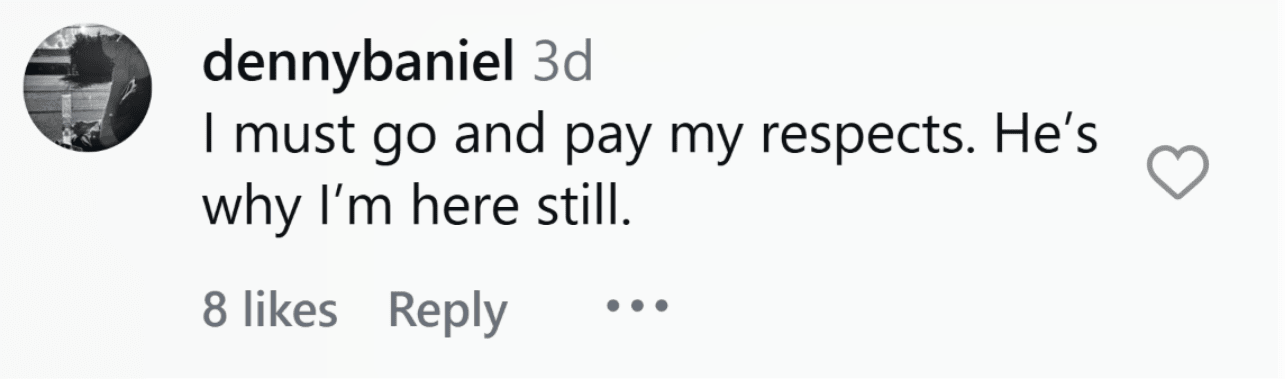
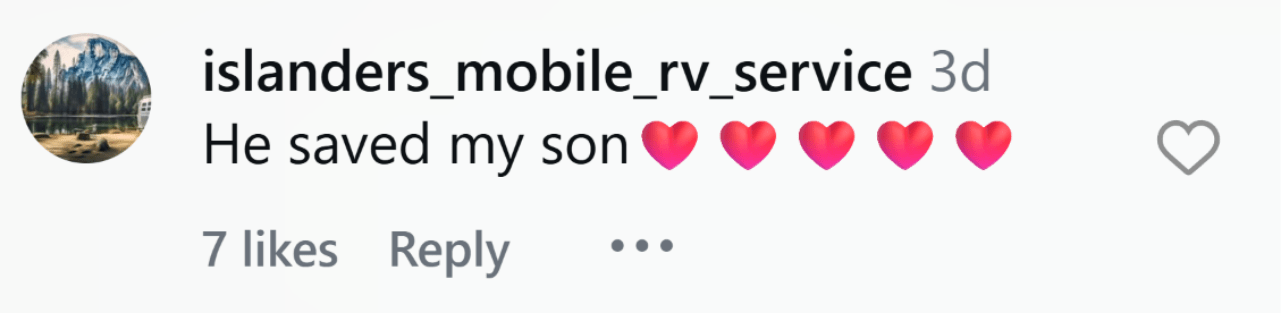
The comment section quickly turned into a mix of gratitude and frustration over modern healthcare costs. Users shared personal stories, with @islanders_mobile_rv_service writing "He saved my son", while @alexisdaycentury21 added, "I wouldn't be alive without his amazing mind." Others called out high prescription prices, with @momrnally commenting, "Shame they make such a profit off of insulin... We need reform," and @poochiex2 adding, "He would be disgusted at what big pharma has done with what he gave to us as free." In a world where access to medicine remains a fight, the small pile of pens on Banting's grave stands as a striking reminder of how deeply insulin changed people’s lives.
More on Scoop Upworthy
For 70 years, a mystery stranger had been leaving flowers and poems at her brother's grave
 Share on Facebook