World Cup tourists are leaving 'blank tips' on their food. So U.S. restaurants quietly changed the option
International soccer fans are learning the hard way that U.S. restaurants don't play when it comes to tipping. They're calling it the 'World Cup tax'


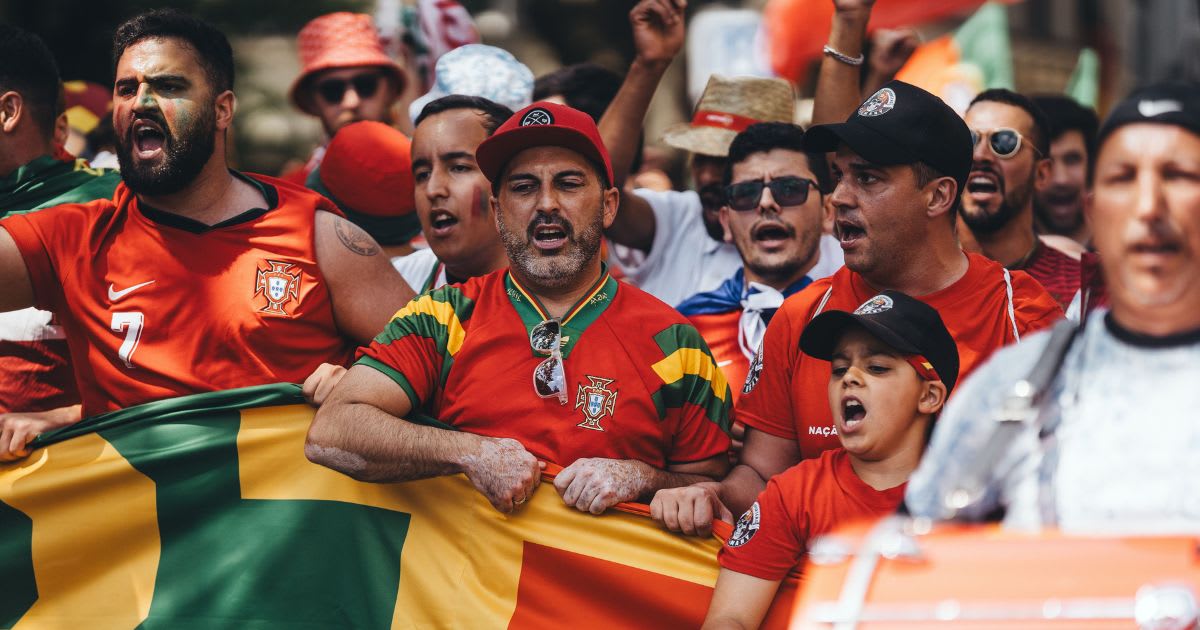
In recent weeks, soccer fever has overtaken the United States, turning host cities into vibrant street festivals. Approximately 1.2 million fans from around the world have flooded local bars and restaurants, donning their national colors and creating an electric atmosphere. From the Tartan Army taking over Boston to the Norwegian fans disrupting Times Square, the citizens seem to love it. However, when these fans sit down for dinner, they are committing a cardinal sin in the eyes of the hosts: walking away without tipping. This has prompted businesses to improvise, as reported by the New York Post on June 20, 2026.
Cultural differences spark friction
The festive mood, which is the very spirit of the World Cup, has left many servers feeling disappointed, as a significant number of fans are leaving their tips completely blank. This behavior is not due to a lack of appreciation; rather, it stems from cultural differences regarding tipping. In countries like the United States, where servers often depend on tips to supplement their low wages, which sometimes are as low as $2.13 per hour, gratuity is an essential part of their income. In contrast, in many other countries, waitstaff are paid full salaries, making tipping optional or even nonexistent.
The 'World Cup' tax
To address this cultural gap, some owners have decided to take matters into their own hands. Restaurants in places such as Kansas City, Atlanta, Philadelphia, and many more have stopped giving these fans an option. Instead, they have started automatically adding 20% gratuities to the checks. Although this is their way of avoiding huge explanations and maybe even conflicts with the tourists, it's a two-edged sword. While it finally solves the issue of fans not leaving any tips, it has become an issue for Americans, the majority of whom tip depending on the service.
Fans overall are great
Still, many restaurant workers don't blame the visitors themselves. In fact, servers like Louise Dagget at McCarthy's Pub in New York City noted that visitors have been genuinely sweet but confused about the tip calculations. "All in all, I haven’t had a bad experience because they’re so happy and excited. And they try," she told the New York Post. However, while Dagget isn't losing any sleep over this, these businesses need to be sustained at the end of the day. But that can't be done when the tabs are racking up to $700, and no gratuity is being left by customers.
Serious backlash
One of the victims of this so-called World Cup tax was The Star's Toriano Porter, who was left stunned when one of his favorite restaurants in the South Plaza area of Kansas City told him and his friends that their bill would automatically include a 20% gratuity. Obviously, he wasn't happy with this, nor will most Americans be. At the same time, even European fans have argued that this automatic fee feels more like a tax rather than a standard transaction when you love the service.
Only fueling strong feelings
Moreover, this "World Cup" tax is just giving even more people reason to agree that the tipping culture has gotten out of hand within the country. Already, 63% Americans hold at least one negative view about tipping, which is up from 59% in 2024, according to a study held by Bank Rate. Now, to add this new tax, this feeling is only going to get stronger. Moreover, about 41% people feel that rather than collecting gratuities from customers, businesses should start paying waitstaff proper wages.
People want businesses to step up


Well, a similar feeling carried into the comments section of a clip shared by Sky News Australia (@SkyNewsAustralia), where the hosts discussed the same issue. @lornabinnions6850 wrote, "Instead of staff in America having to rely on tips, their employers should pay them a fair wage!" Meanwhile, @Fredom_Half_Off commented, "While I get why servers might be angry...they need to understand many Americans are fed up with the attitude that tips are expected and not earned..."
More on Scoop Upworthy
Customer refuses to pay 15% auto gratuity at restaurant after being denied tap water to drink
Woman 'asked' to tip at a self-checkout counter in Los Angeles, sparks intense debate
 Share on Facebook