In 1917, a trapped miner wrote his wife a farewell note with the dying embers of their last candle
James D. Moore wrote his finals words on peices of paper 2,500 feet below the surface


Many wonder what their final thoughts would be if time were running out. For James D. Moore, a shift boss at Speculator Mine in Butte, Montana, the answer came on June 8, 1917, when he was trapped after a mine shaft collapse. Instead of panicking, he focused on his family and penned a heartfelt letter for his wife in his final moments, leaving behind a legacy that moves tourists to this day when they pay a visit to the site of America's biggest mining tragedy, according to Bitterroot magazine.
The spark of the disaster
Moore died when he and several other workers were attempting to lower a massive, oil-soaked electrical cable 2,500 feet underground. At first, everything was going according to plan, as the miners were no strangers to dangerous working conditions like these. However, everything went south when a supervisor accidentally struck the cable with an open flame from his carbide lamp. This ignited the highly flammable insulation of the cable. However, it wasn't this initial flame that caused the tragedy — it was rather what happened afterwards.

The toxic trap
The initial fire acted like a giant furnace, sucking out the oxygen from the shafts and replacing it with lethal carbon monoxide. Before the workers knew it, they were stuck in a maze of dark, smoke-filled tunnels. Although even then, they would've been able to get out without any issues, only if the mine had proper fire doors. However, that was not the case, as back then, to pump up the production because of World War I, safety was overlooked, so there was no escape.
Letters from the deep
Soon, hundreds of men realized that they were not making it out alive. Although the miners on top did launch heroic efforts to save the ones trapped inside, it was almost impossible to get everyone out safely. Nonetheless, Moore and Manus Duggan, a “nipper” one level below him, made makeshift bulkheads to save their men from the fire. But that wasn't going to last long, and with them running out of time, men used the dying embers of their candles to write final letters to their loved ones.
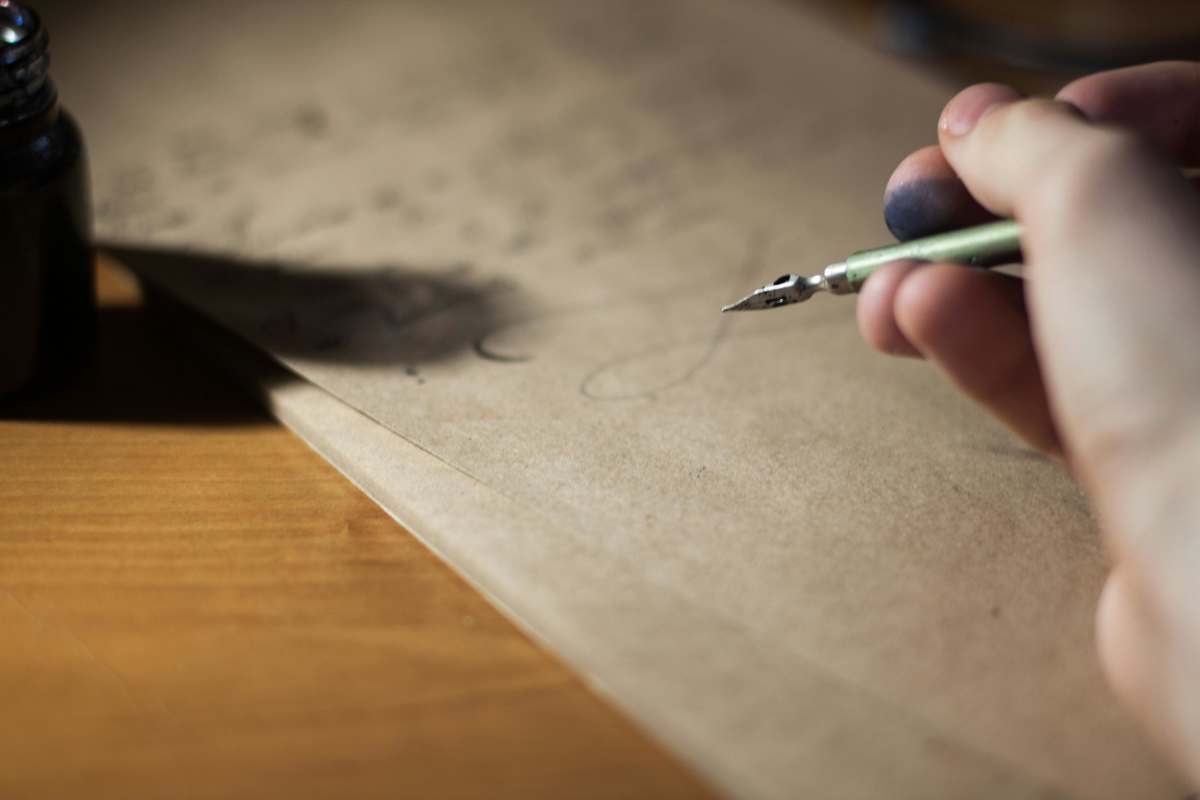
Moore wrote, "Dear wife, this may be the last message you will get from me. The gas broke about 11:15 pm I tried to get all the men out, but the smoke was too strong. I got some of the boys with me in a drift and put up in a bulkhead. If anything happens to me, you better sell the house and go to California and live."
The letter written by Duggan read, "I’ve not confided my fears to anyone, but welcome death with open arms. To my wife and mother, it takes my heart to be taken from you so suddenly and unexpectedly. But think not of me, for if death comes, we’ll be in a sleep without suffering.” Moore also dedicated his last words to his wife. He wrote, “Know your Jim died like a man, and his last thought was for his wife. Tell mother and the boys goodbye. With love to my wife and may God take care of you."
They died but saved many
Although neither Moore nor Duggan survived, five of Duggan's and 25 of Moore's men in the bulkhead made it out alive, respectively, after surviving 50 hours in the toxic environment. After several efforts, about 250 more miners were saved. However, not everyone was that lucky; about 150 men, including these two heroes, gave their lives on the ground, while about 15 more succumbed to injuries after being rescued, according to the Big Sky Journal.
More than a century later, the miners' final acts of love are still remembered through candlelight. At commemorative ceremonies held at the memorial, visitors light candles as the doomed workers' last letters are read aloud — a tribute that reduces many to tears.
'The copper Kings treated their workers so badly'


This is exactly what was seen when NinaאJean (@ninajean.mov) visited the memorial and broke down reading the goodbye notes. People in the comments also couldn't contain their emotions. @1snowboardguru stated, "The copper Kings treated their workers so badly, Butte was the birthplace of workers' unions, and the first people who tried to unionize were beaten to death and hung in the streets." Meanwhile, @tsoftee revealed, "My great grandpa got crushed and died working a copper mine in Montana, mining is no joke."
More on Scoop Upworthy
Titanic survivor reveals why the tragedy continued to give him nightmares for decades
After tragic DC crash, pilot shares powerful message that his passengers needed to hear
 Share on Facebook


