Small German town actually pays people to go green. It's already slashed 12,800 tons of CO₂
Bavaria uses 'Chiemgauer' instead of euros for everyday purchases, and people can also earn it by doing various chores

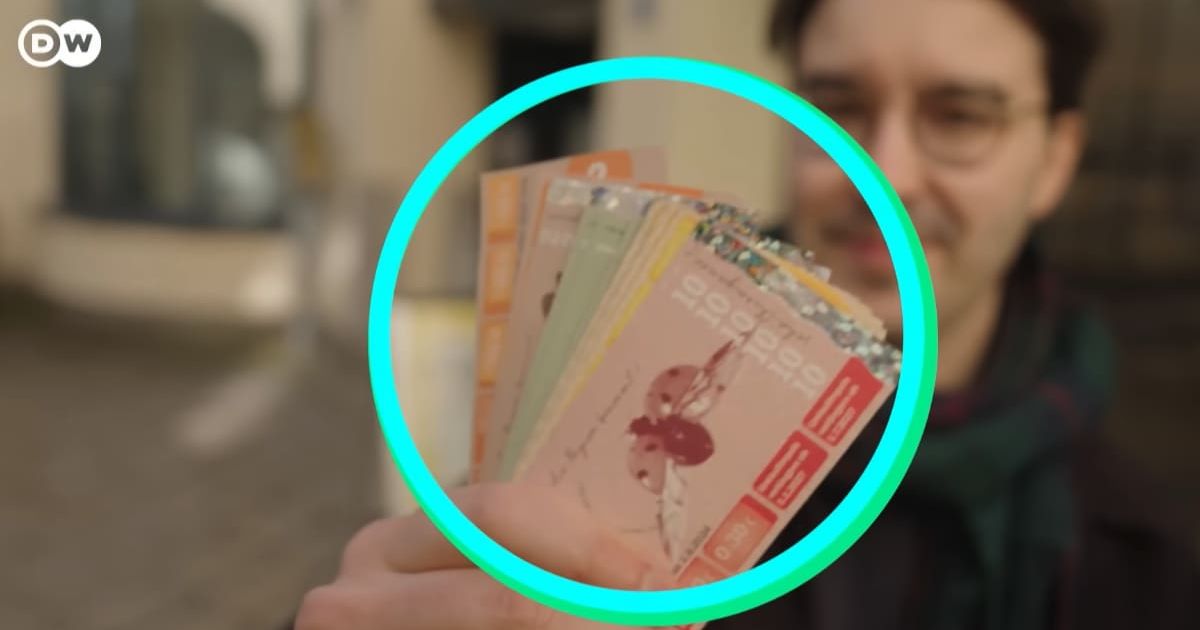
For years, the fight against carbon emissions has been a challenging trial-and-error process. Countries have rewritten tax codes, engineered massive wind farms, and incentivized electric vehicles. Yet, the answer to driving real, grassroots environmental action might not lie in massive global treaties, but in a homegrown stack of cash circulating through the Bavarian region of Germany. A report by DW Planet A (@DWPlanetA) on April 3, 2026, highlights how residents are using the local currency, the 'Chiemgauer', instead of euros for everyday purchases, resulting in a significant impact on carbon emissions. The report has also garnered over 683,000 views since.
A classroom experiment
Well, the use of Chiemgauer started in 2002, with a high school economics teacher, Christian Gelleri, and a handful of his students launching a small experiment to protect local shops from being hollowed out by massive shopping malls. They designed and printed a hyper-local voucher called the Chiemgauer to incentivize buying from these small businesses. Soon, this classroom experiment became a big hit and has now turned into a full-fledged weapon battling environmental degradation.
Transforming into climate action
This shift began in 2022, when the primary focus shifted from protecting businesses to a green incentives program called the Climate Bonus. This system rewards citizens with Chimgauer cash for participating in carbon-cutting behaviors, such as using car-sharing networks, mending old clothes, insulating homes with natural materials, and installing solar panels in their backyards or on their balconies. About 10 Chimgauer earns participants 50 points.
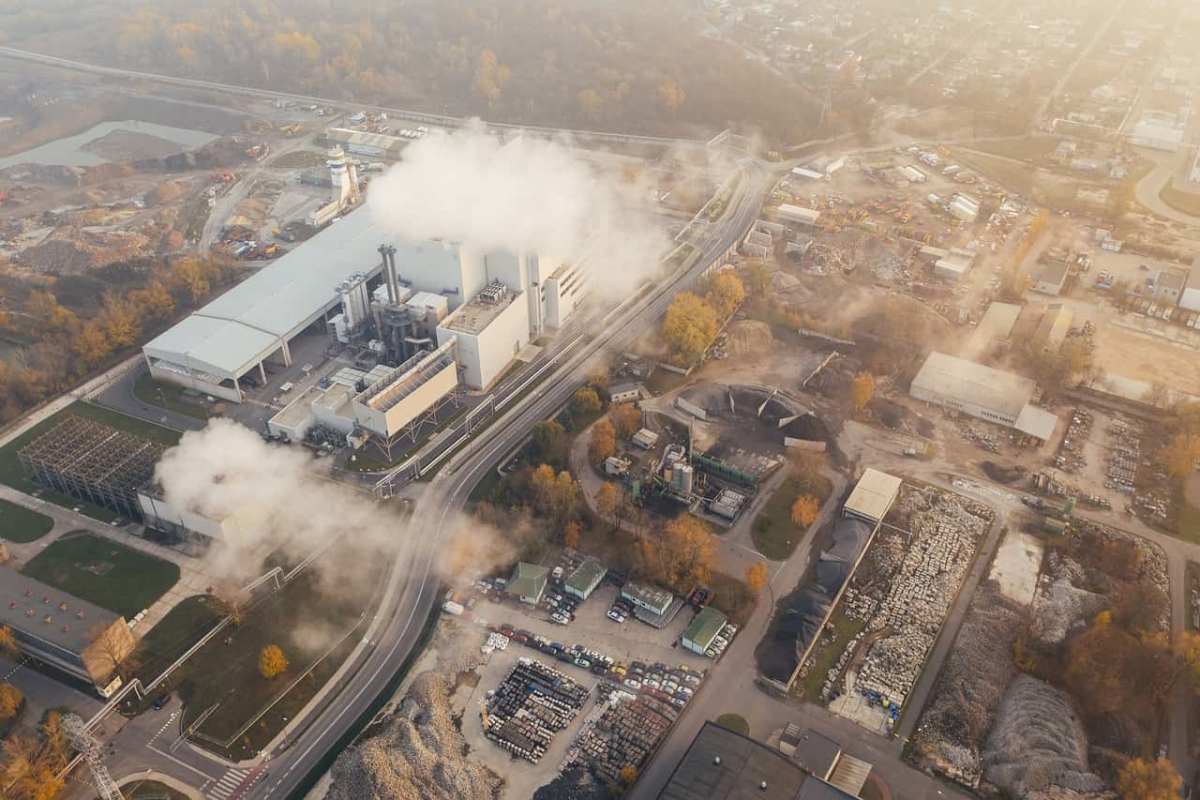
This not only promoted the use of the local currency but also turned the chain into an emissions trading fund. The regional businesses offset their own carbon emission footprints for the people. To put it simply, these eco-rewards are backed by businesses and are distributed to the citizens. Through this initiative, the region has successfully reduced over 12,800 tons of CO2 over the last four years, equivalent to taking 2,000 cars off the road.
Enforcing spending and restrictions
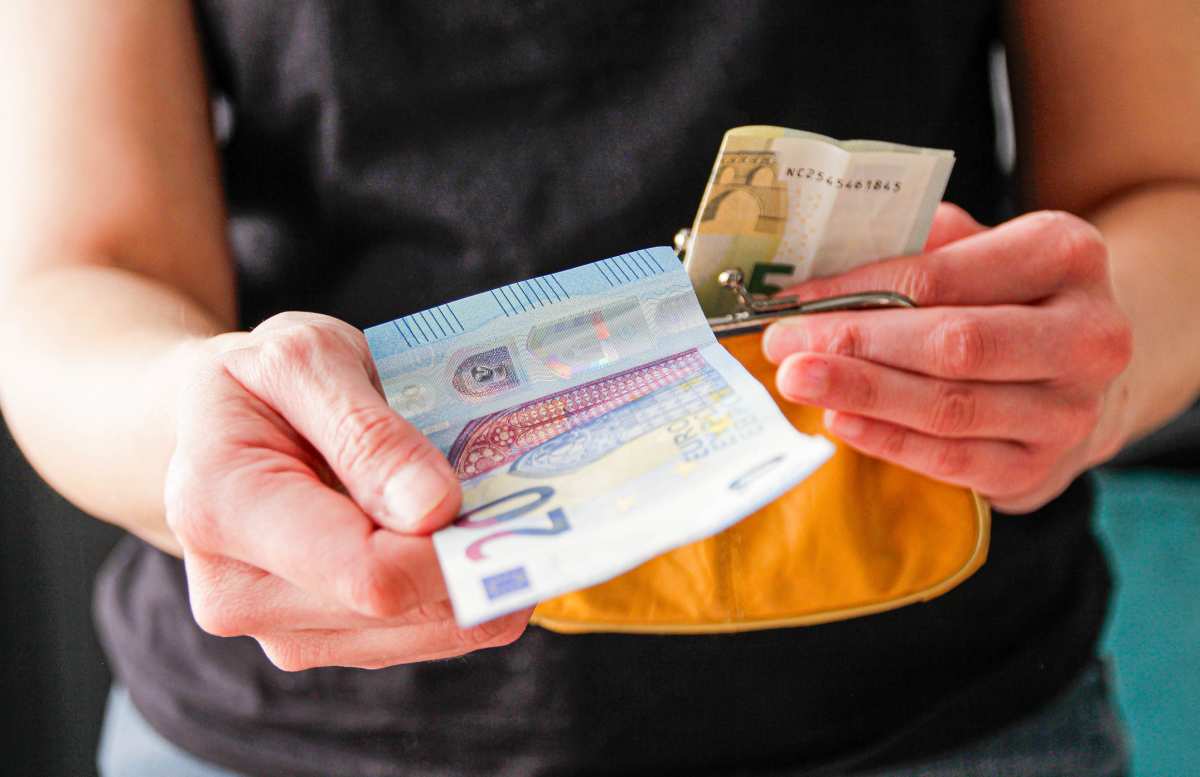
The change wouldn't have been possible without enforcing the Chimgauer. Gelleri stepped in so that people needed to buy stamps every six months to keep their currency valid, with the notes expiring after three years. While regular citizens aren't allowed to directly exchange them for euros, participating local businesses can do so by paying a 5% deduction fee, which funds the operational costs and supports local community associations. This is exactly why this has been such a huge success.
Measuring the impact
To date in 2026, the Chiemgauer ecosystem has grown from a mere classroom experiment to five million in transactions across 300 regional businesses and 4,200 active individuals. In fact, a long-term economic study revealed that the velocity of circulation of the Chiemgauer grew to be three times that of the Euro. This proves that the system enforced by capital hoarding forced rapid local spending. It has also been adopted in various other places, yet remains small because Germany doesn't allow anyone else to print legal tender.
It is crazy

Nonetheless, the people were left amused by the Chiemgauer. @aterray wrote, "Berlin’s local currency is called 'Pfand'—you just walk around the city and casually collect money like it’s a side quest." @jameswil15213 commented, "I love that it was a high school project that actually succeeded and is now in place to help local businesses."
More on Scoop Upworthy
Costa Rica's stunning and gradual reforestation since 1987 gives hope to the world
Nigerians are building game-changing earthquake-proof homes from plastic bottles
Japan to create first wooden satellites that burn up on re-entry so no space junk is created
 Share on Facebook


