Therapist saw ‘selfies’ calming her toddler’s bedtime tantrums. Then realized what he was asking for
Dr. Dickens, a perinatal psychologist and California mom, thought that her son’s bedtime wrangle was just another tantrum

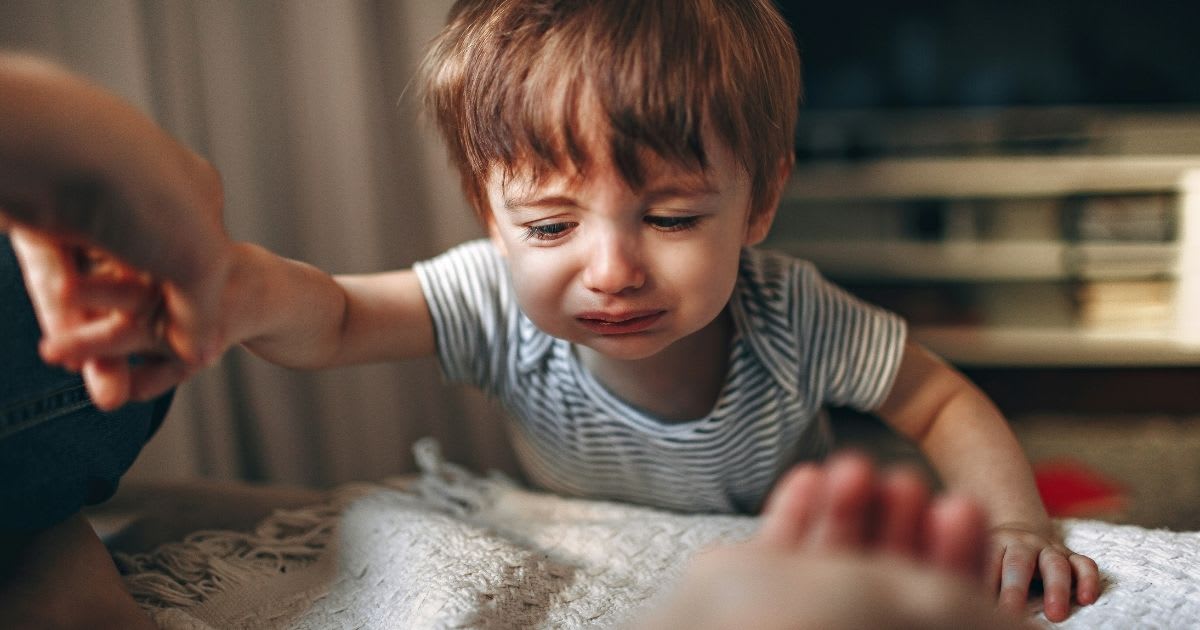
Despite being a therapist herself, Dr. Caroline Dickens (@drcarolinedickens) couldn’t do much for her 3-year-old son while he struggled with bedtime battles. Having firm bedtime boundaries in their family, she usually comforted him during sickness or bad dreams but chose not to stay in his room all night. But every time she would get up from her son’s bed, he would start tugging at her sleeve to stay. She tried everything, from paper hearts to stuffed toys, from sticker reward charts to cookies in breakfast. Nothing worked until she figured out what her son really needed: reassurance. In an August 10, 2026, post, she described a creative way she adopted to give her son this reassurance so he could have a restful sleep. TODAY reported on it further on September 15, 2026.
They are not tantrums
Earlier, Dr. Dickens, a perinatal psychologist and California mom, thought that her son’s bedtime wrangle was just another tantrum. After laying him down on the bed, she often got up to care for herself and spend some time with her partner, as she described in a September 15, 2026, report by TODAY. “He was just getting out of bed 100 times in a row, really begging for somebody to stay with him, negotiating. Just really working us at bedtime,” Dickens recalled, laughing.
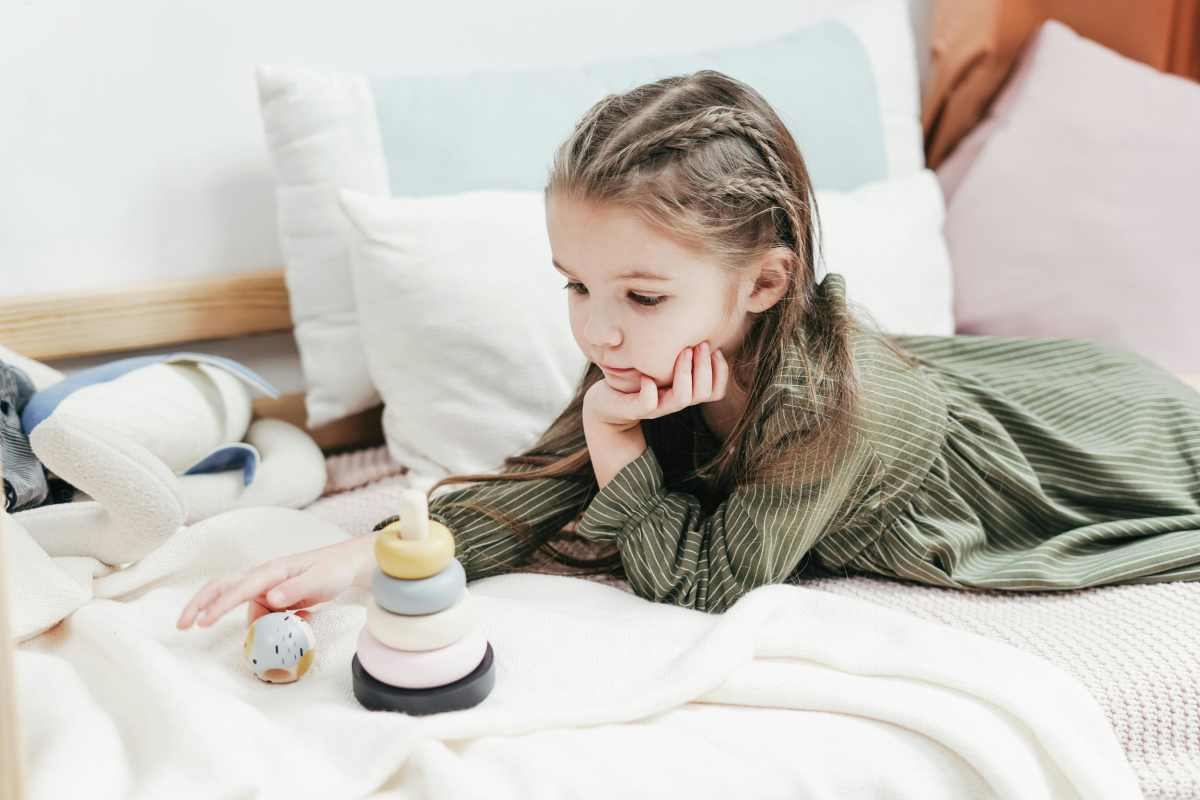
Nothing was working. Then on one random night, she snuggled next to him and snapped a selfie of the two of them together on her phone. It was a red-letter day. From a spontaneous act of creativity, it turned into a bedtime routine. “He just thought it was so funny the next morning,” Dr. Dickens described. “He just kept laughing and asking to see it again, and he got such a kick out of it.” It was easy, and every time her son begged to have a selfie, she agreed. Over the next few days, her son’s demands got “progressively sillier.” Oftentimes, he would ask her to make a funny face or kiss him in the picture. “It’s become a really fun, sweet little thing,” she exclaimed.
He needed 'reassurance'
The episode taught her something. Her son never needed her to stay by his bedside all night. Instead, he needed “reassurance” and selfies provided to him. “My theory is that having this concrete reminder that ‘I really’ do come back and check on him has made saying goodnight feel a tiny bit less scary,” Dr. Dickens said in the Instagram post.

Research supports the idea that anxiety can play a role in bedtime resistance. A study published in Early Child Development and Care involving 114 eight-month-old infants found that more frequent separation anxiety was associated with greater bedtime resistance. A 2024 Mott Poll of parents of children ages 1 to 6 also found that 23% said worry or anxiety sometimes kept their child from falling asleep, while 31% said their child insisted that a parent sleep in the room. For Dickens, the selfies became a simple way to give her son reassurance while still maintaining the family's bedtime boundaries.
'Needed this!'


The comments box of her post became flooded with remarks and praise from doctors, psychiatrists, sleep experts, and moms. The “selfie” idea is exactly what many of them recommended or needed. For instance, @thedublinsleepconsultant commented, “Absolutely love this idea! And you’re right, it’s all about following through. If we say we will come back to check, we always do.” @heysleepybaby said, “Absolutely love this! Recommend similar strategies to clients all the time!” @laurbrannon remarked, “Needed this!”
You can follow Dr. Caroline Dickens (@drcarolinedickens) on Instagram for parenting stories and medical content.
More on Scoop Upworthy
A parenting expert says there’s a reason kids suddenly ask so many questions at bedtime.
A neurodiversity coach explains why people with ADHD often delay their bedtime
 Share on Facebook


