Hiker in sweatpants breaks leg on Mount Shasta glacier. Teens help rescue him two nights later
'This was definitely one of the more challenging things I've ever done,' one of the rescuers, Charlie Pledger, noted

Climbing a mountain like California's Mount Shasta isn't a casual hike. In fact, treating it like one can be fatal within minutes. An unnamed 39-year-old Florida man learned that the hard way when he pushed for the 14,179-foot summit in just sweatpants, a hoodie, and running shoes. On his way down, bad GPS directions lured him onto Whitney Glacier. There he plunged through a snow bridge and snapped his leg. For the next two days, he was trapped in sub-zero winds. Relief finally arrived when U.S. Forest Service rangers and Marin County Search and Rescue, including several teenagers, reached him, as per a report by CBS News Sacramento on October 22, 2026. ABC7 also covered the story on October 24, 2026, gaining 4,200 views since.
Stranded on Whitney Glacier
The saga began when the 39-year-old man began his trek to the summit wearing only sweatpants, a hoodie, and running shoes. Although he was able to summit the fifth-tallest peak in California, it was only a matter of time before he ran into trouble. After reaching the peak at around 3:00 p.m. on Sunday, October 18, his GPS led him onto Whitney Glacier. At 12,600 feet, he fell through a snow bridge and severely injured his leg. Armed with just trekking poles and minimal food and water, it was clear that he wasn't equipped for an overnight stay on the glacier.
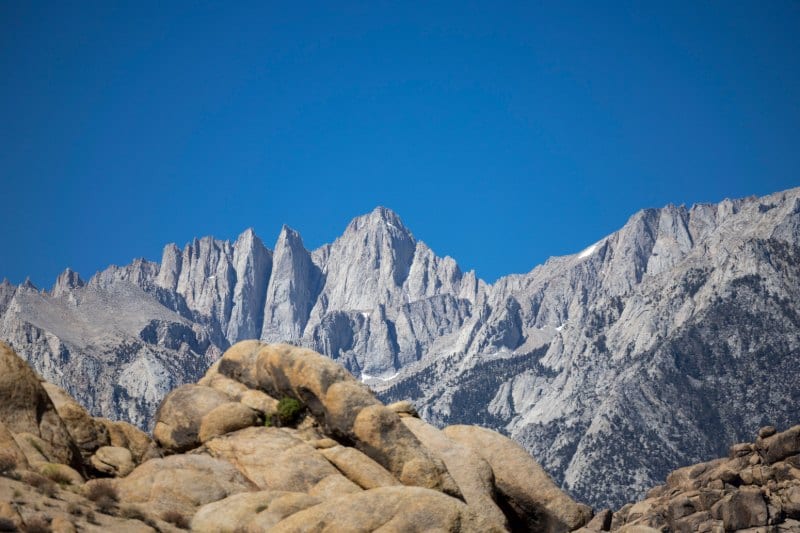
Rangers hold the line
Left with no other choice, the man dialed 911 at around 5:00 p.m. for help. Unfortunately, fierce winds and zero visibility kept rescue helicopters grounded all Sunday night. U.S. Forest Service climbing rangers finally hiked up to the man late Monday morning. As soon as the rangers located him, they treated him for his broken bones, early hypothermia, and frostbite. But that's all they could do, as violent storms cut off repeated airlift attempts. "The USFS Climbing Rangers had to then spend another harrowing night at 12,500 ft with the injured man," the Siskiyou County Sheriff’s Office reported.
Teen rescuers join the push
The next day, over 30 search-and-rescue specialists mobilized for a massive ground extraction. The team included three 17-year-old Marin County volunteers who left high school to help. "We were both at school when it came in, but it happens a lot. Stuff happens while we are at school," Cody Davis, one of the three teenagers, said. The rescuers noted that the sudden shift from sea level to high altitude was challenging. "This was definitely one of the more challenging things I've ever done," Charlie Pledger noted.
Cliff lower and airlift
Crews reached the site at around 1:30 p.m. on Tuesday. "When we got there, it was very clear that he was not going to; he was not likely to be able to survive another night on the mountain," Chief John Van Hooser said. The teens, including Jayne Wolk, bundled the fading man into a heat wrap. They splinted his leg and used rope systems to lower him past rockfall and 60 mph gales. At Shastina Peak, a California Highway Patrol helicopter swooped in during a quick weather break and flew him to safety.
Daily hikers get lost the most
As it turns out, these types of rescues aren't uncommon. According to a University of Kansas ScholarWorks repository, out of the thousands of incidents Search and Rescue teams help with in a year, daily hikers account for about 62% of those incidents. Out of these people, two-thirds are male hikers. Meanwhile, the biggest cause of getting lost is losing the trail, at 16.9%. This is followed by failure to communicate the plan effectively, with 11.7% of incidents happening because of it, and miscalculation of time or distance (9.4%).
Demand for permits


People, on the other hand, urged permits for trekking since a lot of such incidents keep repeating. Kevyn Miyata wrote, "Maybe the permits for these climbs need to have prerequisite experience and a check of gear when the permit is picked up." At the same time, Linda Jones suggested, "People who climb this mountain need to trek with another climber or party and also must have adequate foul weather clothing with them, water, and rations. These rescues are happening because climbers are not giving mt Shasta the respect it deserves; it can be very dangerous!"
More on Scoop Upworthy
After 911 failed five times, she asked Siri for the nearest Starbucks. It was her only way out
 Share on Facebook