'Father' ran out on surrogate after she delivered his twins. 20 months later, he wants them back
After caring for the kids since birth, surrogate mother Kyla Simpson is now fighting to keep them in the only home they've known

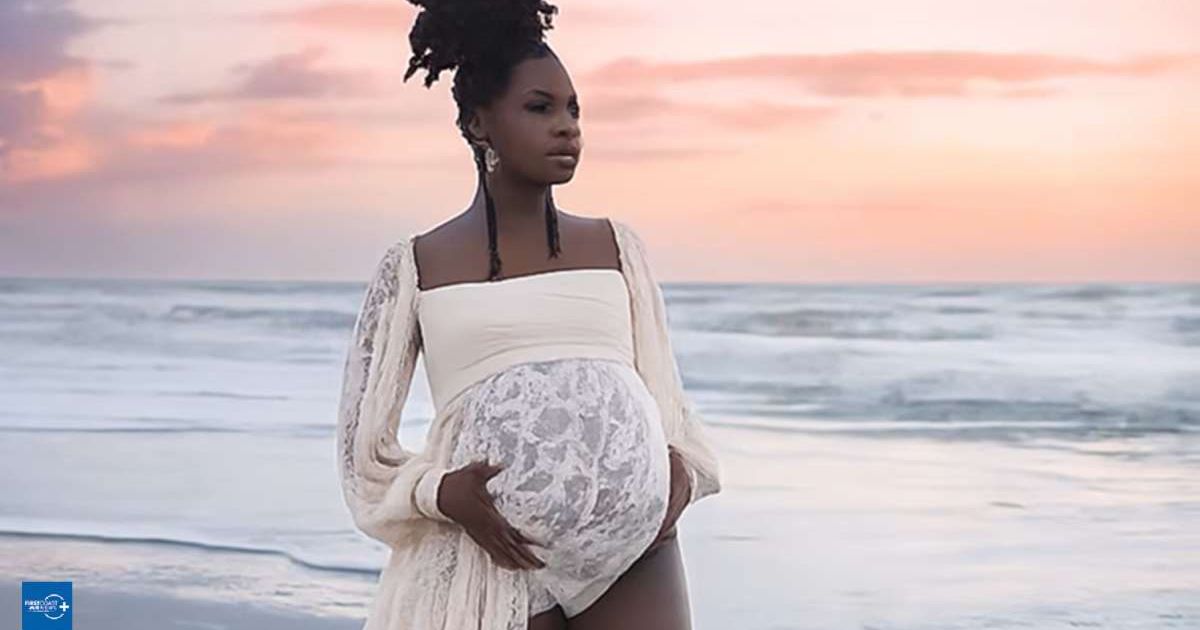
Most surrogate pregnancies end with the intended parents taking their newborn home soon after birth. When Kyla Simpson decided to carry a surrogate pregnancy, she didn’t have any interest in keeping the babies. However, long after the babies were born and the intended parent from China failed to pick them up, she is now asking the court to recognize her parental rights, named Samuel and Daniel. She believes that if he intended to pick up the babies, he had enough time. All the while, he left her calls unanswered and her pleas unheard; she breastfed the babies, changed their diapers, and mothered them all by herself. Now, as the babies approach their second birthdays, she is willing to fight to keep them, according to a July 16, 2026, report by First Coast News.
Raising someone else's babies
Simpson first got in touch with the intended parent, a single man from China, through a California agency. Around two years ago, the two signed a Gestational Surrogacy contract and a hospital birth plan. Dated October 31, 2024, the contract stated that she would have the “physical custody” of the babies on behalf of the intended parent in their absence. A month before the due delivery date, she gave birth to triplets at UF Health Jacksonville. For two months, the babies were kept in the NICU for physical strength and stability. When the time came for their discharge, the intended parent failed to arrive on time, with the excuse that he was trying to obtain a visa. And so, Simpson, along with her husband Lincoln, brought the babies home. It was January 2025.
A disputed pickup
Over the next few months, Simpson breastfed the babies, took them to doctor appointments, and called the intended parent throughout the day, not receiving a definitive answer. She even offered to fly to China to hand him the babies. Her mother said she’d accompany her on the trip. The man finally replied in March 2025, saying that he would send his agents to pick up the babies. Around the same time, Simpson saw two men in black rolling outside her house in their SUVs. She refused to give them the babies. “I don't feel comfortable doing all of these things,” she said.
The most unlikely battle
By August 2025, two of the three babies had survived while one passed away from a complicated respiratory infection (RSV). The intended parent didn’t contact her again until February 2026, when he hired an attorney to appeal for an emergency child pick-up order to take the boys from Simpson. The order was approved by a judge in St. Johns County. On the other side, Simpson hired a lawyer named Ellen Kaplan to prevent the boys’ pick-up. She also filed an appeal with Florida’s Fifth District Court of Appeals on July 14.
Under Florida law, intended parents in a gestational surrogacy arrangement are generally presumed to be the child's legal parents, according to assisted reproductive technology attorney Karen Persis, who was not involved in the case. However, Simpson has asked the court to terminate the intended parent's parental rights and allow her to adopt the boys after caring for them since birth. In her case, specifically, the First Coast News even reached out to the FBI, but the FBI hasn’t confirmed whether an investigation is underway. A 10-minute hearing has also been scheduled for the end of July in St. Johns County court.

According to the American Society for Reproductive Medicine, nearly 18,400 infants were born between 1999 and 2013 via gestational surrogacy, with 2% (233) being triplets. Persis further explained that cases like Simpson’s are rare and she hasn’t seen intended parents take this long to take custody of their child, even during the pandemic. For Simpsons, it’s over now, and she believes that the children should remain in the only home they have ever known. "You had a year and a half to do all that you needed to do, but to now rip them from everything they've known?" she asserted.
More on Scoop Upworthy
Cancer survivor comes up with clever way to feel her surrogate baby's kick: 'It's so magical'
Couple officially adopt their biological children after winning 2-year-long legal battle
 Share on Facebook


