Students thought their CPR teacher was ‘acting out’ heart attack symptoms — until they had to save his life
'You just know it when you see it,' said one of the EMS students at Fox Valley Technical College (FVTC)


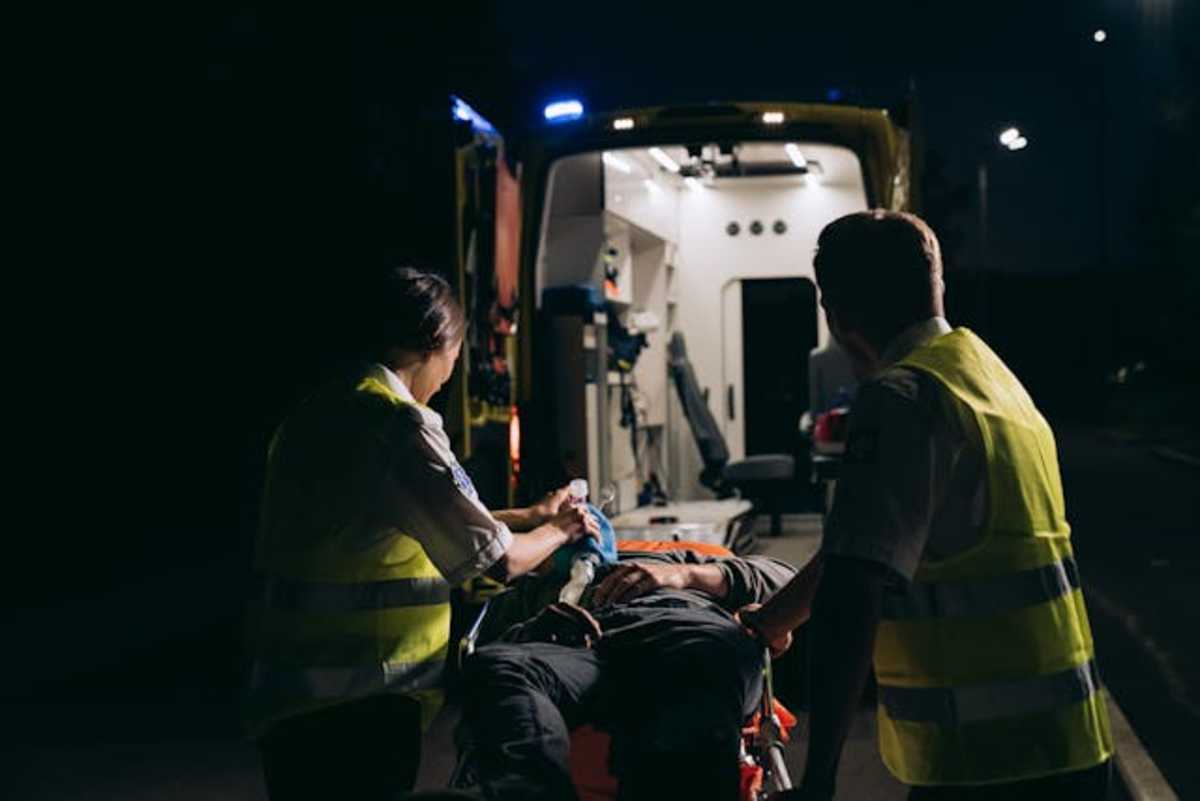
There are certain emergency life-saving skills everyone must learn, and this includes Cardiopulmonary Resuscitation (CPR). An incident at the Fox Valley Technical College (FVTC), reported by Fox11 News on May 2, is one perfect example. On March 25, a group of students in the EMT-Basic course was working on the back of an ambulance, practicing their CPR skills with their instructor, Karl Arps. They were running through a cardiac arrest scenario when Arps actually suffered a heart attack, and the students saved their instructor using the very skills he had taught them.
When they realized he wasn't acting
Logan Lehrer, one of the students working with Arps, thought that his instructor was acting out heart attack symptoms. He told the news outlet, "At the time, I was putting the cuff around him to get a blood pressure, and I saw his hand kind of turn in the middle of that, right as I did it, and then I heard snoring — like his breathing was snoring, respirations. And his head was turning to the opposite end, and I'm sort of thinking to myself, 'Dang, what symptom is he throwing at me now?'"
Traci Blondue, a fellow instructor, jumped in to check and was confused whether Arps was acting or not. "I still wasn't sure if it was an act or not. And then he did that agonal breath. You just know it when you see it," she said. Ben Marsh, another FVTC student, described the exact moment he realized it was not an act. "You can tell when someone's just screaming to get someone's attention and when it's important. And I heard Tracy's tone of voice, and I was like, 'Okay, what's going on?'" he said.
Jumped into action
As soon as the students realized Arps was having an actual heart attack, they jumped in to help. Sofie DeValt, another student, explained how they did it. "We got the backboard underneath him, and then we unbuckled him too, because we had him buckled. Got the backboard under him and then pulled him out and then got him on the ground." Once Arps was laid flat on the floor, they began to use CPR and a defibrillator to administer two shocks to Arps' heart. Thanks to their quick thinking and action, Arps started breathing normally and was conscious within five minutes.
Why is learning CPR important?
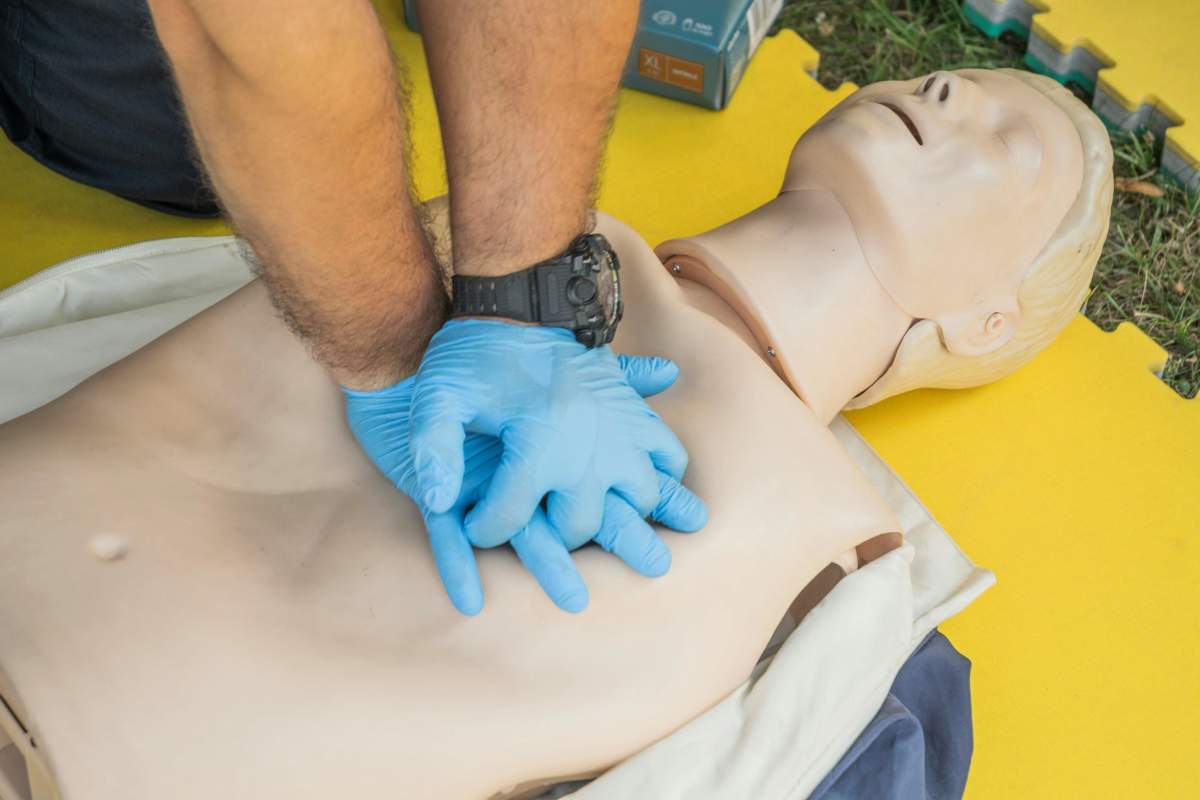
A study from the Children’s Hospital of Philadelphia (CHOP) revealed that states that include CPR training in schools have better rates of bystander CPR than those that don't have it in the curriculum. They even have statistics to back it up, 41.6% vs. 39.5%. Victoria L. Vetter, the lead author of the study, said, "Communities in the United States with higher rates of bystander CPR experience higher survival after cardiac arrest."
In the U.S., more than 23,000 children and 377,000 adults experience a cardiac arrest outside of the hospital every year. Only 11.3% of children and 10.5% of adults have the chance to survive. However, by including CPR training in high schools, students from a young age can learn this skill and help save several lives.
Later, Karl Arps spoke to the news outlet to describe how he felt a few moments after he regained consciousness. He said, "Once I got into Gold Cross Ambulance and they hooked me up to everything but the kitchen sink, I sat there and realized what had happened." He also expressed how proud he was of his students for saving his life, "Whatever you guys want to do, I know you can do it, after you just proved it, saving me. So, thank you again, all of the students." A month later, Arps was back on campus after a triple bypass surgery. He hopes to join the EMS shifts on the ambulance after three to four months.
More on Scoop Upworthy
Nurse saves man having heart attack at airport after noticing his 'snoring and breathing'
Teen's quick thinking when school bus driver lost consciousness after heart attack avoids disaster
 Share on Facebook