Japanese train station was on the brink of closing — until a feline stationmaster saved them
Within five years of her hiring, tourism had surged, the station had been remodeled, and employment had resumed.

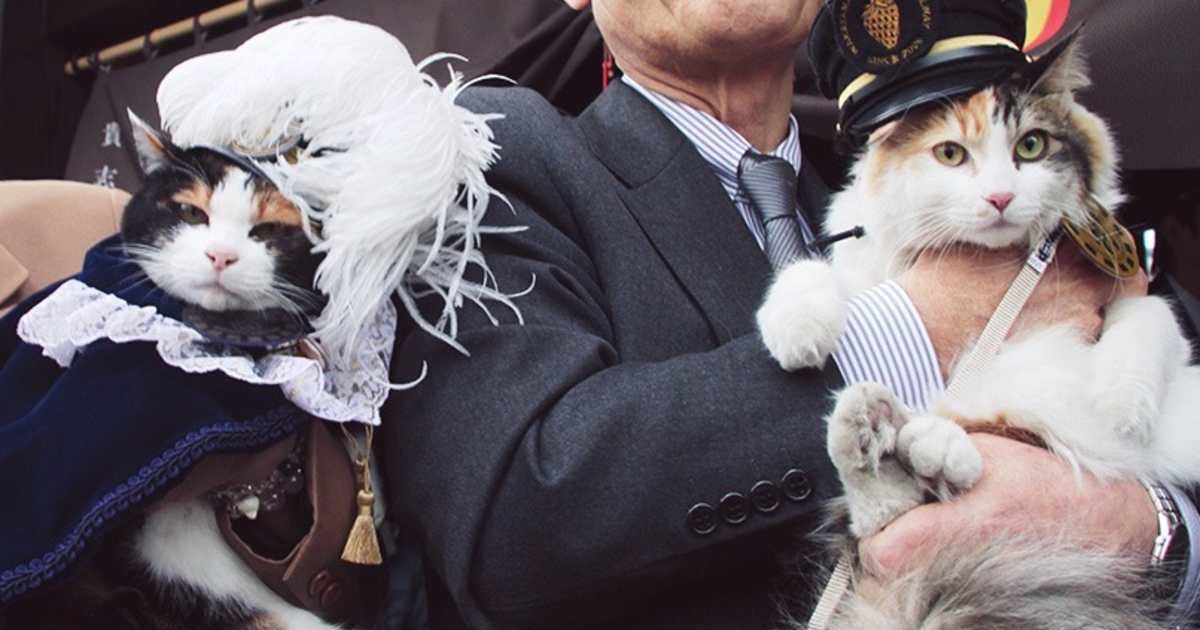
A small rural train station in Japan was facing closure in the mid-2000s after years of low ridership and financial strain. That was, until they decided to make a cat their stationmaster. What followed turned it into one of the country’s most unexpected tourism stories. According to the BBC, the Kishigawa railway line in Wakayama Prefecture was struggling so severely that its 14 stations became unstaffed in 2006, and the line was close to being abolished.
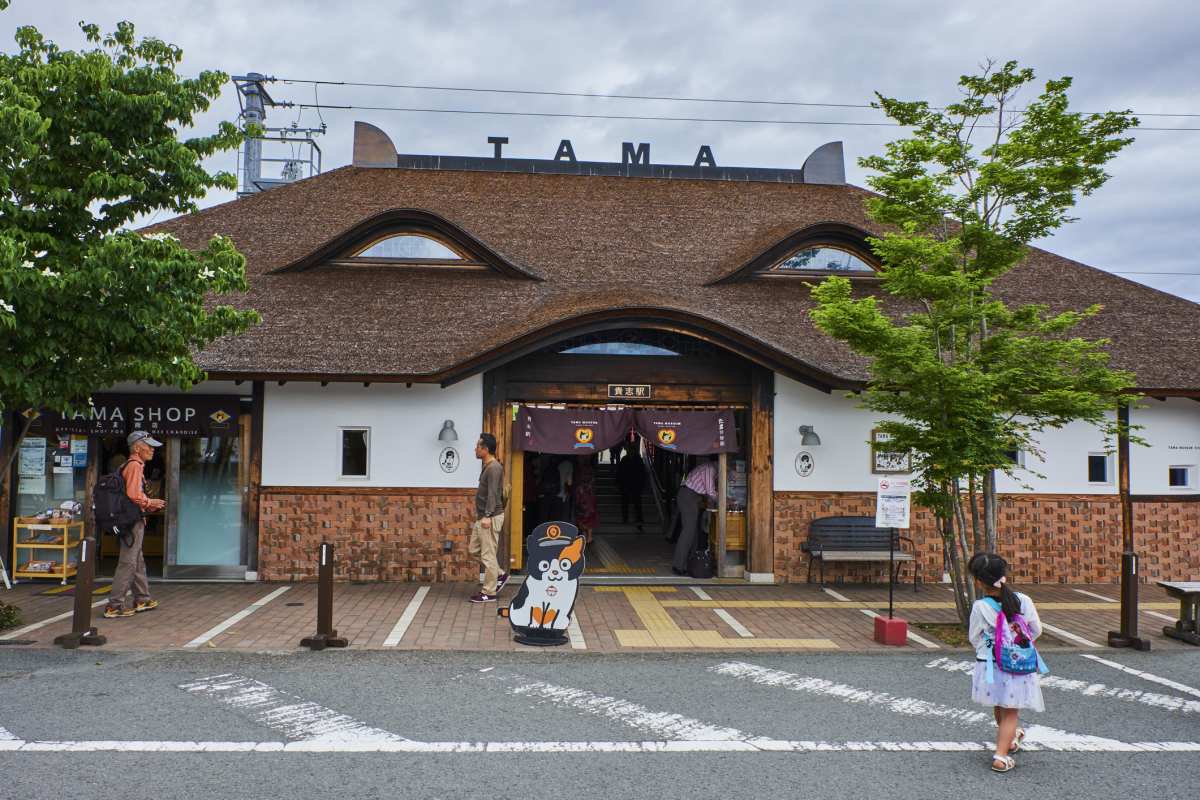
Around that time, an abandoned cat named Tama had already become a familiar presence near Kishi Station, the final stop on the 14.3-kilometer route connecting small communities to Wakayama City. She would often linger by the station and interact with commuters. When residents asked Wakayama Electric Railway president Mitsunobu Kojima to help revive the line after its previous owner announced it would close, he encountered Tama and made an unusual decision.
In January 2007, Tama was officially appointed "Stationmaster of Kishi Station," becoming Japan’s first feline stationmaster. She was given a customized conductor’s hat and a small office space converted from a ticket booth. One station worker later said, "Having her around the station makes everyone happy," adding with a grin, "I sometimes forget that she is my boss." Tama’s role was to greet passengers and appear in promotional materials, but her presence soon began attracting visitors beyond the regular commuter base. Tourists started traveling specifically to see the calico cat in uniform, take photos, and purchase Tama-branded souvenirs.
Animal Planet later featured Tama’s tenure, explaining that the line had been forced to lay off nearly all its workers before her appointment. Within five years of her hiring, tourism had surged, the station had been remodeled, and employment had resumed. Designer Eiji Mitooka was hired to redesign train exteriors and interiors with paw prints and cartoon images of Tama, creating what became known as the Tamaden line. A new station building shaped like a cat’s head was constructed in 2009, complete with roof "ears" and glowing window "eyes." When the train doors opened at stations, recorded meows played through the speakers. The tradition continued with additional feline stationmasters, including Yontama at Idakiso Station.
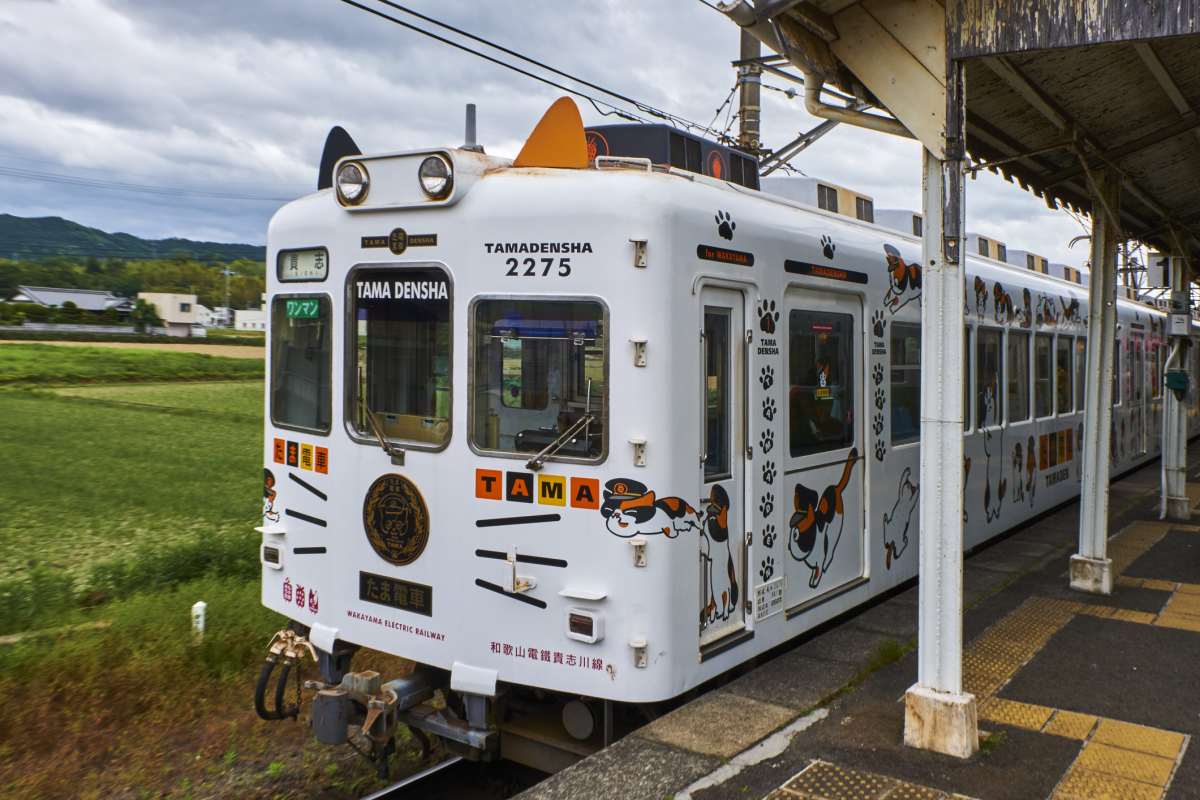
The BBC reports a 2008 study by Katsuhiro Miyamoto, professor at Kansai University’s School of Accountancy, quantified the cat's impact. The study estimated that Tama attracted approximately 55,000 additional passengers to the Kishigawa Line in 2007 alone. Over the course of her tenure from 2007 to 2015, she contributed roughly 1.1 billion yen to the local economy. Wakayama Electric Railway later reported that annual passenger numbers on the line increased by nearly 300,000 compared with pre-Tama levels.
Academic research suggests this kind of response isn’t unusual when a visibly cute character becomes the face of a destination. For instance, a 2023 study published in Tourism Management found that including a cute mascot in travel ads increased potential tourists’ travel intention compared with ads without one. In the study’s controlled experiments, participants exposed to tourism ads featuring a mascot reported higher intent to visit the destination than those shown non-mascot versions.
When Tama passed away in 2015 at age 16, her funeral was attended by approximately 3,000 mourners, reported CNN. She was later memorialized with a shrine and bronze statue near Kishi Station and elevated within the Shinto tradition as the "Honourable Eternal Station Master." Her passing left a vacancy that required careful handling. Kojima observed a traditional 50-day mourning period before appointing a successor. Nitama, who had served as Tama’s deputy and previously worked as stationmaster at Idakiso Station, was chosen for the role. "The reason I appointed Nitama as a successor to Tama is that she had teaching experience from Tama directly," Kojima said. He added that Tama was "very mild" but strict with her subordinate.
More on Scoop Upworthy
After 14 days trying to befriend a tiny spider, this YouTuber got a reaction few expected
 Share on Facebook