The strange origin of Chicago's 'mother-in-law' sandwich
The infamous 'heartburn' feeling that the sandwich gives has spurred bizarre definitions and nicknames among people

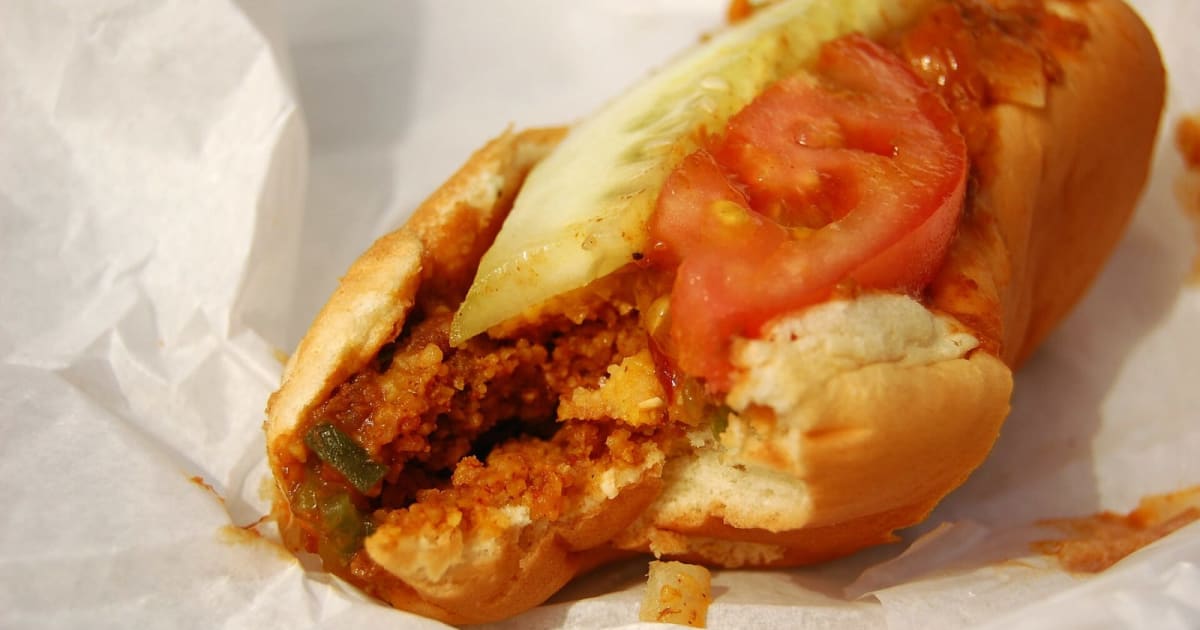
Chicago is home to plenty of unusual food combinations, but few have a name quite as memorable as the “mother-in-law sandwich.” The messy, gut-busting street food has been puzzling outsiders for decades, and the origin story behind this sandwich is even more bizarre. So far, whoever has tasted it has gotten a “fierce bite,” according to a report by NPR.
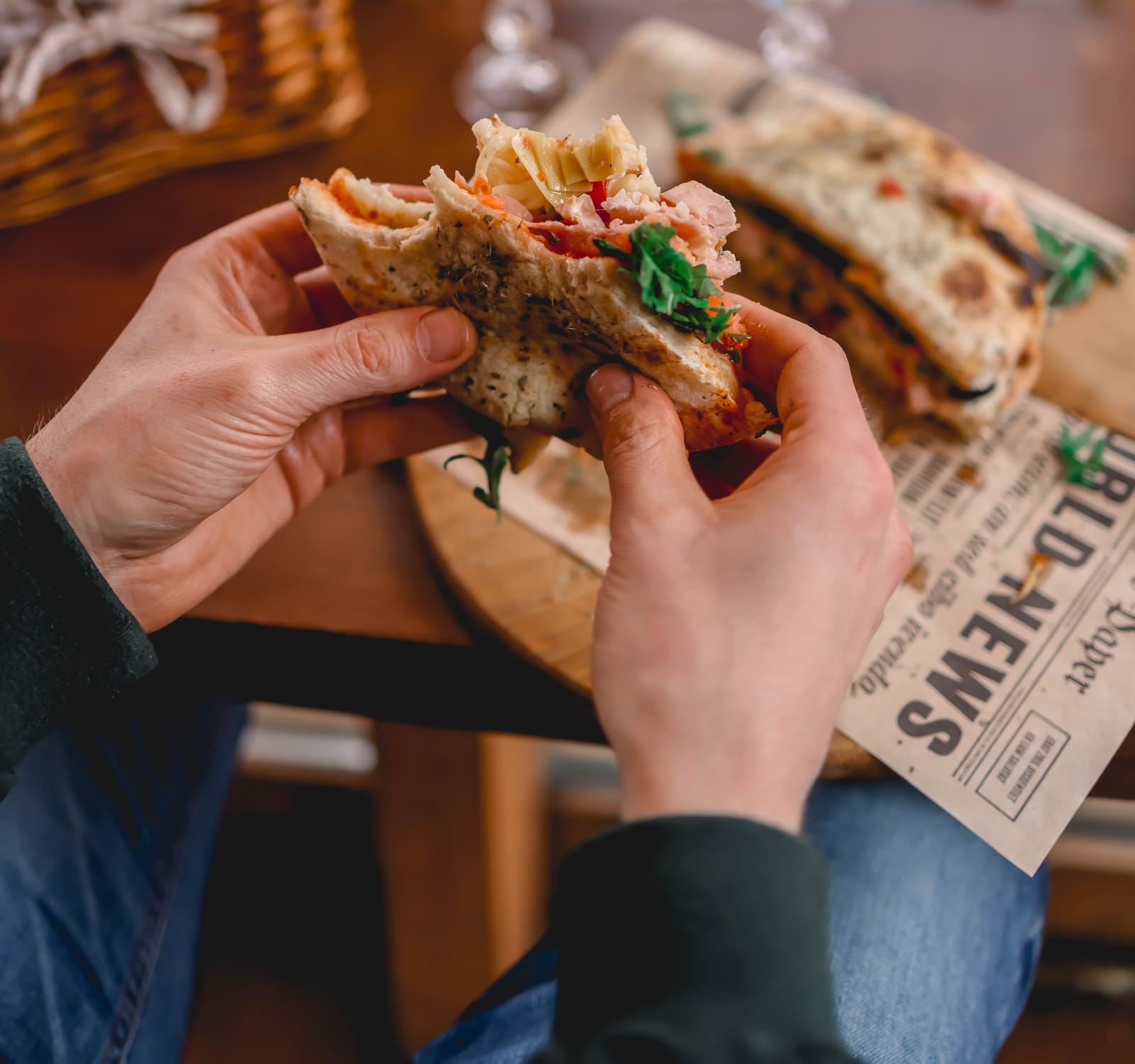
Fiery as a mother-in-law
The sandwich’s novelty comes primarily from the way the tamale is used. Instead of a sausage, a tamale is tucked inside a hot dog bun sprinkled with poppy or sesame seeds. It is then smothered in chili and topped with sport peppers and vivid blue-green relish. Inside, the tamale adds a soft, velvety blend of seasoned meat and cornmeal.
All the way from the south
What makes the sandwich especially interesting is the story behind its creation and how its roots traveled from the South to the North. During the Great Migration in the early 20th century, groups of Mexican immigrants arrived in the Southern US to harvest cotton, per Southern Foodways. The African-American field workers in the Mississippi Delta adopted the cornmeal tamales that they bought from the region. They swapped the traditional masa (corn dough) with local cornmeal blended with fiery spices like cayenne and cumin to create a unique Southern-style tamale.
Between the 1910s and 1920s, when these African-American folks moved to Northern industrial hubs like Chicago, they brought this treat along. Since Chicago already had a prevalent hot dog culture, vendors started mixing the hot dogs with these tamales, eventually leading to the creation of the "mother-in-law" sandwich.
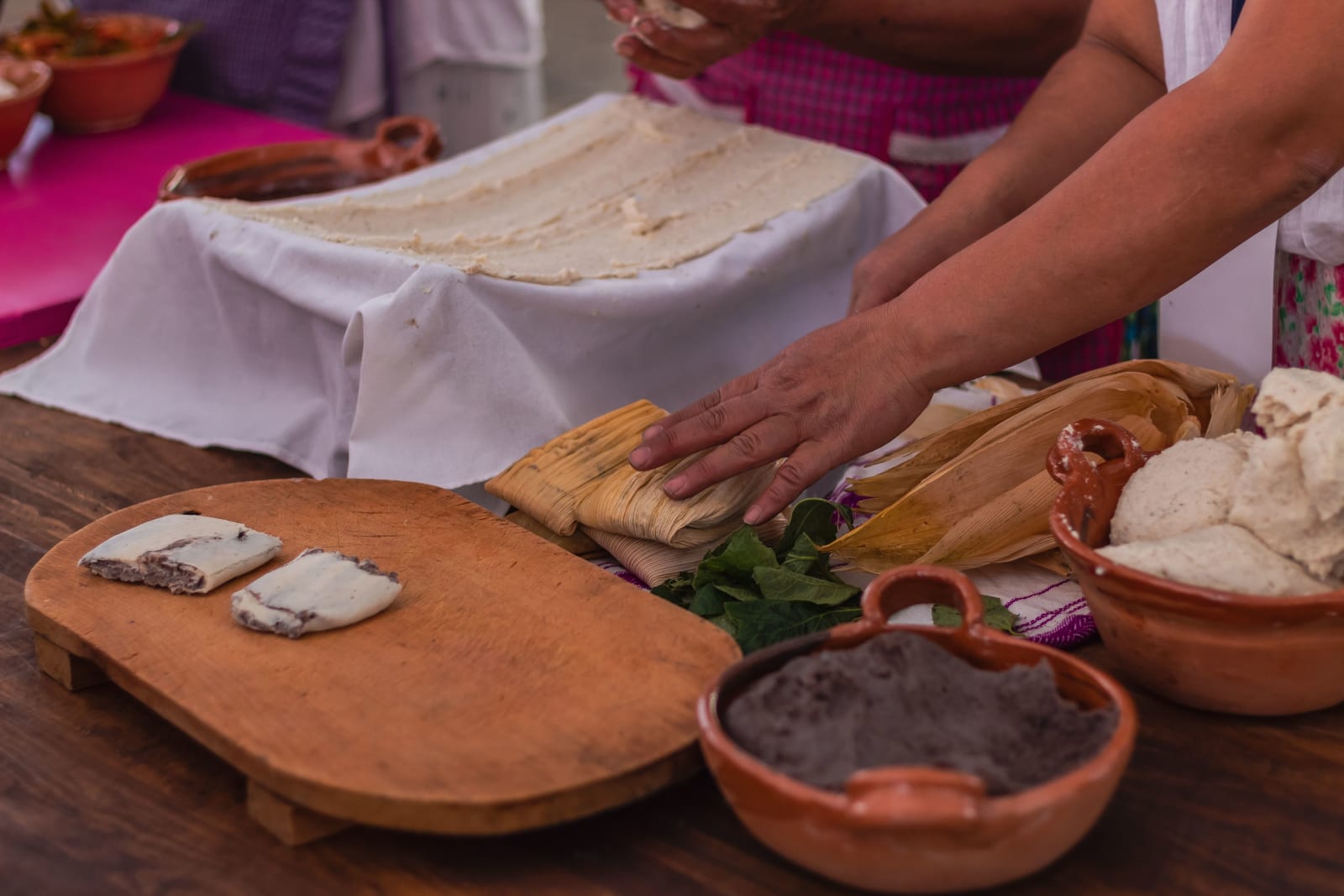
While there is no other sandwich like the mother-in-law, people have reported tasting similar sandwiches in Mexico City, where it’s called the “guajolota,” as a food vlogger shared in UChicago Magazine. There are also several variations of the original sandwich, for example, its bunless varieties, the tamale boat, and one smothered in melted cheese known as the “humdinger.”
Other origin theories
While most believe that Mexican immigrants introduced tamales to Chicago, some accounts suggest they arrived earlier, in May 1893, when Robert H. Putnam, founder of San Francisco’s California Chicken Tamale Co., brought them to the World’s Columbian Exposition, according to Salon.
Today, despite Chicago having more than 11,524 restaurants, this particular style of tamale is largely associated with the city’s South Side. According to the Chicago Tribune, most are produced by one of two manufacturers: Tom Tom or Supreme. Fat Johnnie’s is also one of only 10 places in the United States known to serve the "mother-in-law," according to Smithsonian Magazine.
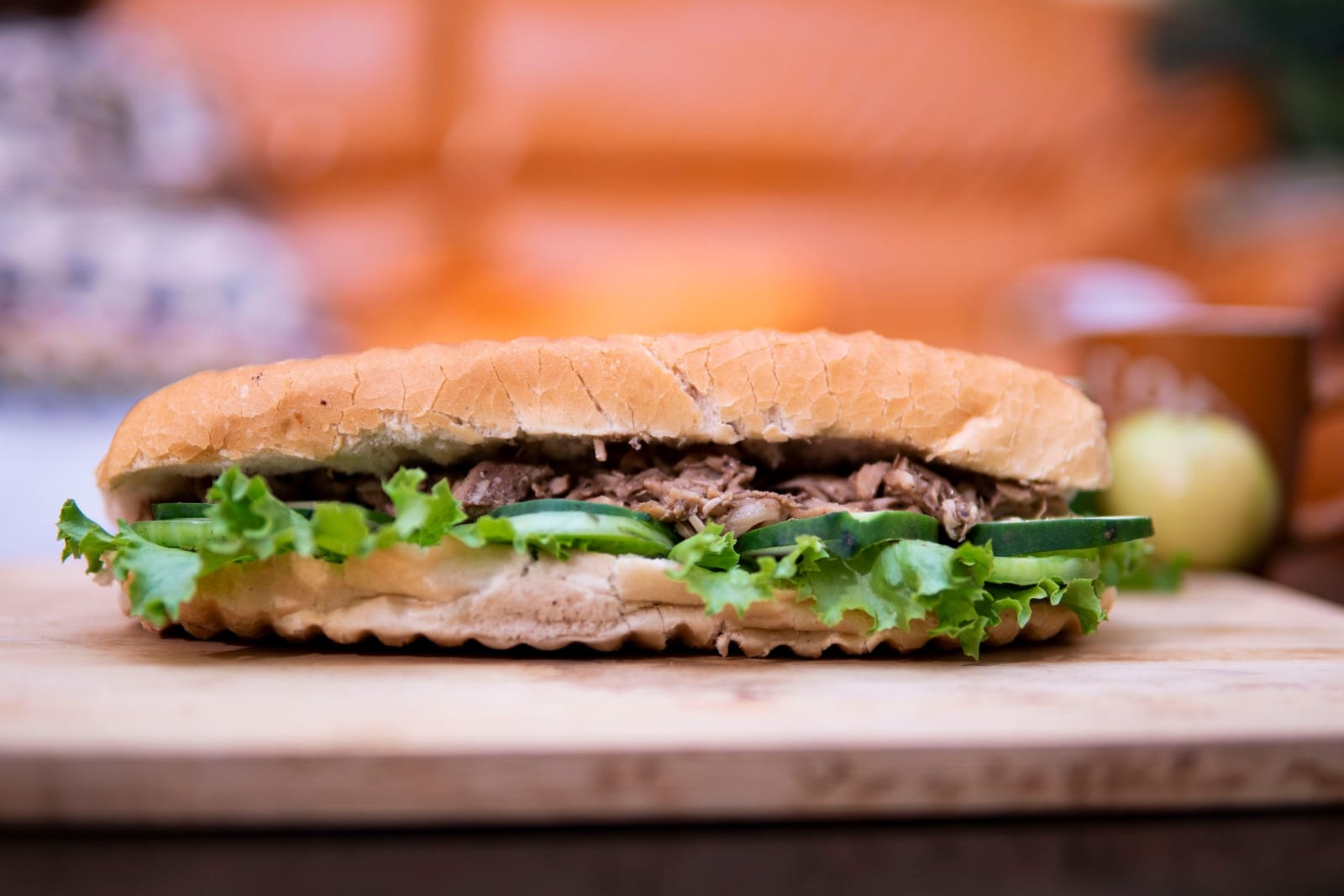
'Fierce bite just like a mother-in-law'
The infamous “heartburn” feeling that the sandwich gives, as well as the spicy cocktail of its ingredients, has spurred bizarre definitions and nicknames among people. For instance, NPR says that "it's got a fierce bite just like a mother-in-law." Chicago street food aficionado Peter Engler described it to Smithsonian Magazine, saying, "Both types of mother-in-law give you indigestion or heartburn." Anthony Bourdain called it the "evil stepbrother of the hot dog."
More on Scoop Upworthy
'Italian' restaurant broke a cardinal rule and added pineapple pizza to the menu but only for $120
 Share on Facebook


