A fake tip got CPS to take her son over an 'ignored' heart condition. Calling his school revealed 11 families had the same morning
Heather called out the validity of these anonymous reports because people could always file them out of malice or revenge

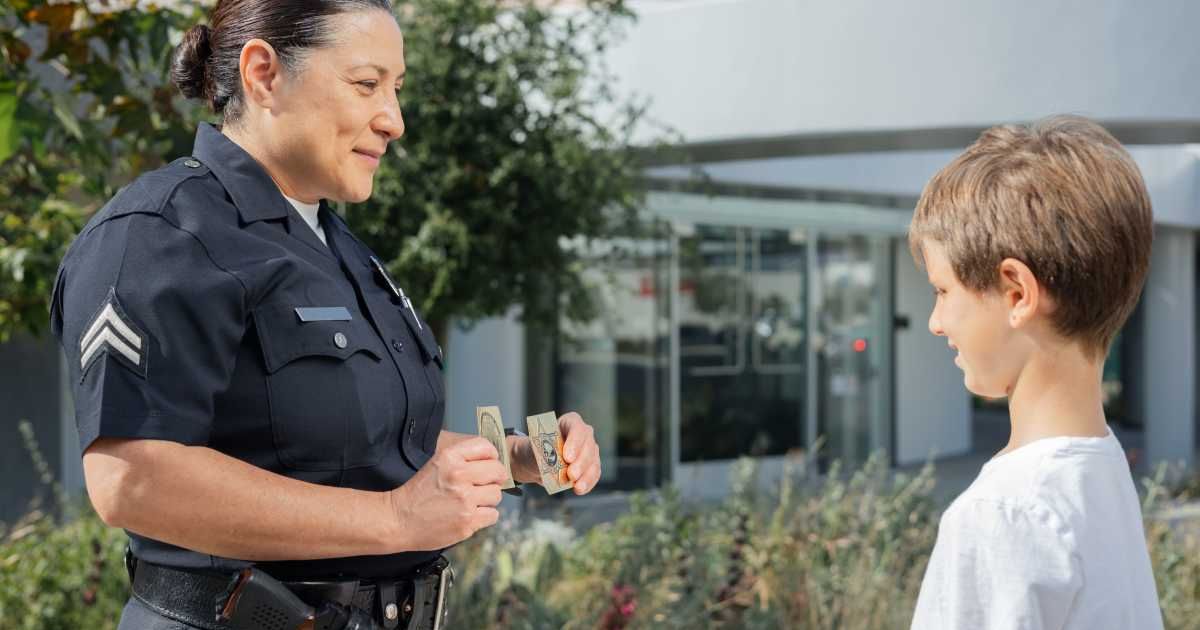
In June 2020, reporter and filmmaker Heather Osterman-Davis felt like she was dropped in the middle of a horror movie. A woman knocked at her house door and introduced herself as an officer of the Children’s Protective Services (CPS). Someone had complained that Davis and her partner were responsible for child abuse and neglect while the child suffered from a heart condition. In a July 1, 2026, report on Huffington News, she detailed the harrowing incident that pulled them into a rigmarole of months-long investigation, raising questions on the process of anonymous reporting.
Reporting or ruining?
When the CPS woman barged into her door, Davis tried to explain that she had been mistaken and the complaint was false. “Look,” she told her, “He has no heart problem. We take him to the doctor all the time.” As evidence, she shared the medical reports of her 8-year-old and 6-year-old, prepared by their primary doctors and neurologists. But the officer insisted that since the complaint existed, they needed to follow the investigation to the end.
For two long months, the mother grappled with the stress of the investigation. To worsen the circumstances, her daughter had recently fallen from the stairs while they were still under investigation. The girl got bruises down her neck and a black patch under the eye that made it look like someone had punched her. Davis was left in a dilemma. If she took the girl to the doctor, she could be reported to CPS, and if she didn’t, she could be reported for medical neglect. “It felt like either action could hurt our case and turn nothing into something. For years afterward, I’d have similar pangs of anxiety whenever something happened,” she recalled.
The terror of 'swatting'
A few weeks later, Davis got to know that she was not the only one who had been reported to CPS. About 11 other families of children from the same school as her kids had been reported. The charges included medical neglect, alleged drug use, murder, and even cannibalism. Her case was similar to Pete Buttigieg's, the former presidential candidate and Transportation Secretary. In a June 27, 2026, report on Substack, he revealed that an anonymous complaint against him led to a separation between him and his kids for 24 hours, an episode that left his family distraught and feeling unsafe. He described incidents like these by the term “swatting.”
According to Homeland Security, “swatting” is making malicious hoax calls to emergency services to falsely report an emergency to defame the target. Wallarm states that around 3,000 swatting incidents were reported in 2018, and the count has been increasing ever since. ProPublica revealed that more than 4,000 households in New York received CPS investigations as a result of anonymous calls. But 96% of these anonymous calls are deemed unsubstantiated after investigations.
Waste of official resources
The incident calls attention to the dark side of anonymous reporting. These reports not only waste the nation’s precious protective forces but also add trauma to families, as they remain in fear of the next unannounced visit. In conversation with CBS News, the Michigan State Police said, "False reports are dangerous and divert law enforcement officers and Child Protective Services workers from responding to legitimate emergencies and protecting vulnerable children and families.”
In the case of Davis, the suspicion of an anonymous reporter was later put on a disgruntled temporary employee who was terminated from the school. These calls were a form of revenge. “Anonymous reporting should not be part of that process,” said Davis.
More on Scoop Upworthy
Internet rallies around server who got fired after a customer gave false feedback about him
Atlanta mom says daughter's grade school is segregating Black students, files complaint
 Share on Facebook


