Shopkeeper shamed woman over a 'skipped' $6 beef ball bill and shared her photo in group chats. She posted proof she'd paid, then called police
'I don’t believe it. These days, people still dine and dash?' the shop owner wrote.

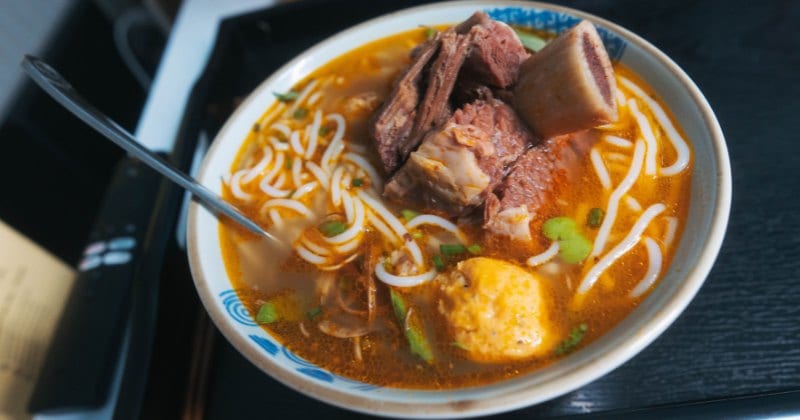
Most people might not even bat an eye at a $6 (¥42) dispute. On October 10, 2026, Miss Li stopped at a beef ball shop at the Huidong Fruit and Vegetable Wholesale Market in Guilin. She devoured a bowl of delicious beef ball soup, then scanned to pay. But then she realized her WeChat balance was low and cancelled the transaction. She switched to Alipay and paid $6 for the soup. She had already left when the WeChat speaker announced, "Payment canceled: 42 yuan ($6.31)." The shopkeeper heard the announcement, but did not ask Li about the payment or check his Alipay account. Instead, he took WeChat Moments to post about it. That was the beginning of a $150 public shaming ordeal, as reported by Vocal.
'Dine and dash?'
Li saw the post and did not think much of it. But when she saw videos of her face in the group, along with the accusation and several comments bashing her character, she defended herself. She posted a screenshot of her Alipay payment in the group. When the shopkeeper saw it, he apologized and wrote, "After all that, it was a misunderstanding. Very sorry." He also refunded the $6, but the damage was done.
15-day public apology
Li left the WeChat group and deleted the owner from her list. Three days later, she shared the incident on social media and contacted the police. She demanded the owner post and pin a public apology on WeChat Moments for 15 days. She also demanded a payment of $150 (¥1,000) for emotional distress. Now it was the shopkeeper's turn to defend himself. He said the footage was blurry and her face couldn't be seen. He said that he even apologized after the misunderstanding and refunded her. Li's post opened the floodgates, and strangers sent him rude and mean messages. Nonetheless, he was ready to cooperate with the officers to resolve the matter. Even though the $6 dispute was solved, Li was angry that her face was posted in a public group and her character was questioned.

Online embarrassment
Access to the internet and social media has made it easier for people to resort to public shaming. In a 2020 Pew Research Center survey, 31% of Americans revealed that they were called an offensive name online, and 26% reported that someone had tried to purposefully embarrass them online. The shop owner did not call Miss Li any offensive names, but he did write a Moments post about her and edited videos of her to embarrass her because he thought she was a dine-and-dash. He was wrong, and now he has to face the consequences of his online actions. For now, Miss Li is collecting evidence and preparing to go to court. The shop owner claimed that he is being cyberbullied after Li's post, but he was the one who started it by posting videos where her face was visible. The shop owner is still explaining his side of the story to the police.
More on Scoop Upworthy
 Share on Facebook