Isolated Scottish island still summons its ferry by giving this bizarre red signal
Need a ferry? Flip a board.


Sitting on the west coast of Scotland, fringing the edges of the Isle of Mull, is a 7.4-mile-long, 2.4-mile-wide piece of Viking heritage. The name is Ulva. Despite being one of the smallest inhabited islands in the Hebrides, Ulva Ferry is one of the best boats in Scotland, as @therossjess remarked, if not a bit unusual. The ferry carries a secret, and only those who have visited it know about it. As traveler Chris Lawlor (@chrispaullawlor) shared in a September 14, 2026 Instagram reel, the ferry can only be called through a red signal that is given via a wooden board and an attentive ferry master. The video has since garnered 2.9 million views.
Clue in the red color
Ferries in Ulva are different from most ferries in the world. As Lawlor described, there is only one way to call the ferry: slide the wooden board from white to reveal the red underneath. The red color signals attention to the ferry master, who crosses over to pick up the passenger. When the boat comes over, the passenger slides it back to white before hopping aboard for a 2-minute ride. The instructions, alongside wooden board guides, guide travelers through the entire process, and a card machine on the other side enables payment. The ferry runs from the 1st April to the 31st October, Monday to Friday, 9 am to 5:30 pm. And while the ferry operates on Sundays in summer months, in 2026, "this service is not running," mentions the official website, ULBHA.
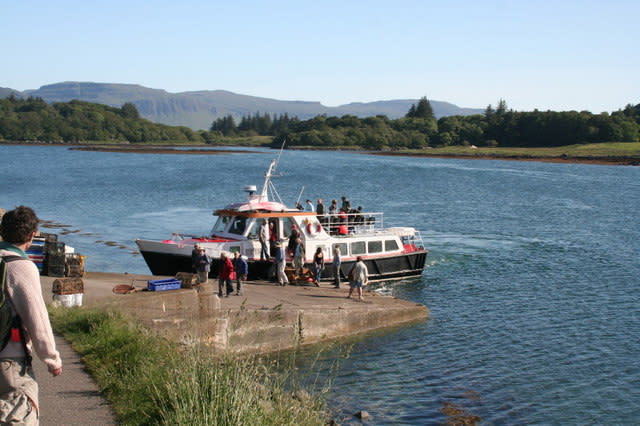
Packed with a pastiche of stunning sights
After getting off the ferry, the passengers are presented with a booklet of walking trails including one of Ulva's most recognizable sites: Sheila’s cottage, Livingstone’s cave, Ulva House rebuilt in 1955–56 after a fire destroyed the earlier house, a small island called Gometra, and the Ulva boathouse, probably the only place to eat. Ever since TV interior designer Banjo Beale and his husband Ro Christopher announced the renovation of a vacant mansion on the island of Ulva, the area has been thrust into the international spotlight. Their journey to restore the historic property is the focus of the BBC series Banjo & Ro’s Grand Island Hotel.
The estate is situated on the ancestral lands of the MacQuarrie clan — deeply connected to Lachlan MacQuarrie, the fifth governor of New South Wales. While the original 19th-century Regency mansion on the site was entirely destroyed by a fire in 1954, the couple is reviving the mid-century house built in its place. Known historically as Ulva House, the Category B-listed building is being converted into a boutique accommodation experience called The Grand Island Hotel.
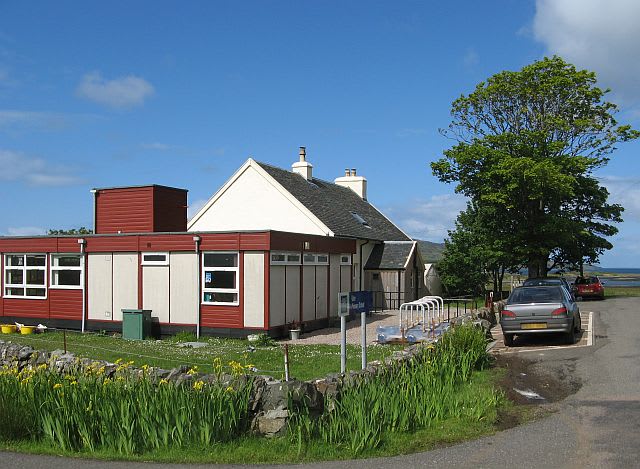
Even though Sundays are closed to tourists, the renovation has suddenly triggered a spike in Ulva’s tourism. Andy Primrose, who operates a small hostel on the island, said the influx of visitors is tremendously benefiting local businesses. "Around the Boathouse, where the ferry comes across, it's a lovely location and is always a focal point - there are more people than usual,” Primrose explained to the BBC.
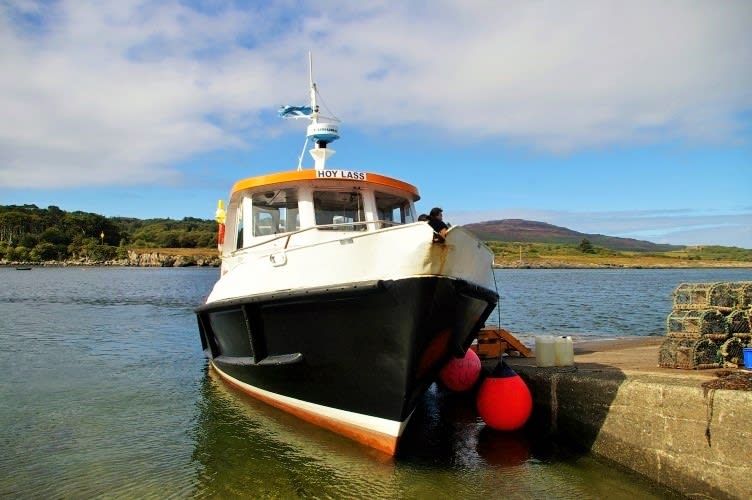
A glorious history
Just like Ulva Ferry, its history too is marked with glorious moments. For instance, according to Scotland’s Stories, Ulva has been entirely community-owned since 2018, first inhabited approximately 7,000 years ago. With a pastiche of stunning landscapes and waterscapes and Neolithic stone sculptures, the tiny island cradles roaming herds of Highland Cows. Once home to over 800 people, the secluded island now houses 5 to 17 residents, after a 2021 housing renovation programme.
More on Scoop Upworthy
Anthropologists think a human sub-species might still be alive on an Indonesian island
 Share on Facebook