Japanese astronomers recorded a massive solar storm 800 years ago and science just confirmed it
It expands the timeline scientists can study, helping them better understand patterns that were previously difficult to detect


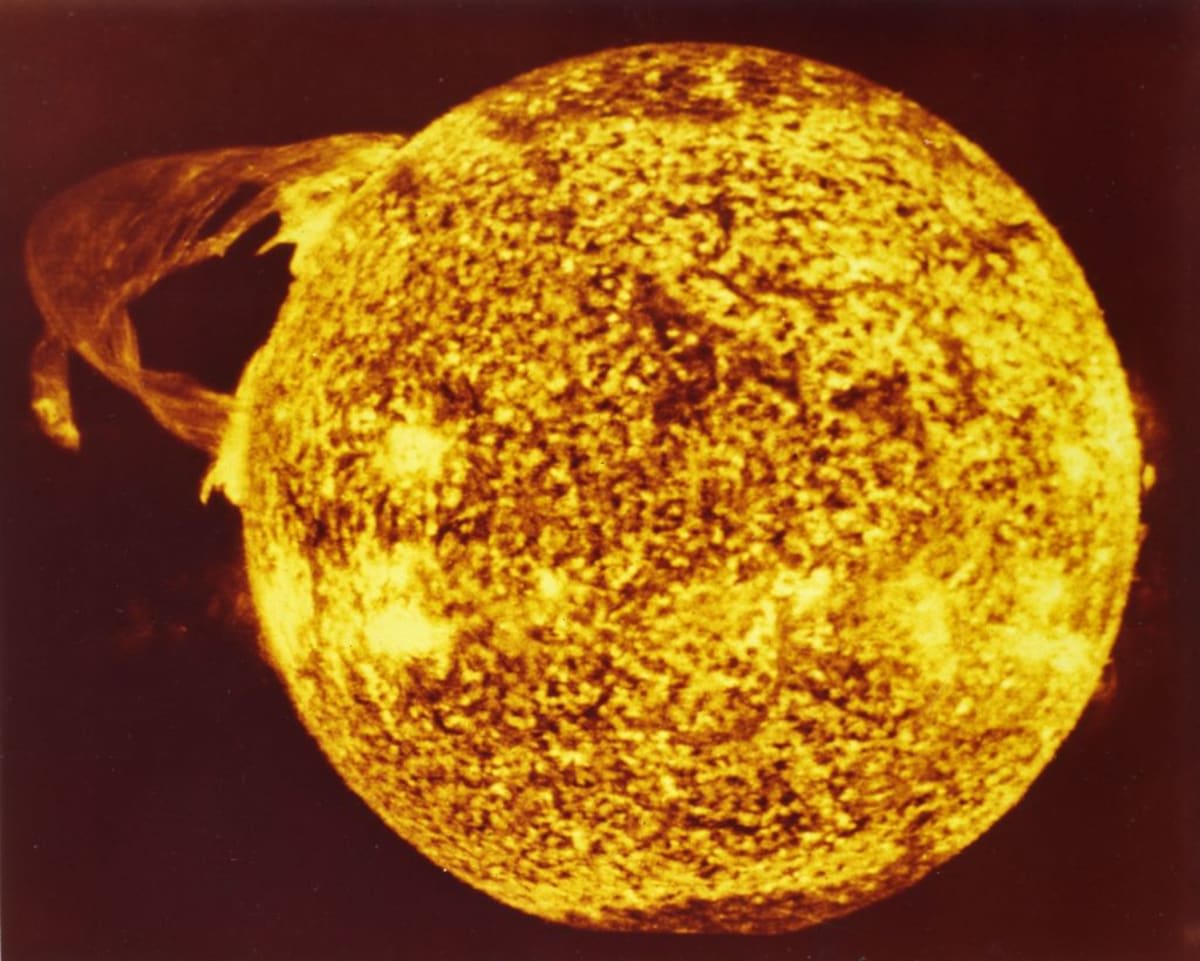
Who knew that ancient Japanese writings from 800 years ago could be used to understand space weather activity today? A new study published on April 11 in the Proceedings of the Japan Academy, Series B, is helping modern researchers understand solar activity and solar proton events (SPE) over the years, giving researchers a rare glimpse into patterns long before modern instruments existed.
Scientists in Japan are using texts from over 800 years ago to study solar proton events stronger than anything in modern history.
— Pubity (@pubity) April 12, 2026
They believe understanding red auroras from 1200-1205 could help prevent a powerful solar flare from frying all modern technology. pic.twitter.com/KkVbblnMmx
Understanding SPEs is critical, as they carry high radiation doses, can last for days, and pose serious risks to space travelers and technology. These ancient texts have allowed the Okinawa Institute of Science and Technology (OIST) to identify and track solar activity. This expands the timeline scientists can study, helping them better understand patterns that were previously difficult to detect.
There are studies done on SPEs, but most of them focus on the extremely powerful ones. According to Debrief, Professor Hiroko Miyahara from the OIST Solar-Terrestrial Environment and Climate Unit, and main author of the study, explained the focus of the paper, "Our paper provides a basis for detecting sub-extreme SPEs — events that occur more frequently and are around 10-30% of the size of the most extreme cases, but still hazardous. Sub-extreme SPEs are more challenging to detect, but our method now allows us to efficiently identify them and better understand the conditions under which they are more likely to occur."
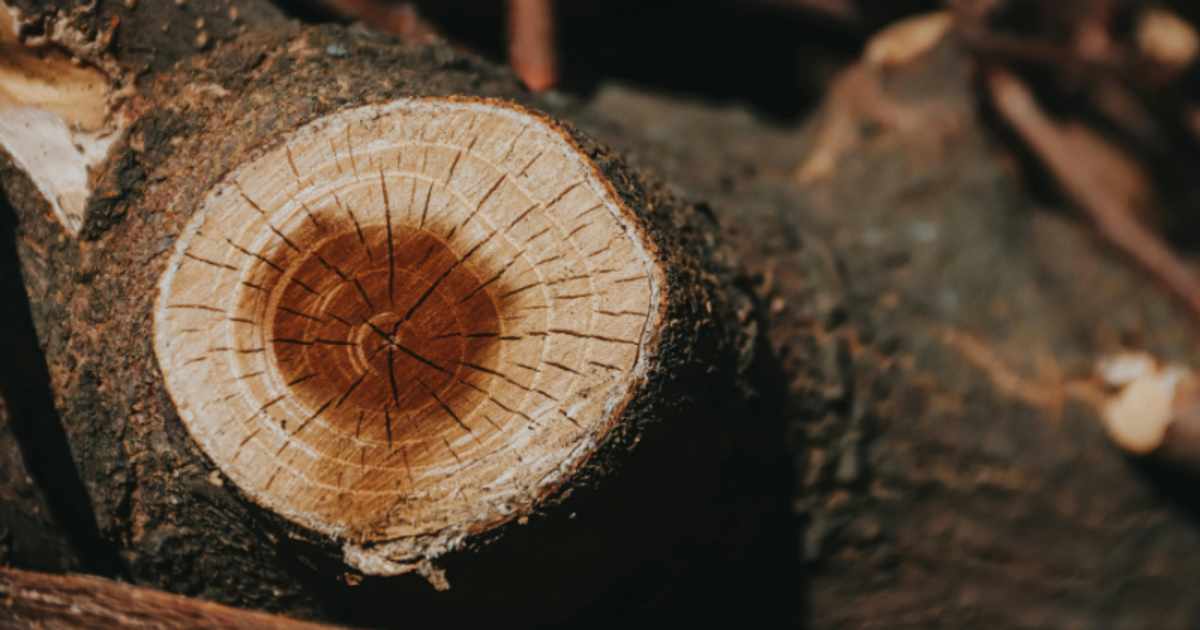
The method that Miyahara's team followed was to go through the ancient texts to find events similar to SPEs, and then confirm them using a carbon-14 measurement found in the buried asurano tree rings. Notably, carbon-14 compounds form when some of the SPEs pass through the Earth's magnetic field and interact with gases present in the atmosphere. These compounds preserved in organic materials help scientists study at least 10,000 years of solar activity.
Previous methods only studied high carbon-14 spikes, but Miyahara's team developed a more precise technique over more than a decade. They tested the method to study a wood sample from Aomori Prefecture, and just like they expected, there was a small rise in carbon-14, suggesting a smaller solar event. The researchers also studied the tree rings from the area and found that the SPE might have happened between late 1200 and early 1201 CE.
Professor Miyahara elaborated, "The high-precision data not only allowed us to accurately date sub-extreme solar proton events, but it also lets us clearly reconstruct the solar cycles of the period. Today, the Sun’s activity fluctuates over eleven-year-long cycles, but we’ve found that the cycle was just seven to eight years long back then, indicating a very active Sun." "Integrated approaches like these are necessary to accurately reconstruct past solar activity, helping us better understand the characteristics of extreme space weather," he concluded.
More on Scoop Upworthy
Photographer captures mesmerizing timelapse of a sun storm leaving the world awestruck
Scientists finally solve the mystery behind the first-ever 'polar rain' auroras on Earth
Sun approaching solar maximum in 2 years is causing worry and uncertainty among people
 Share on Facebook