Scientists dumped 1,500 Christmas trees into a lake. 3 years later, tiny animals had increased tenfold
The branches went underwater. Years later, researchers returned to see what had moved in.

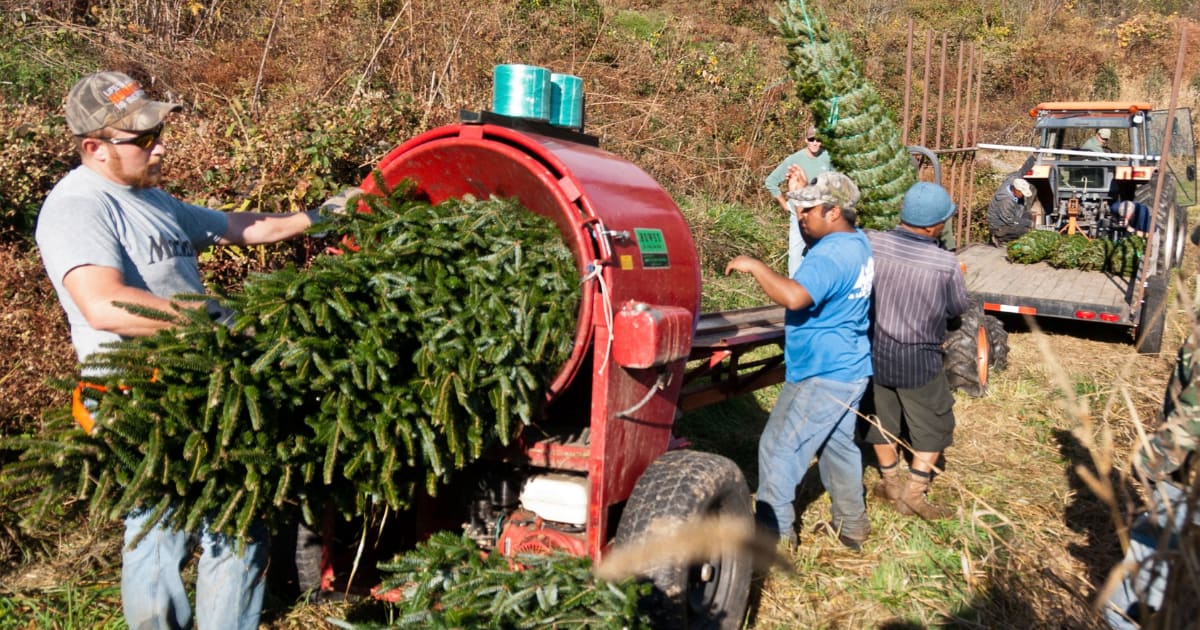
During the early months of 2021, scientists from the Finnish Environment Institute (SYKE) began a new study. Beginning in March 2021, researchers submerged donated Christmas trees in Lake Saimaa near Lappeenranta, Finland. Repeated additions brought the total to about 1,500 by early 2024. They wanted to analyze the impact of the trees on the water's ecosystem. Three years later, they pulled the trees out from the bottom of the lake and were pleasantly surprised by what they found, News.am reported.
Held down by bricks
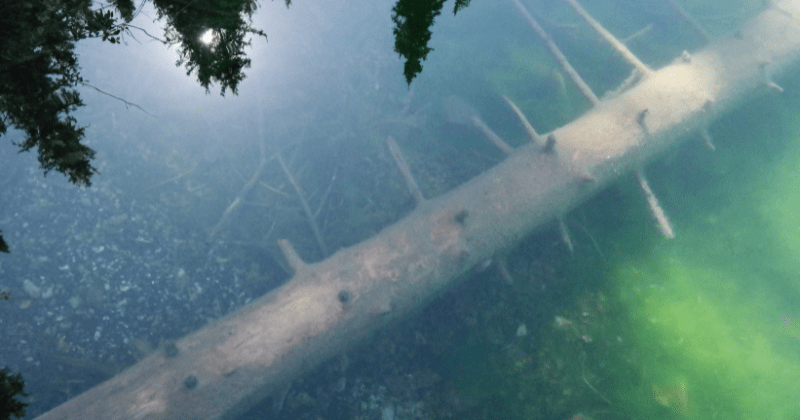
Finnish scientists did not just randomly dump 1,500 spruce trees into the lake. They grouped them into bunches of six to eight, and placed them at a depth of around 2 meters each. To stop them from floating back up, they used bricks as weights to keep the trees submerged, Sea and Job revealed. After three years had passed, they pulled the trees out to see if there were any differences before and after they placed them underwater. Kari-Matti Vuori, the lead scientist of the study, revealed that the benthic production in the areas where the trees were placed had increased.
Benthic animals
"Benthic" comes from the Greek word "bentos" or "benthos," which means "bottom." "Benthos refers to organisms that live on the seabed and the bottoms of rivers and lakes, including those found in sediments, rocky substrata, and coral reefs, extending from the deepest oceanic trenches to the intertidal zone," ScienceDirect explained. They took the "before" samples collected before they introduced the trees and compared them to the "after" samples. Vuori reported that bottom-dwelling animals had increased several tens of times in the areas containing the trees, while species diversity had risen as much as fivefold. It wasn't just the scientists who noticed the improvement in the water's health, but fishermen too. The fish population in the lake also grew, thanks to the introduction of the spruce trees.
Fish food
The experiment not only impacted the underwater ecosystem, but it also had benefits. The submerged branches acted as shelter for smaller organisms and allowed microorganisms and fungi to thrive around the decomposing wood. It was a habitat for several underwater creatures and became a part of the aquatic ecosystem. The microorganisms and fungi, in turn, become fish food. Lastly, News.am said that the trees acted as natural "carbon sinks." They help to reduce carbon dioxide levels in the Earth's atmosphere.
However, just because Finnish scientists threw their Christmas trees into a lake and saw positive effects on the aquatic ecosystem does not mean everyone should do it too. The study was done by experts, and the trees were submerged in a controlled environment. The experts kept a close watch on the trees and the water, monitoring the changes and the effects it had on the ecosystem.
More on Scoop Upworthy
Scientists have a strange new way to forecast hurricanes: sharks
 Share on Facebook


