Scientists have a strange new way to forecast hurricanes: sharks
Researchers from the University of Delaware are testing an unconventional way to improve hurricane forecasts

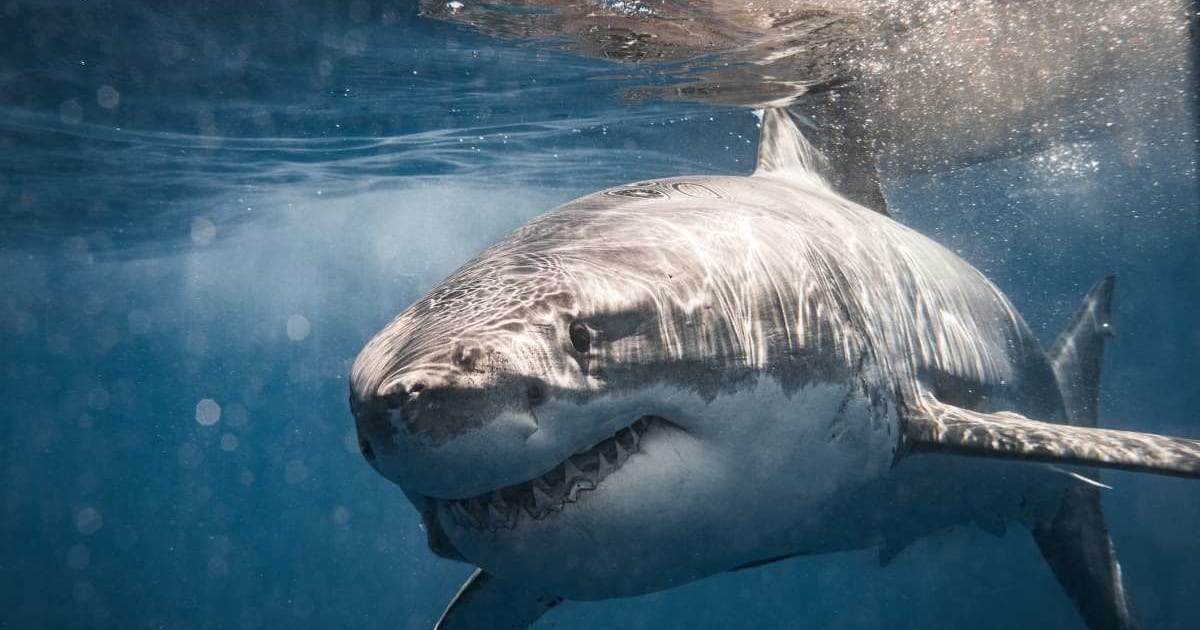
Rather than relying solely on expensive oceanographic vessels and other conventional monitoring methods, scientists have partnered with an unlikely ally to improve hurricane predictions. And they are none other than sharks. Researchers from the University of Delaware are using them to help predict hurricane intensity as storms approach the East Coast. They are doing so with a specialized tag, which collects data and sends it to them, as reported by Fox Weather (@Foxweather) on June 3, 2026 in a video viewed by over 3,200 people.
Turning sharks into sensors
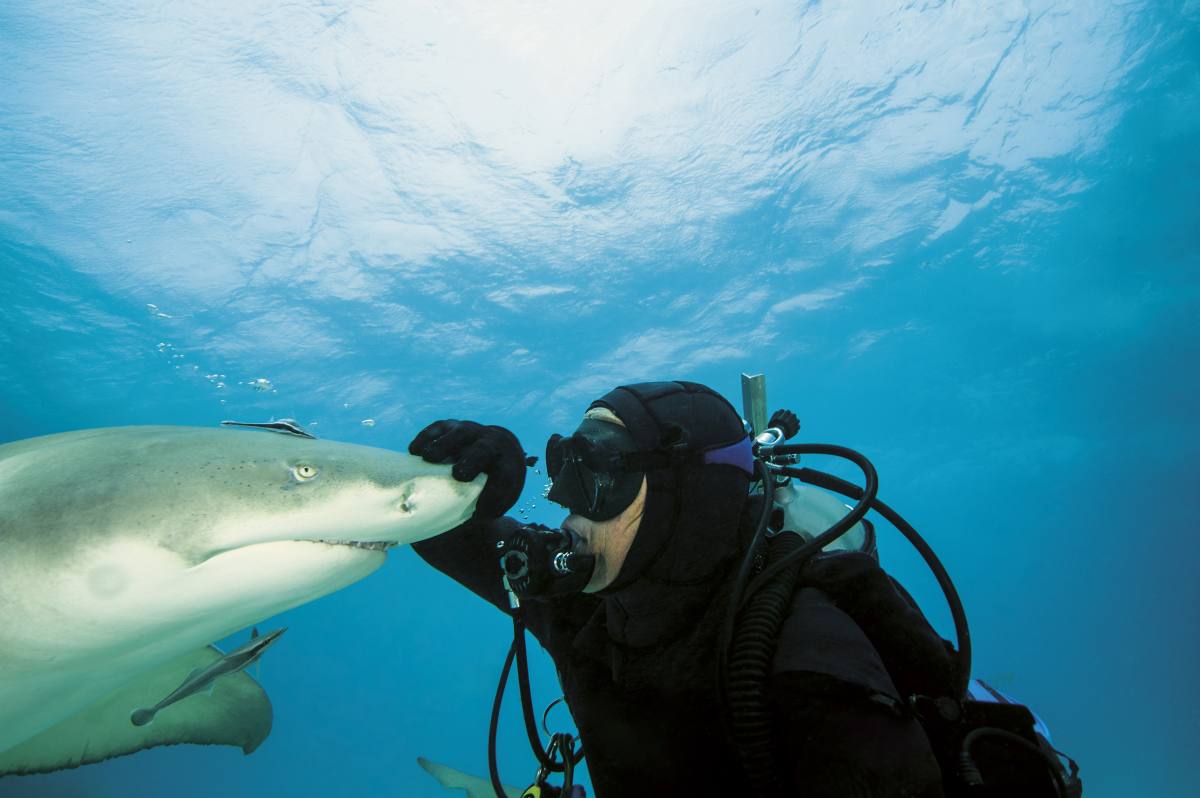
The process begins directly in the water, where marine scientists actively capture fish. They then attach specialized telemetry devices to the fish's dorsal fin. These small devices then measure the ocean's electrical conductivity, along with its depth and temperature. So, every time the fish swims to the surface, the tag can communicate and transmit the data to the orbiting network of satellite receivers. That's why the researchers chose species such as shortfin mako sharks, blue sharks, smooth hammerheads, and juvenile great white sharks. These species tend to come to the surface more frequently, allowing their tags to transmit the collected data to satellites.
Redesigning technology
Nonetheless, implementing this approach wasn't easy. On the contrary, Aaron Carlisle, a UD marine scientist who is also leading this research, reported that there were no tags explicitly designed for sharks. Before this, most of the tagging was done on other animals such as elephant seals or sea turtles, both of which breathe air. Unlike these animals, sharks do not need to reach the surface to breathe. So, the researchers had to find shark species that naturally swim close enough to the surface for their tags to transmit the collected data to satellites.

Capturing the ocean heat
The central motivation of conducting this research is to measure the thermal energy locked beneath the waves. That is because it is the primary driver behind the sudden hurricane intensification. "This is the part of the water column that really drives hurricane intensity — warmer mixed layer equals stronger hurricane — as it holds the heat that feeds hurricanes," Carlisle said. So, as sharks swim through the ocean, they are perhaps the best vessels to record thermal profiles across key depth zones. Then that data can be used to cover voids standard satellites or vessels cannot cover.

Could save billions of dollars
If successful, Carlisle and his team could help the United States save a lot of money. That is because, according to the National Centers for Environmental Information, the country has faced a striking 403 climate and weather disasters from 1980 to 2024. Moreover, these disasters have caused the country more than $2.915 trillion in losses. In fact, in 2024 alone, the country was hit by 27 such calamities, each of which ended up costing more than a billion dollars to the U.S.
Cautious testing
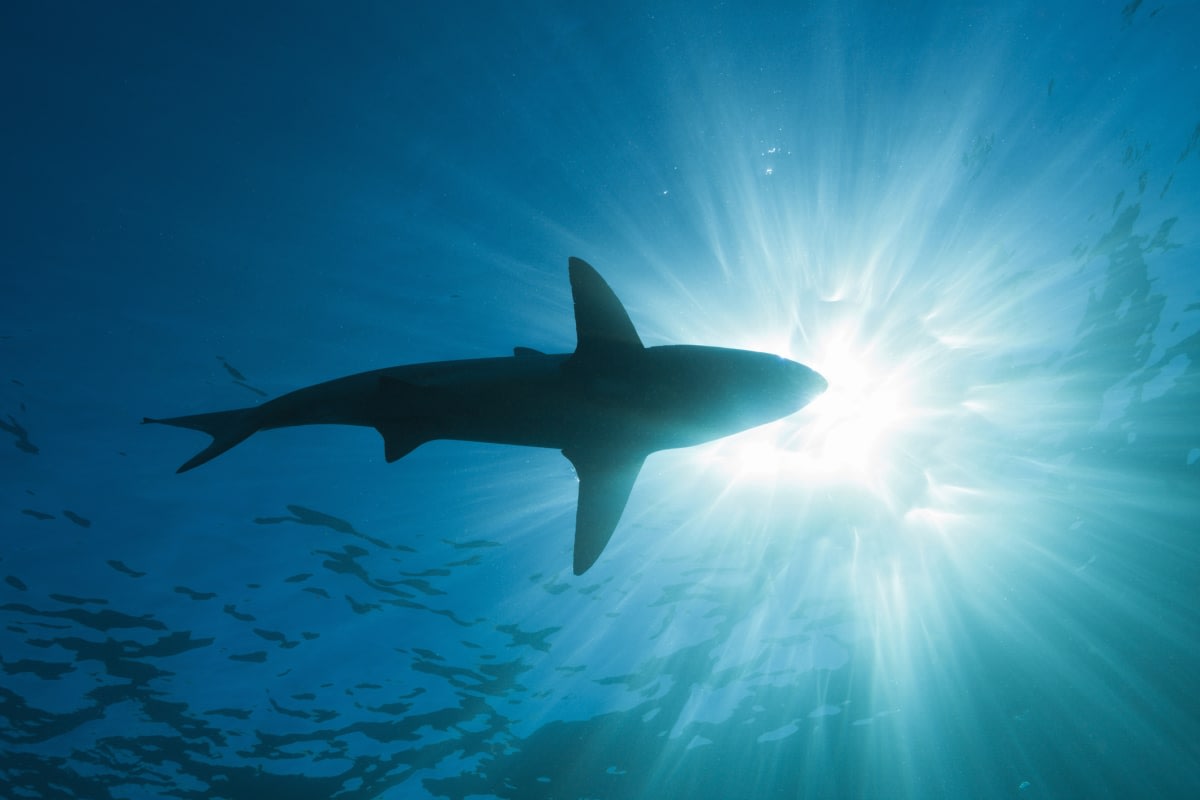
However, despite that, instead of releasing hundreds of tracker sharks into the ocean right away, Carlisle and his team are taking a cautious approach. Having deployed around 8 to 10 sharks, they are assessing them meticulously and making much-needed refinements. It is only once they are satisfied with the small-scale results that they plan to launch a global experiment. Regardless, this study goes beyond just predicting natural disasters and also helps researchers find out how these apex predators react to such natural calamities, as well as the impact of humans on these fish.
More on Scoop Upworthy
Scientist terrified as whale tossed her from water but then realized it was saving her from a shark
DNA taken from 13000-year-old tooth brings back 'Dire Wolves'— the first ever 'de-extinction'
 Share on Facebook


