The brain speaks a secret language scientists are only now beginning to understand
The discovery will help scientists determine root causes for Alzheimer's, Schizophrenia, and more.


The neurotransmission of messages through thousands of input signals has always amazed mankind. After a long period of research, scientists have now cracked the "secret language" to understand how neurons "talk" to each other by sending fire-like pulses down their axons. According to a paper in Nature Methods, scientists have been able to develop a protein that can record these chemical messages that release neurotransmitter glutamate. Moreover, this discovery will give scientists the answer to find the root cause of diseases such as Alzheimer's, Schizophrenia, Autism, Epilepsy, and more, as reported by Science Direct on December 23.

Brain cell communication occurs when billions of neurons communicate electrical signals through their branch-like structures called axons. However, when these signals reach the end of the axons, triggering a release of neurotransmitters (like glutamate) at the synapse (the gap). When neurons release glutamate, a neurotransmitter that plays an important role in brain communication, brain cells send out signals or "fire" that help in processing learning and memory. However, as per Science Direct, scientists have now been able to develop a protein that can track chemical messages that the brain receives, whereas earlier, studies were only able to focus on the signals the brain sends out.
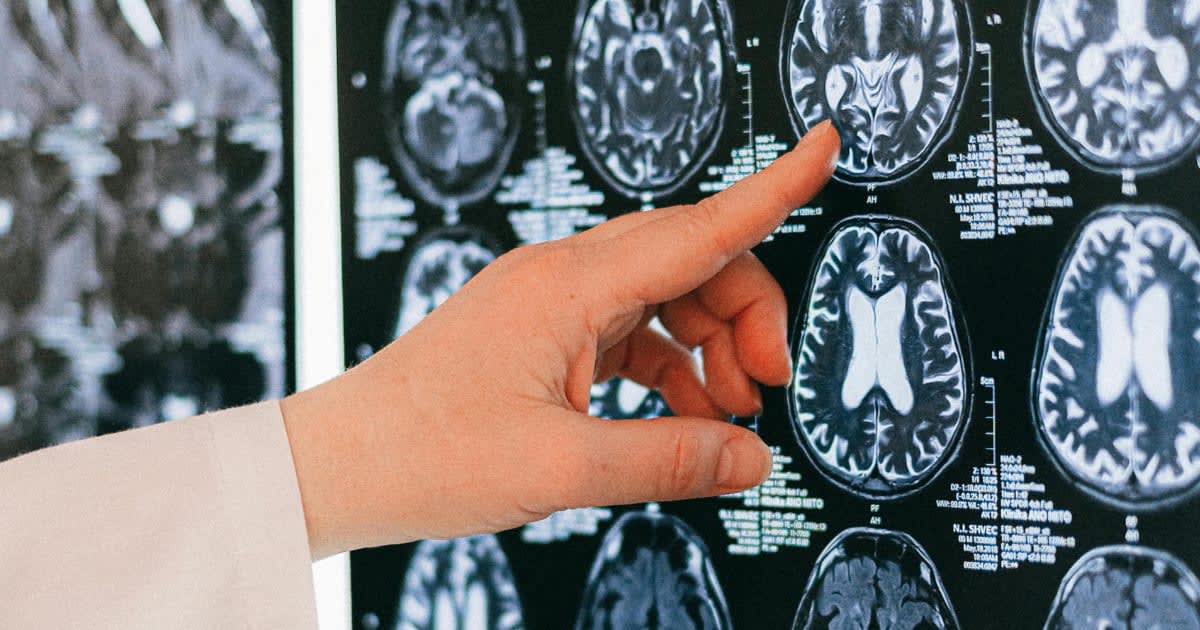
While glutamate has been a vital part of brain activity, it was extremely challenging to measure its signals due to its quick transmission. However, the new protein sensor's sensitivity acts as a "glutamate indicator," allowing it to detect even the weakest incoming signals that are exchanged between two neurons. The protein known as iGluSnFR4 (pronounced 'glue sniffer') was developed by the researchers at Allen Institute and HHMI's Janelia Research Campus in the study "Glutamate indicators with increased sensitivity and tailored deactivation rates." This protein helps in interpreting challenging patterns of the brain's activity. Moreover, this discovery is considered pathbreaking in opening new avenues for disease research. When there are functional defects with glutamate, it leads to conditions such as Alzheimer's disease, Schizophrenia, Autism, Epilepsy, and others. Hence, by measuring these signals, researchers will now be able to identify the root causes of these disorders, per EurekAlert.

According to the lead of the study, Kaspar Podgorski, Ph.D., the discovery is meant to be "good news" in measuring information that comes into neurons from different sources. Jeremy Hasseman, Ph.D., a scientist with HHMI's Janelia Research Campus, said that the success of the protein has opened doors to discoveries in neuroscience. He credited the collaboration of the two institutes for the pathbreaking discovery. A 2024 study by Noemi Nicosia et al noted that disruption of glutamate can cause excitotoxicity marked by calcium overload. This condition is known as glutamate-induced excitotoxicity and is considered the root cause of several diseases of the central nervous system, including neurodevelopmental disorders, substance abuse, and other psychiatric disorders. Although there has been limited clinical study made on this subject, the new study by the Allen Institute marks a crucial development in determining the biological causes of many such disorders.
More on Scoop Upworthy
A neuroscientist and philosopher's 1998 bet on consciousness finally ends after 25 years
Scientists develop method to implant 3D-printed stem cells as a potential cure for brain injuries
 Share on Facebook


