Scientist experimented with just two hours of sleep in 1932 and discovered why 'afternoon naps' beat everything
Richard Buckminster Fuller slept for only two hours for two years and found astonishing results, but is the theory apt?

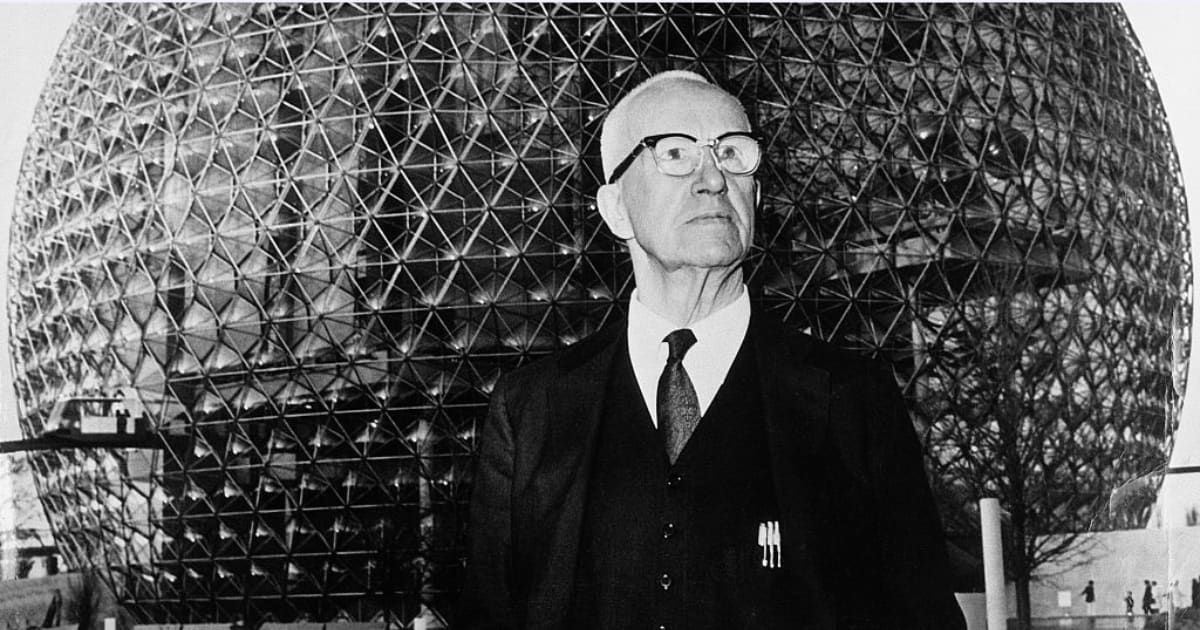
We have been following the concept that we need eight hours of sleep for good health and well-being, as well as to function optimally. Richard Buckminster Fuller, inventor, theorist, philosopher, and architect, delved into sleep patterns to determine which one seems most efficient for a genius mind like his, TIME Magazine revealed. The inventor of the Dymaxion globe, Dymaxion car, and other noteworthy contributions, continued to conduct his research until he reached the experiment period of sleeping for only two hours. After two years of practicing this bizarre habit, he realized he was far more alert and was able to enjoy whatever he had at hand. In 1943, this trial led to the invention of the Dymaxion system of sleeping, placing the 'afternoon nap' as the top priority among sleeping habits.
According to Fuller, man has two reserves of energy — the primary and the secondary. He decided that rest can be managed better if we figure out the right pattern for the body. So instead of crashing after a whole day, he started by taking half-hour power naps every time he felt the first sign of fatigue. This happened every six hours, so he’d take that mini nap every six hours. Eventually, he tried sleeping for only two hours, and the results were baffling. After two years of following the pattern, the theorist confirmed, “[It was] the most vigorous and alert condition I have ever enjoyed." "Two hours of sleep is plenty," he remarked. Eventually, he had to stop because his colleagues and clients insisted on the traditional sleeping arrangement, but he was bent on proving his theory.
And there’s evidence of his unfathomable energy. J. Baldwin, an inventor who worked under Fuller, wrote in his book, BuckyWorks, “I can personally attest that many of his younger colleagues and students could not keep up with him. He never seemed to tire.” A previous study shared that scientists believe there are two types of sleep: rapid-eye-movement (REM) sleep and non-rapid-eye-movement (NREM) sleep. This was measured by looking at brain and eye movements while asleep, through a device called an electroencephalogram (EEG). In the first kind, there is more brain activity. Known as “active sleep,” it is during the REM sleeping period that many have dreams. The eye movements are likely due to the dreams.
On the other hand, the brain waves get slower during NREM sleep. There is no eye movement here, and researchers call this “deep sleep.” REM sleep comprises about 20% to 25% of total sleep in typical healthy adults. However, the first hours of sleep start with the NREM pattern, which is why they often provide better quality sleep, as we might call it. Through the night, the brain alternates between both. As for afternoon naps that are often credited for energy and feeling refreshed, there’s science behind it, too. Daytime naps “coincide with a brief lag in the body's internal alerting signal.” The latter is responsible for offsetting the sleep drive throughout the day and is weaker in the afternoons. So we take that quick nap and wake up feeling refreshed and rejuvenated.
A NASA study on controlled cockpit napping examined the effects of short daytime sleep on pilot performance and alertness. In the experiment, commercial pilots were given a 26-minute nap opportunity during long-haul flights, while a comparison group remained awake. The results showed that pilots who napped experienced up to a 54% improvement in alertness and a 34% increase in job performance compared with those who did not nap.
So what does this have to do with Fuller’s Dymaxion sleeping model? According to Murray Sleep, Dr. Michael Breus suggested that our circadian rhythm seems to have been designed to include an afternoon nap. Over time, it was discovered that these daytime naps are better than the night block of hours of sleep. This led to what is called the “polyphasic” sleeping pattern — distributing hours of sleep in intervals for maximum functioning. And Fuller’s model is a type of polyphasic sleeping, the Cleveland Clinic suggests. The term “dymaxion” came with the combination of “dynamic,” “maximum,” and “tension,” as revealed by Open Culture.
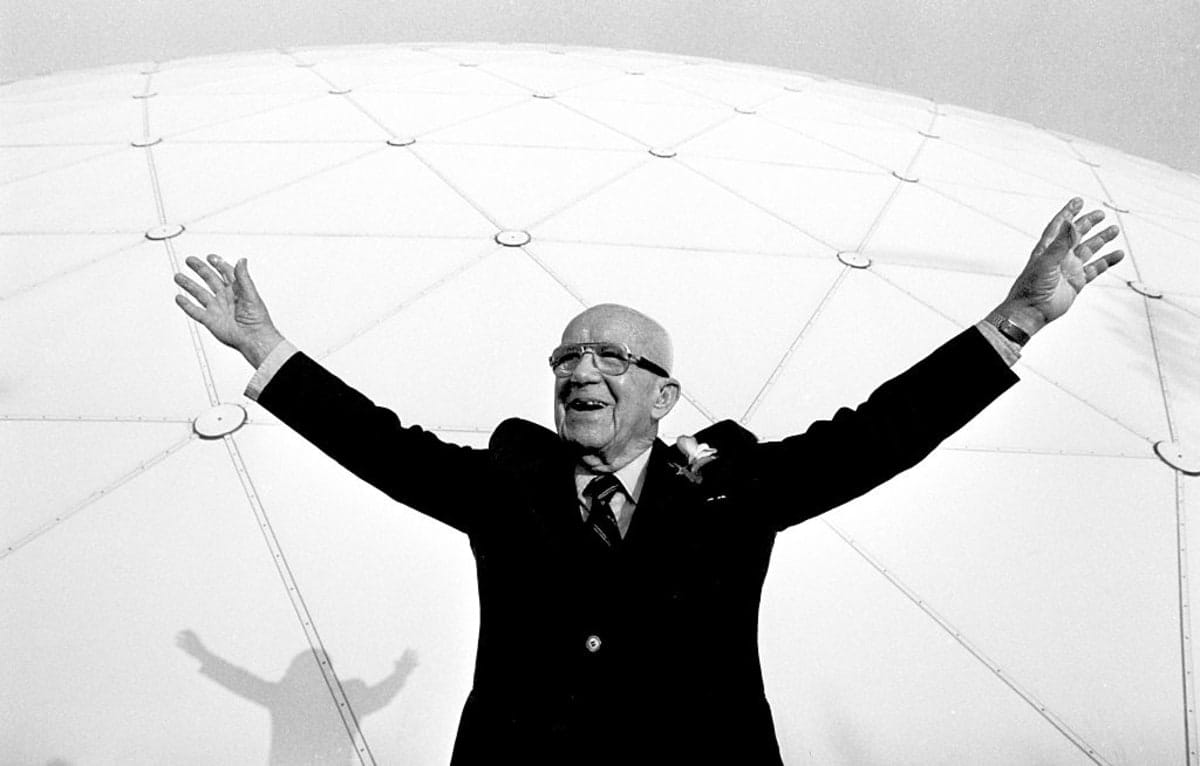
However, scientists today argue that 2 hours only might be a little extreme. Sleep specialist Marri Horvat, MD, MS, “The people who consider these schedules are usually shift workers or people whose job requires them to work long stretches. Those people tend to prefer taking multiple naps, so they have more waking hours versus sleeping hours.” Instead, she suggests figuring out what works best for our body and lifestyle. “Smaller changes are more likely to work. It’s important to go slowly and recognize that it’s going to take your body time to adjust to a new sleep pattern.”
More on Scoop Upworthy
Sleep expert warns people against doing these 6 things in the middle of the night
Couples swear by this Scandinavian sleeping method as something that 'could save marriages'
Fitness coach shares a military technique to fall asleep within 2 minutes and it's mindblowing
This article originally appeared 1 month ago.
 Share on Facebook


