Soviet youth recorded banned Western rock onto 'X-ray's and played it in secret. Honestly, that’s as punk as it gets
From The Beatles to The Rolling Stones and Ella Fitzgerald, the youth of Soviet traded in a whole market of 'bone music'


In the 1950s, after World War II, many Russians faced strict limits on the music they could play or share. Tape recorders weren’t common yet, so most relied on gramophones, with cassettes and vinyl hard to find. Somewhere amid this restriction, some young Russians snuck their way into clever devices and started using them to play Western music. These people initiated a secret rebellion, quietly reviving a thread of music within the dull, dreary neighborhood. Tango, foxtrot, mambo, traditional folk, gypsy, boogie-woogie, rock 'n' roll, Russian émigré, and doo wop — no rhythm was left untouched. Here began the idiosyncratic tale of Soviet shady bootleggers, as reported by NPR.
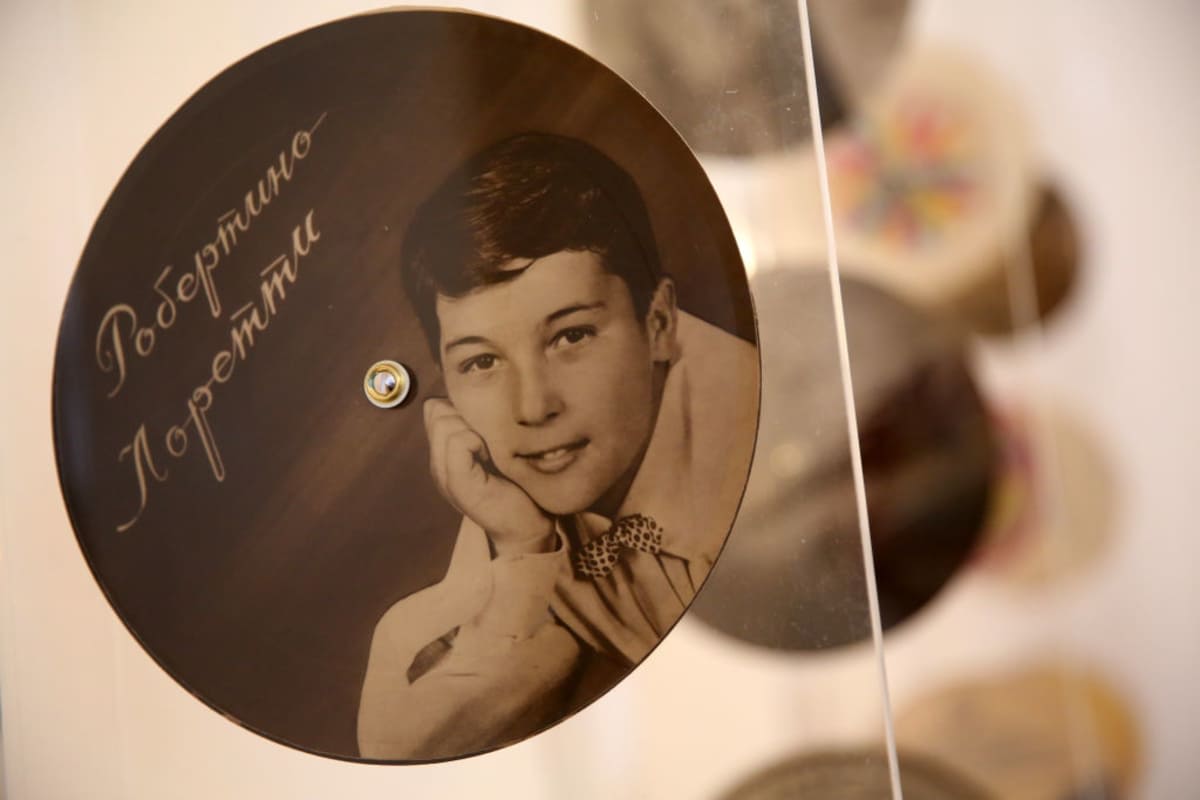
In a The Vinyl Factory documentary, Kolya Vosin shared how one day, a friend visited his house and asked if he wanted to buy a record. Vosin, The Beatles Guy, was excited at the prospect. The music, he said, felt like spinning in the bones and thumping in the rib cage, which is why some people called it by names like “bones” and “ribs.” The trade for these records happened in secret. Those who bought slipped the disks behind their coats, and slipped away, towing the “music on ribs.”
The bootlegging of banned music became even more prominent when, just after the war, a guy turned up in St. Petersburg, carrying a recording lathe, a device that makes records with a portable record writer, an expert told DazedDigital. The youth acquired X-ray films from hospitals, road signs, and circular cake plinths. The films featured X-rays of patients, displaying everything from ghostly fingerbones to psychedelic skulls. They cut these X-rays into a crude circle with manicure scissors and used a cigarette to burn a hole. "You'd have Elvis on the lungs, Duke Ellington on Aunt Masha's brain scan — forbidden Western music captured on the interiors of Soviet citizens," recalled author Anya von Bremzen.
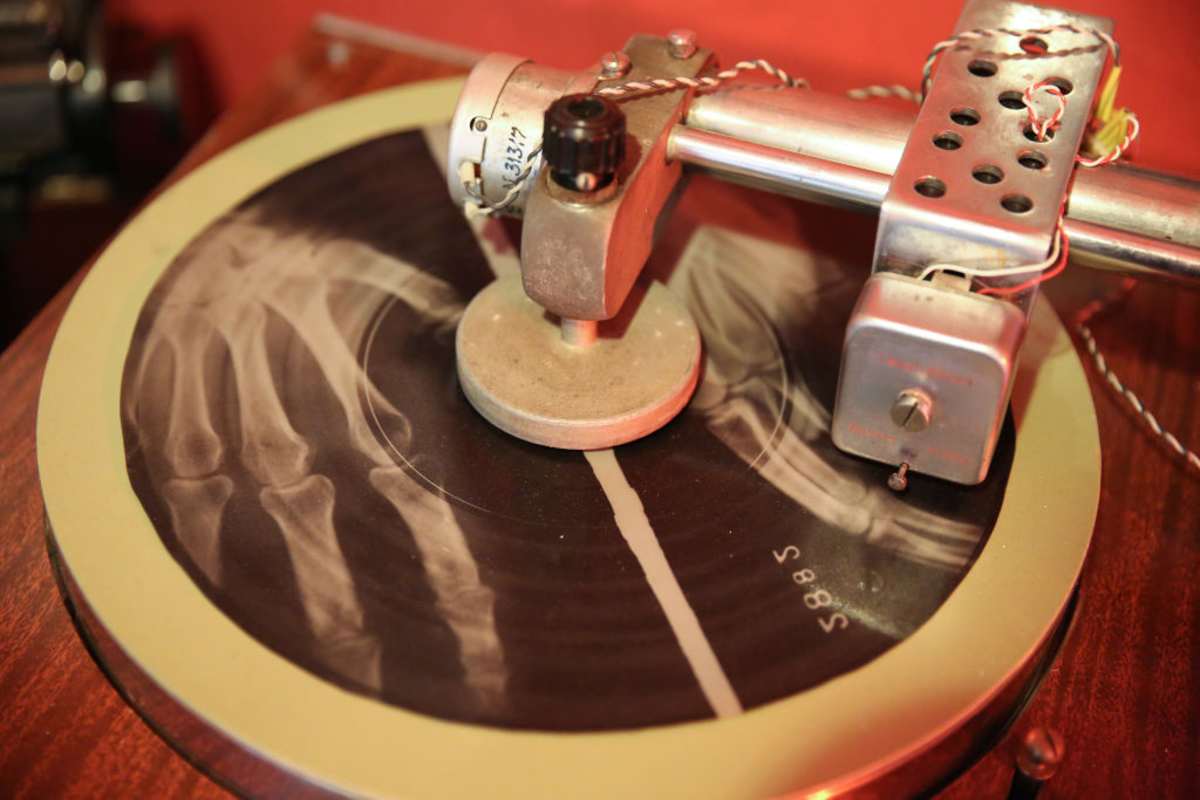
Soon, people started creating their own versions, sometimes trading them in their own garden sheds or with bottles of vodka. “Usually it was the Western music they wanted to copy," Sergei Khrushchev (Son of Nikita) told NPR. "Before the tape recorders, they used the X-ray film of bones and recorded music on the bones, bone music.” These records, he described, were called “roentgenizdat” or “bone music.”
Under a youth gang called "Stilyagi," an intense rock 'n' roll dance piece called "Rock Around the Clock" by Bill Haley & His Comets was released. Some of them sounded like sand or crackles, like the "Lullaby of Birdland" and “Someone in Love” by Ella Fitzgerald. Most of them, including The Beatles, the Rolling Stones, and Chubby Checker, were sold as part of a single-sided business.
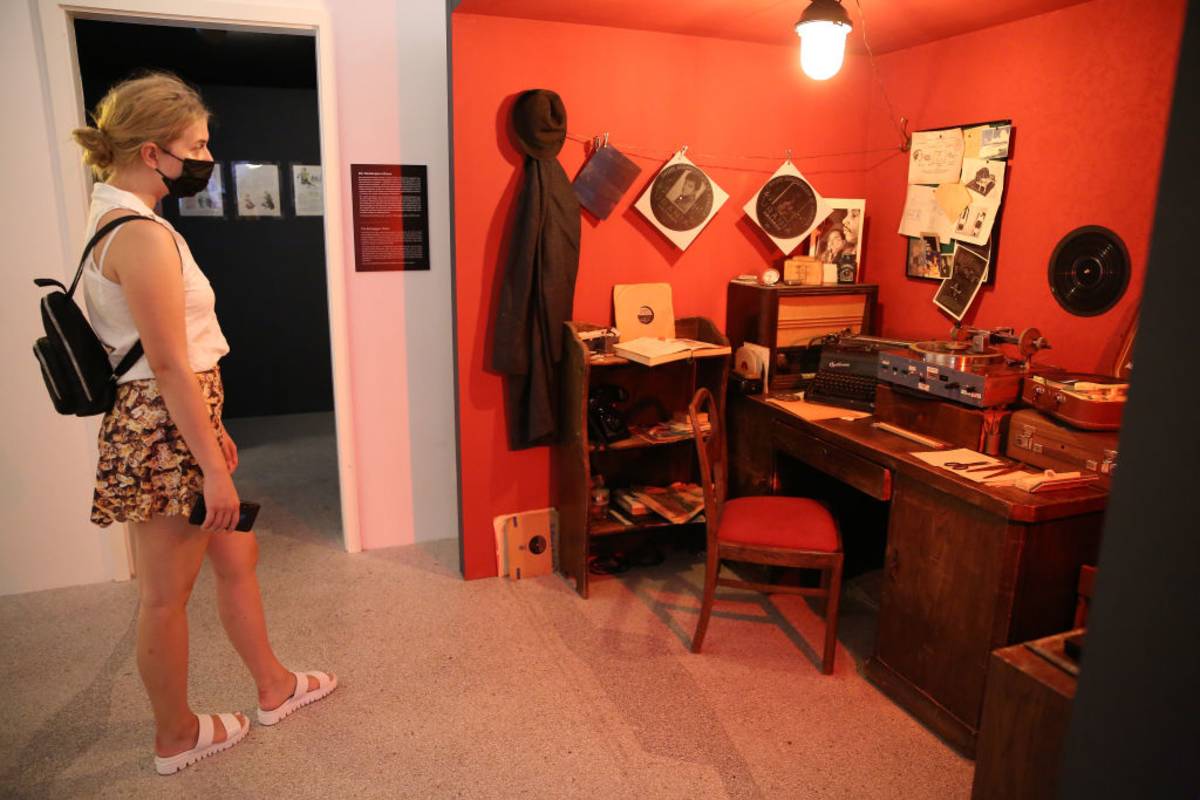
The government was unhappy with the recording devices that had created a black market in the Soviet Union. However, many, like Vosin, were crafty and never got caught. They used sly plans and right timing to go unnoticed while they made the deals. However, others, like Ruslan Bugaslovski, known for the “Golden Dog Gang,” were put in jail for composing the music. The obsession exploded to such an extent that fanatics were ready to kill for the records. As Vosin described in the documentary, a gang visited his house another day and announced, “You choose, you give us ribs, or you get these knives under your ribs.”
More on Scoop Upworthy
Music collector finds tear-jerking letter inside used vinyl record — from the original owner's mom
Couple rekindles romance after receiving 1966 vinyl record that they let go of by mistake
 Share on Facebook