Scientists accidentally caught mice performing CPR and it changed what we know about empathy
Researcher Li Zhang reveals that the hormone 'oxytocin' is involved in other caring behaviors across a wide range of vertebrate species.


Mice have always been peculiar animals, but when in trouble, they will always come forward to help their mate out, sometimes even by conducting CPR and first aid. The University of Southern California recently experimented to find out what would happen when a laboratory mouse is placed near a familiar cage-mate that was either anaesthetized or unresponsive, and the findings have been surprising. Sharing the results of the study, Instagram content creator Amelia Samson's (@ameliasamson) video has garnered over 200k likes.
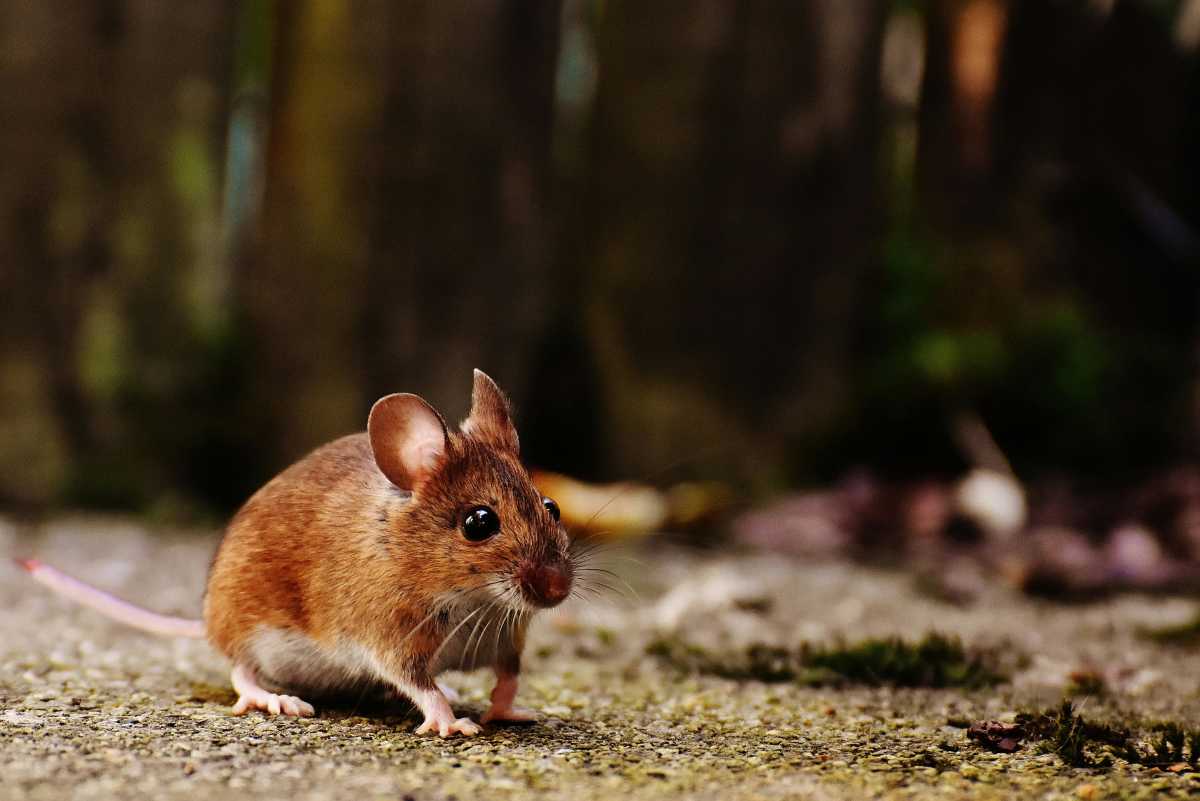
Samson was overwhelmed with emotion when she shared with her audience that new research has found mice giving each other CPR. In the study conducted by Wenjian Sun et al., they filmed what happened when laboratory mice were presented with a familiar cage-mate that was either inactive or anaesthetized. To their disbelief, they found odd behaviour from the other mouse. Samson explained that when they found their mate unconscious, the mouse would try to revive their companion by pawing at them, biting, and even pulling their tongue aside to clear their airway. While researchers were unsure why the mice pulled the tongue to the side, they decided to place a non-toxic plastic ball in the mouth of the unconscious mouse and found that 80% of the time, by pulling the tongue, their airway was cleared.
"The mouse that received help from the other mouse would wake up from the anaesthesia faster than the mice that were left alone or woke up by themselves," Samson revealed. The research showed that the same hormone, oxytocin, which lights up in humans and evokes emotions such as empathy, also lit up in these mice when they were put in this situation. Researcher Li Zhang told New Scientist that the hormone oxytocin is involved in other caring behaviours across a wide range of vertebrate species. They also believe that this behavior is innate rather than learned, mostly because all the tested animals were just 2 to 3 months old and had not seen this behavior or anaesthetized cage-mates before.
Another study testing for empathetic behavior among mice found, "When the conspecific mice were in a painful state, subject mice showed preferential approach behavior toward them, presumably recognizing the state." In the experiment, mice were shown cage-mates and stranger mice undergoing anesthesia and developing swollen limbs. While there was no differential treatment observed in these cases, when the mice were presented with those given formalin injections, they stayed around much longer — probably because they recognized the activity and anticipated the pain.


Cristina Márquez at the Center for Neuroscience and Cell Biology in Coimbra, Portugal, said, "Mice are prey animals that often do not live in big groups, they will hide quite well from us humans. But the fact that we don’t see it does not mean that they don't do it." Soon after Samson's video gained traction, many users reacted to the study. @benruset wrote, "'Empathy might have evolutionary origins', which means humanity must be de-evolving." @mollymgraff commented, "Me, an EMT, showing up to work with a mouse under my hat like in Ratatouille."
More on Scoop Upworthy
Uniquely cinematic shot of mice squabbling on subway platform wins wildlife photography award
New study suggests wild animals enjoy running in wheels intentionally and it's not just the lab mice
This unique friendship between a cat and a mouse is winning hearts on the internet
 Share on Facebook