Toddlers can remember smells from the womb and it could explain why some kids hate vegetables
Researchers observed kids as fetuses, as three-week-old newborns, and again as 3-year-old toddlers


What a mother eats during her pregnancy determines the kind of taste buds her child will develop later. Don't believe it? On May 12, 2026, a new study published in the journal Developmental Psychobiology explained how. The study was conducted by Durham University on 12 kids, during three separate stages. They were observed as fetuses, as three-week-old newborns, and again as 3-year-old toddlers. The study claimed that toddlers reacted positively to the taste of what their mothers ate during pregnancy.
Different facial expressions
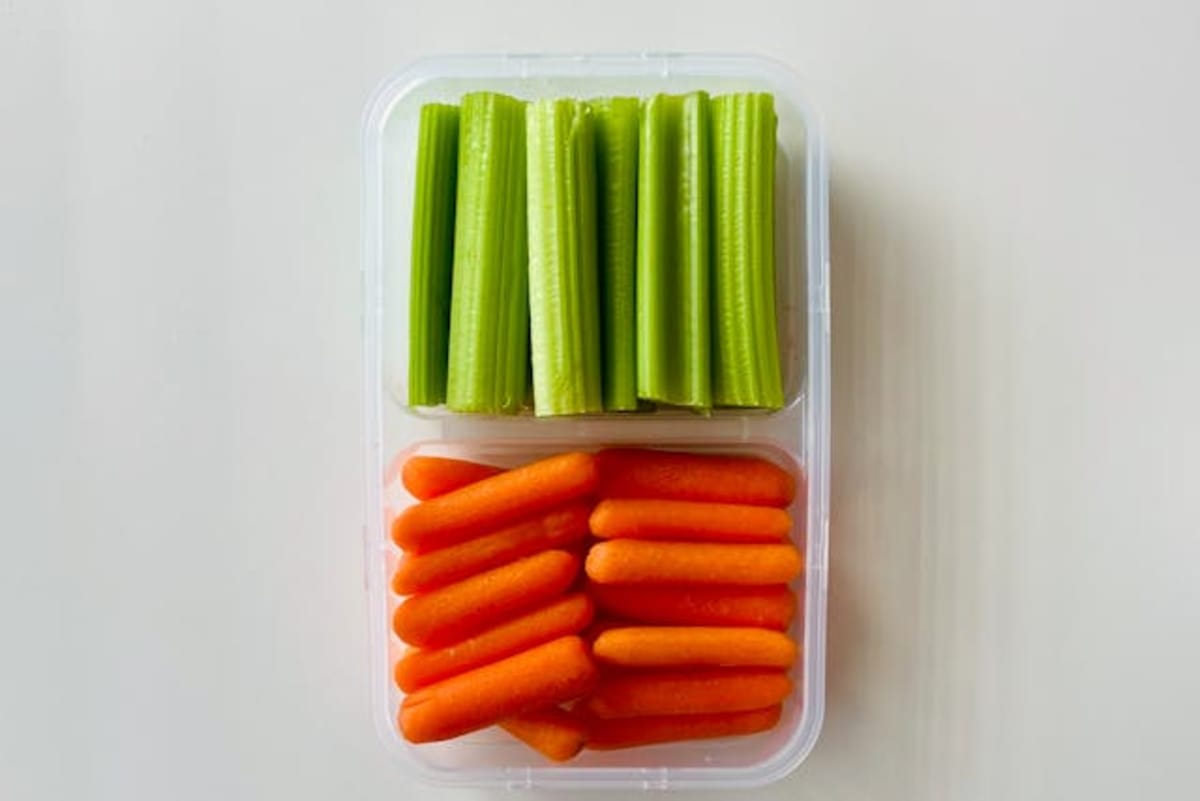
The first part of the study was observing the fetus' reactions. One group of mothers was given carrot powder capsules, while the other group was given kale powder capsules. They noted the fetus' facial expression using ultrasound and found that fetuses of mothers who took carrot powder capsules often had a "laughing face," while fetuses of mothers who took kale powder capsules had a "cry face." This could be that kale has a bitter smell and carrots do not.

The trick to getting kids to love greens
The second part of the experiment involved using cotton swabs dipped in carrot powder and kale powder. The three-week-old babies were made to smell the separate swabs, not taste, and their reactions were recorded on video. There was a slight difference in their reactions compared to the first time. Babies of mothers who took carrot powder capsules had a positive reaction to the smell of carrot, and babies of mothers who took kale powder capsules reacted positively to the smell of kale. Three years later, the study found that the children's negative reactions to certain smells they were exposed to in the womb had reduced drastically.
Beyza Ustun-Elayan, co-author of the study, shared her observations, "Our research showed that fetuses can not only sense and distinguish different flavors in the womb but also start learning and establish memory for certain flavors if exposed to them repeatedly," as reported by Study Finds. Nadja Reissland, also a co-author, added, "Potentially, this means we could encourage babies to react more positively towards green vegetables, for example, by exposing them to these foods during pregnancy."
Pregnancy cravings
Beyond the study’s findings, pregnancy cravings themselves have long been a topic of curiosity and discussion. For instance, OnePoll conducted a survey to understand some of the most common pregnancy cravings. The poll studied 2,000 women who had given birth within the last six years. The results showed that 47% craved seasonal food that was out of season, 42% craved unusual food combinations, and 35% wanted food that was available at only one specific place. On the other hand, 33% craved junk food, while the other 33% wanted natural foods.

Conclusion
The latest findings of the study claimed that fetuses exposed to certain flavors during the later part of pregnancy can retain odor or flavor memory when they grow up. It also states that bitter and non-bitter flavors can influence the child's likes and dislikes later on. Benoist Schall, a co-author of the study, said, "This study confirms that human fetuses can sense the flavors of foods that pregnant mothers eat, which might affect what they will like for years after birth. Research is needed on other odorants and how they affect the fetus and child."
More on Scoop Upworthy
Pregnant Azerbaijani archer shoots a ten after receiving a lucky signal from her unborn child
Woman straps heavy fruits on husband to let him experience the difficulties of pregnancy
100-year-olds spill the beans on how their eating habits have helped them live longer
 Share on Facebook