Southwest Airlines made a plus-size passenger buy an ‘extra’ ticket. Her response made them reverse the policy
Linda said she will never fly with Southwest Airlines again because she doesn't want to experience what happened this time


Being called fat by someone is unappealing to hear, especially in a public setting. One woman, named Linda Hyde, felt enraged and humiliated after Southwest Airlines asked her to pay for an extra seat because of her body size. Hyde, a frequent flier, had boarded the Southwest flight to Kansas City at Miami International Airport on May 21. After the experience left her bitter, she decided to sue the airlines, according to a May 29 report by the Miami Herald. The enraged passenger has sworn never to fly with Southwest Airlines again.
Policy or body shaming?
Hyde’s job requires her to travel by air at least six to seven times a year. But never before this moment had she been asked if she could fit into one seat. Well, the question came as a result of the airlines’ new protocol that makes plus-size passengers pay a “fat tax” for occupying additional space or seating on the plane. The Southwest Customer of Size policy states that if a passenger needs to occupy more than one seat, based on their body size, then they must ensure that the adjacent seats are available, and they should, therefore, pay for more than one seat. If the passenger fails to pay or if the flight is full, their slot is shifted to the next flight.
Same flight, different rules
Hyde, president of the American Association of Private Lenders, insisted that she had flown on the same flight the previous Monday, and she could easily fit in one seat. The airport agent still told her that she needed to buy an extra seat. On the same day that she traveled on the flight, she sent emails requesting accountability for the conduct she experienced. She also asked for a formal apology from Southwest. According to the media outlets, the bureau hasn’t sent a response on this yet.
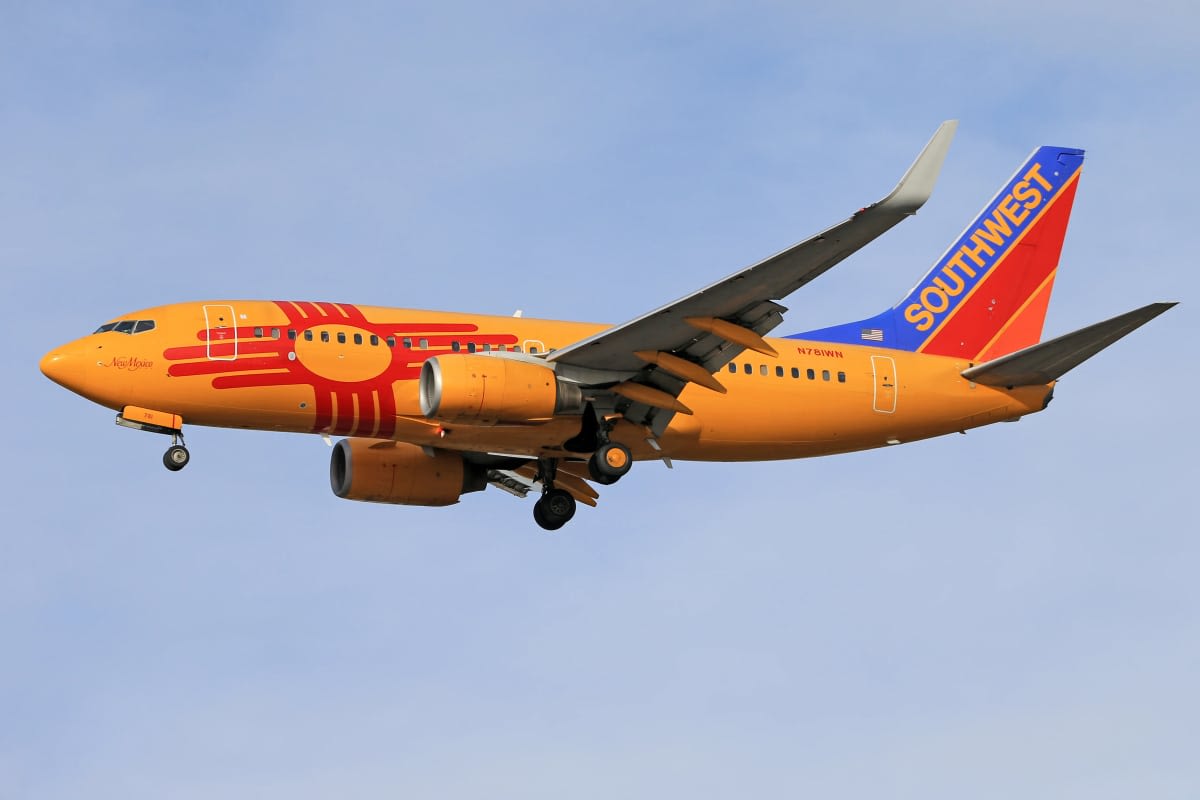
In January 2026, the airlines tweaked this policy to make it more flexible for the passengers. The policy now states that the passenger will only need to pay for an extra seat if the flight is full and there’s not actually a seat left for them. "Southwest is working to create a more consistent and seamless experience for customers who require an additional seat. On flights where adjacent seats are available, our agents at the airport are empowered to provide an additional seat at no extra cost to customers who require one," a spokesperson for Southwest told Inc. In the case of Hyde, the flight she was taking had 30 empty seats, and therefore, she was allowed an extra seat for free.
Leading in customer satisfaction
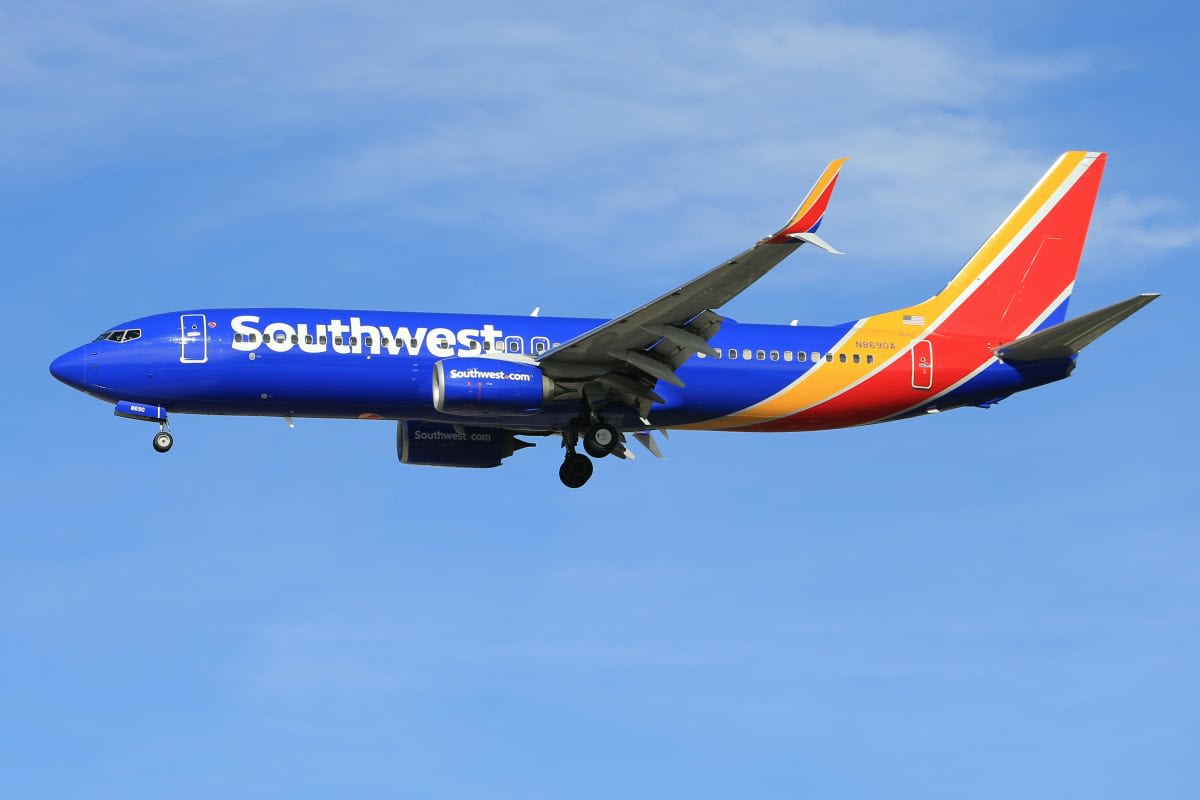
Southwest Airlines is the world’s fourth-biggest airline by market value. In the US alone, it serves more than 120 destinations, serving 134 million customers per year. It operates about 4,000 flights per day, employing 73,000 workers in hospitality. However, 2025 statistics revealed that among 66,675 total complaints of US airlines, Southwest drew the fewest number compared to the newer airlines Alaska and Hawaiian.
'We're not cattle.'
For Hyde, particularly, the issue wasn’t about the space. It was actually about body shaming, she felt, when asked to pay for another seat. According to the Canadian Medical Association Journal, fat shaming induces chronic stress. The study revealed that an estimated 40% of Americans suffer from internalized weight bias. Another report suggests that multiple passengers reported feeling ostracized for their weight during a Southwest flight. In particular, the “public nature of the interaction” is what makes it painful, as Hyde admitted. "The bigger problem that I have is how it’s addressed," Hyde said. “How it makes me feel to be addressed the way that they did. We’re not cattle; we’re people; you have to treat us like people.”
More on Scoop Upworthy
JetBlue Airlines settles the debate on whether passengers should give up their seats for families
Co-passenger secretly fat-shamed woman on the plane — until one man stood up for her publicly
Passenger's post about overweight co-passenger overflowing into their seat sparks debate
This article originally appeared 2 months ago.
 Share on Facebook


