The FBI is using plants as 'silent witnesses' to solve complex crimes
A leaf, pollen, a clump of moss, a cluster of roots: these tiny plant fragments can prove to be more valuable than one can imagine


In contrast to humans, plants don’t lie, and they are unbiased. When someone thinks of crime investigators, they imagine detectives with magnifying glasses collecting fingerprints, officers watching CCTV footage, or scientists in white lab coats inspecting DNA swabs or blood samples. No one imagines a humble clump of moss participating as an investigator in the crime detection team.
When Dr. Matt von Konrat, head of botanical collections at the Field Museum in Chicago, received a phone call from the FBI to solve a criminal case, he had no other ally except this moss clump to unravel the crime scene as it unfolded. The Scientist reports that in 2009, von Konrat was informed that four men from the Burr Oak Cemetery near Illinois had likely exhumed bodies and dumped them elsewhere in order to be able to re-sell burial plots with an increased profit margin. All that the detectives had was a chunk of moss, as big as a thumbnail, and it helped them crack the case wide open.
To think of a plant acting as an investigator might sound a bit like Pixar animation, but in the world of science, these silent, unsuspecting detectives are part of something called “forensic botany.”
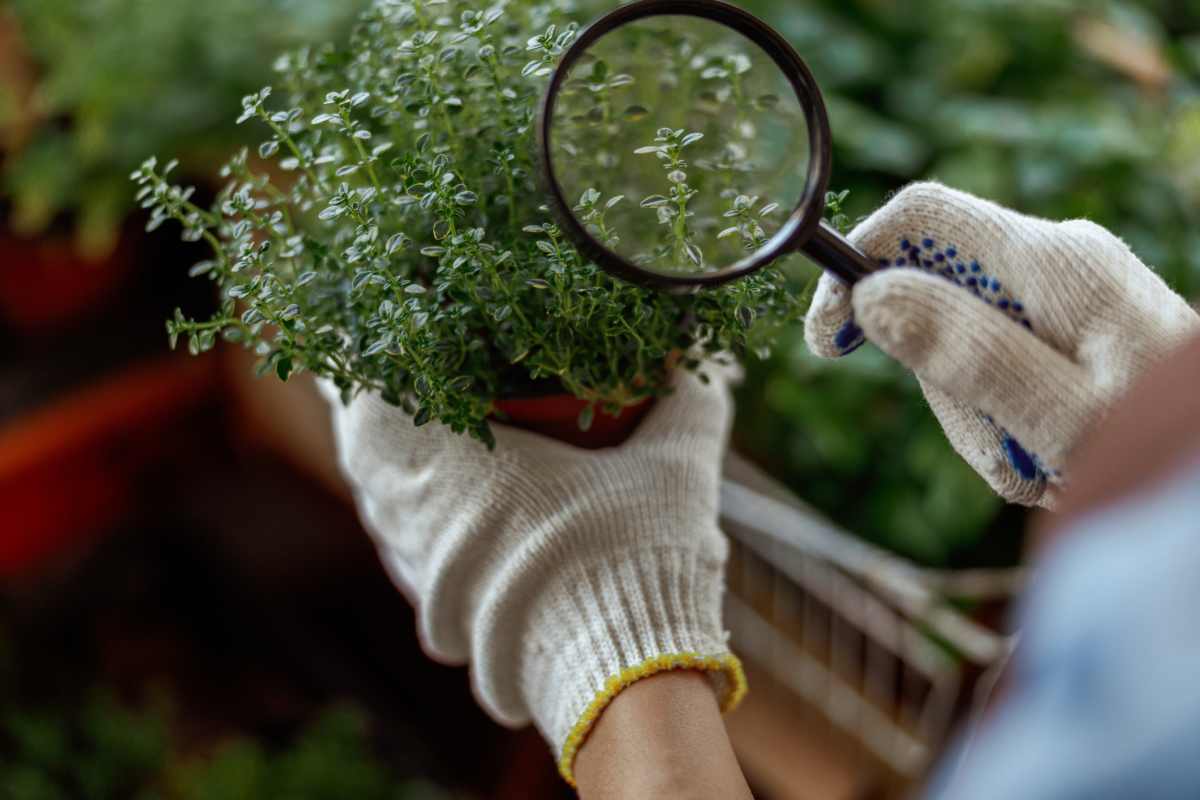
By studying how long the moss particles had been with the human remains, and where the species originated from, detectives were able to establish a timeline for the criminal activities. “We surveyed the cemetery, and the same species of moss was growing in an area [of] the cemetery where law enforcement suspected the bodies had been dug up from,” said von Konrat. Next, they studied "the biochemical properties" in the chunk of moss, and realized that it had been moved to the crime scene within the last year. This was particularly helpful since the accused kept denying the allegations, saying all of this happened way before he had ever joined the cemetery as a worker.
Microscopic pollen particles can stick to a criminal’s clothing or car and provide clues to the police about the time of the crime and his estimated current location. Spores can get lodged in the hairs and act as meticulous crime investigators. Tree rings and roots can tell the time of death. Disturbed soils can disclose when the suspect buried a body. Many plant detectives can act like postcodes that provide clues to the criminal’s identity. By collaborating with plant peepers, police can derive information about the crime scene, suspect’s movements, timelines, and victim’s location, all the details that often escape the naked eye.
"This is the cool thing about moss,” Dr. von Konrat said, per The Guardian. “When we’re dead, we’re dead, but with mosses, it’s bizarre. Even when we might think they’re dead, they can still have an active metabolism.” This was one of the first cases where scientists came face to face with the magic of forensic botany. At the time, Dr. Konrat hoped that this wasn’t the last case where this science was utilized for criminal proceedings. It wasn’t.
In a 1932 kidnapping and murder case of a Lindbergh baby, police discovered a homemade ladder that was used in the kidnapping. The rings in the piece of wood matched perfectly with the rings of the floorboard in the attic of the kidnapper’s house. In a 1992 murder case in Arizona, detectives uncovered a Palo Verde tree near the woman’s body. The DNA of the dead body matched perfectly with the DNA traces found in the suspect’s truck, per the University of Vermont.
AETV reports another famous criminal case, the Casey Anthony Case. Casey, a child, had gone missing for several months, until police found her body wrapped in plastic and a laundry bag, tossed into the edge of a swamp. A team of forensic botanists was dispatched, and they quickly deduced the time of death using the length and thickness of plant roots.
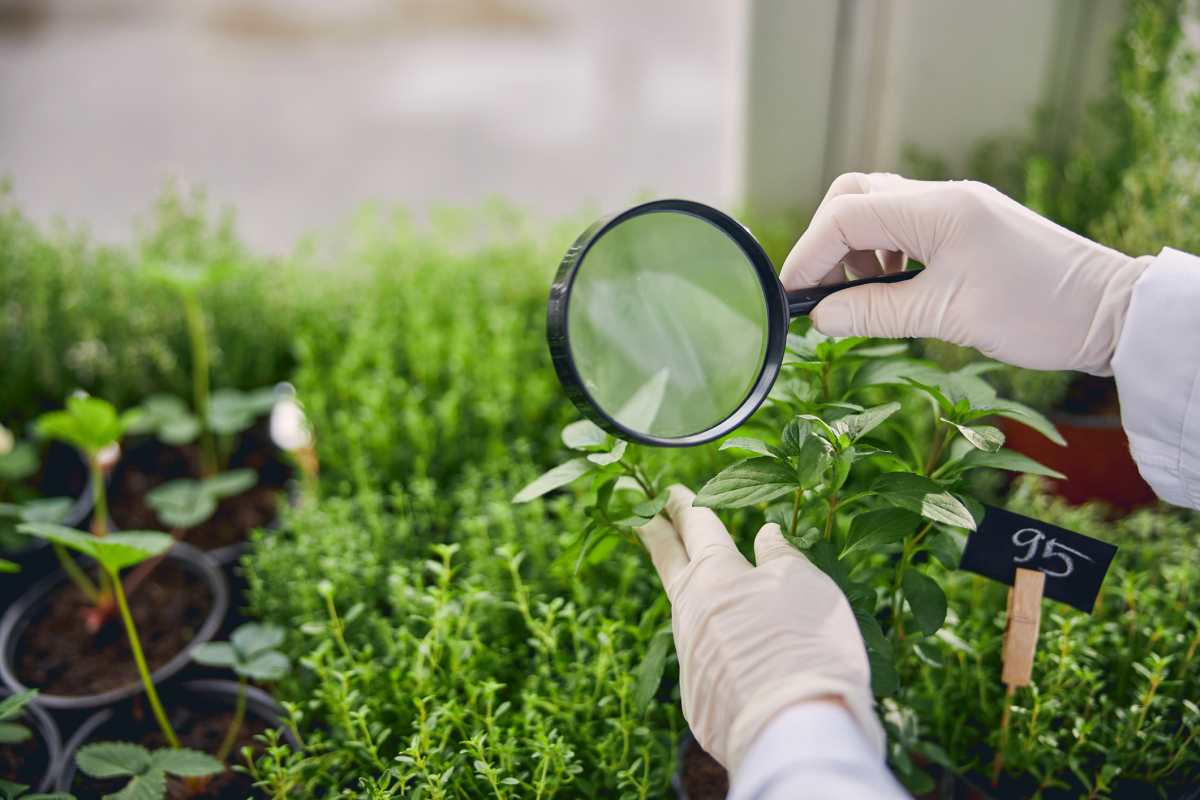
In 1996, the University of Queensland’s forensic botanists solved a criminal drug case, untangling a string of cannabis locations. In the book "Fruits of the Poisonous Tree," author Archer Mayor describes a crime scene where detectives find a Russian olive. The point is, there isn’t a single Russian olive on the victim’s property. In the end, they find the same plant on the suspect’s trailer.
More on Scoop Upworthy
Retired FBI agent reveals the hidden threats of home DNA test kits and why people should avoid them
Former detective explains why it's safer to send screenshots of photos rather than originals
 Share on Facebook