Scientists had a sarcasm problem in 1982. Their solution became the most famous emoticon
An early online misunderstanding in 1982 forced researchers to find a new way to convey tone, changing digital text forever

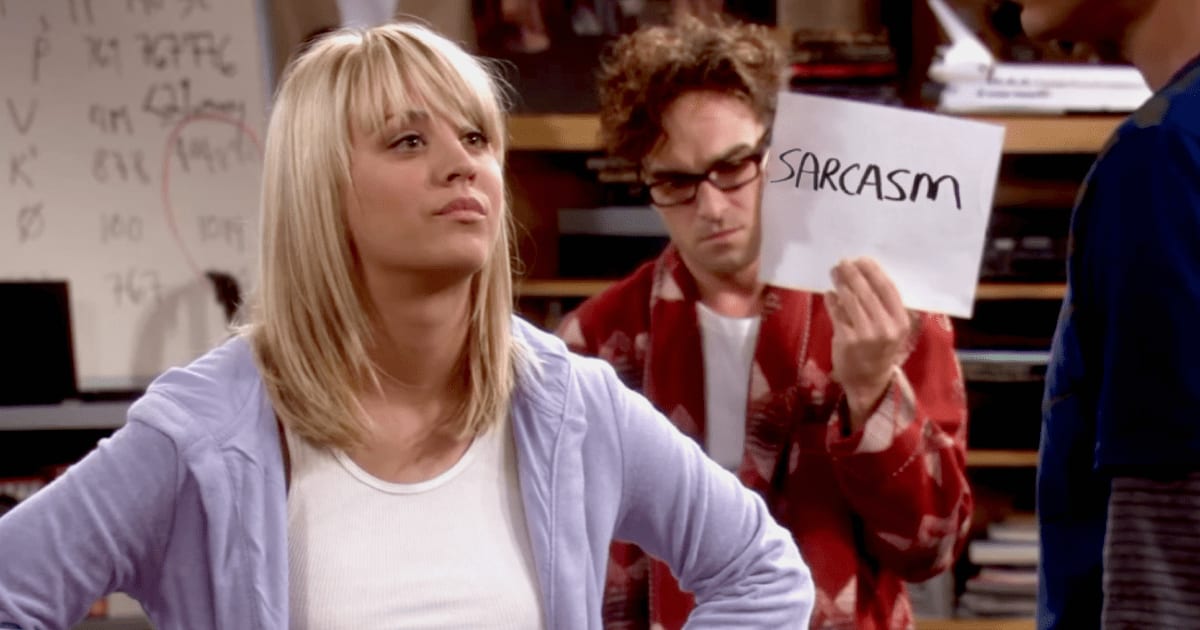
When you fire off a quick text to a friend or reply to a Slack message at work, chances are you drop in a smiley face or a quick emotion marker without giving it a second thought. But the digital shorthand we take for granted every single day didn't originate from a polished tech lab or a multi-million-dollar board meeting. The birth of modern text-based communication actually traces back to an early online message board, a hyper-specific physics problem, and a sarcastic prank in 1982 that completely backfired, as per a report by Ars Technica on November 20, 2025.
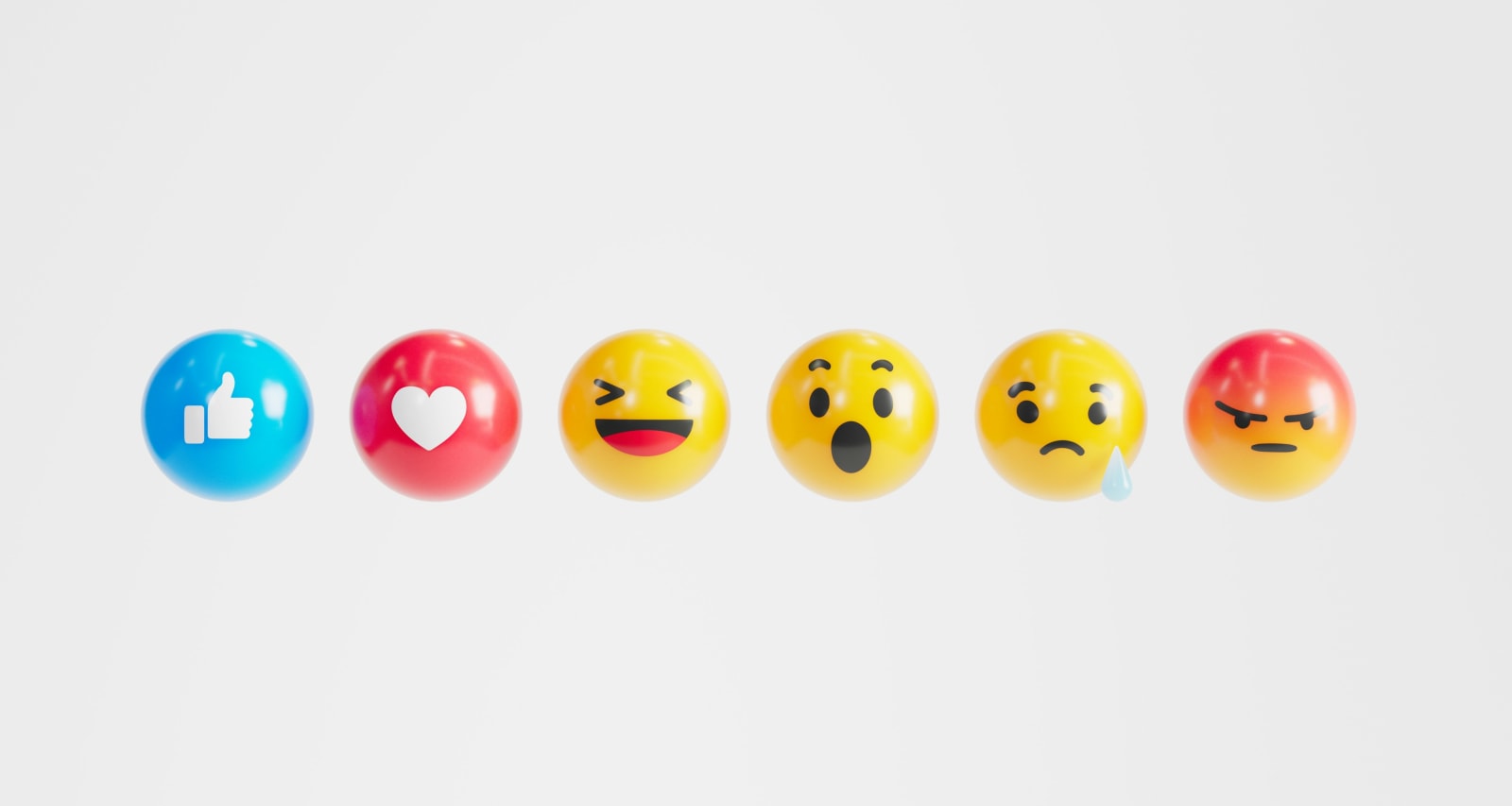
Sarcasm unleashes digital chaos
It all started on September 16, 1982, on Carnegie Mellon University’s internal electronic bulletin board, known as the "bboard." A computer scientist named Neil Swartz tossed out a hypothetical physics question to his peers about what happens to a lit candle and a drop of mercury inside a free-falling elevator. Later that evening, fellow researcher Howard Gayle decided to lean into the chaos.
He posted an urgent-sounding, highly sarcastic message titled "WARNING!" falsely claiming an elevator on campus had suffered "some slight fire damage" and was "contaminated with mercury" due to an experiment. Even after clarification posts were published, the panic set in, and several users took the warning completely seriously, sparking immediate concerns over how easily plain text could trigger a full-blown "flame war" when the tone was misread.
Damage control
Desperate to avoid future digital chaos, the university's researchers kicked off an intense debate over how to tag jokes on a screen. Swartz first proposed sticking an asterisk (*) in subject lines to signal a joke. Soon, others jumped into the thread with their own ideas. Joseph Ginder proposed using % instead of *, while Anthony Stentz pitched a system using * for good jokes and % for bad ones. Keith Wright advocated for the ampersand (&) because it "looks funny," and Leonard Hamey suggested ({#}) because "it looks like two lips with teeth showing between them."
Meanwhile, some Carnegie Mellon users were already using their own solution, as they later revealed they had been using \__/ as “universally known as a smile” to mark jokes. But it apparently didn’t catch on beyond that local system.
Finally, on September 19, 1982, three days after the initial elevator scare, computer science research assistant professor Scott Fahlman entered the thread with a groundbreaking proposal: "I propose that the following character sequence for joke markers: :-)" he wrote, adding that serious messages could use :-(. Fahlman cleverly synthesized the best elements of the ongoing debate into a simple binary system using standard US-ASCII characters, creating the sideways smiley that quickly spread across ARPAnet.
The birth of visual emojis
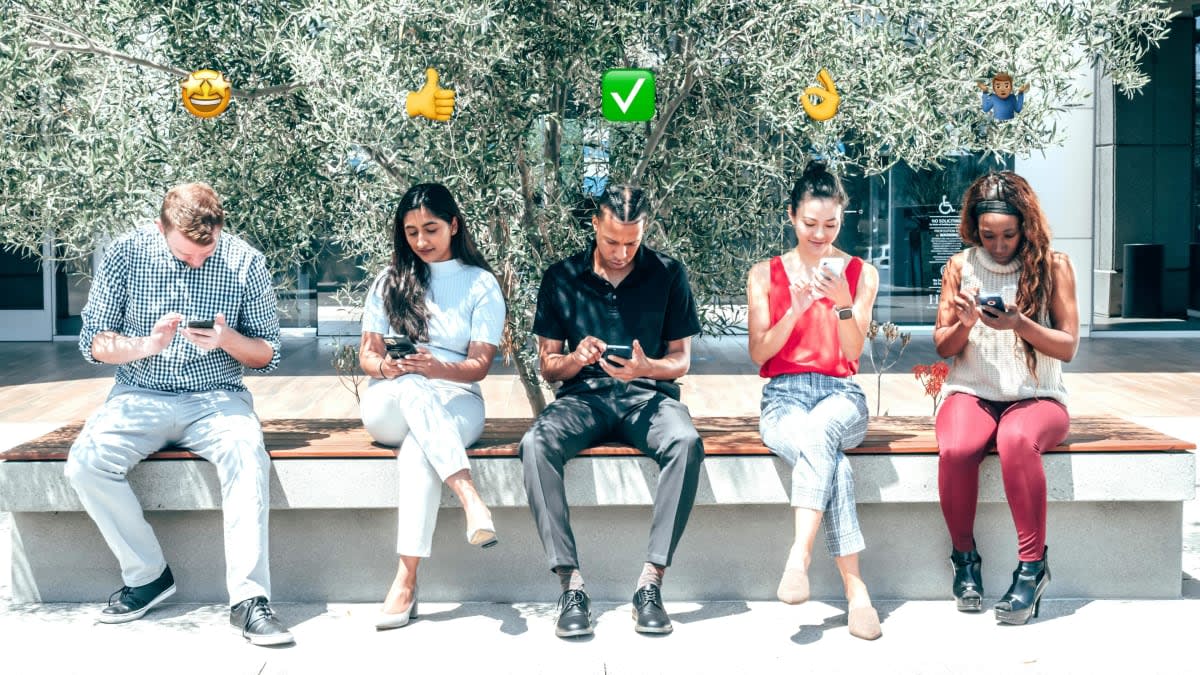
While Fahlman’s emoticons spread across Western online culture, Japan developed emoji. Although Shigetaka Kurita’s 1999 set was long considered the first, earlier examples include SoftBank’s 1997 icons and the Sharp PA-8500’s 1988 symbols. Unlike text-based emoticons, emoji use pictorial symbols to express emotions and ideas. Unicode standardization in 2010 and Apple’s emoji keyboard in 2011 helped popularize them worldwide.
Humans convey emotions through emojis
Decades later, Fahlman’s simple punctuation mark has evolved into an indispensable fixture of modern human connection. According to research published by Pumble, 92% of online consumers use emojis daily. Far from just being fun decorations, research reveals that 91% of U.S. users rely on them to accurately express tone and lighten the mood, while 79% of employees say emojis help them share ideas much faster in the workplace. Fahlman agreed that he might not have been “the first person ever to type these three letters in sequence,” but his solution definitely solved the problem at hand at the right time.
More on Scoop Upworthy
 Share on Facebook