Why is USA 'out of blood' for the second time in history?
Doctors are facing a sudden crisis over who gets blood, and the reason is unexpected

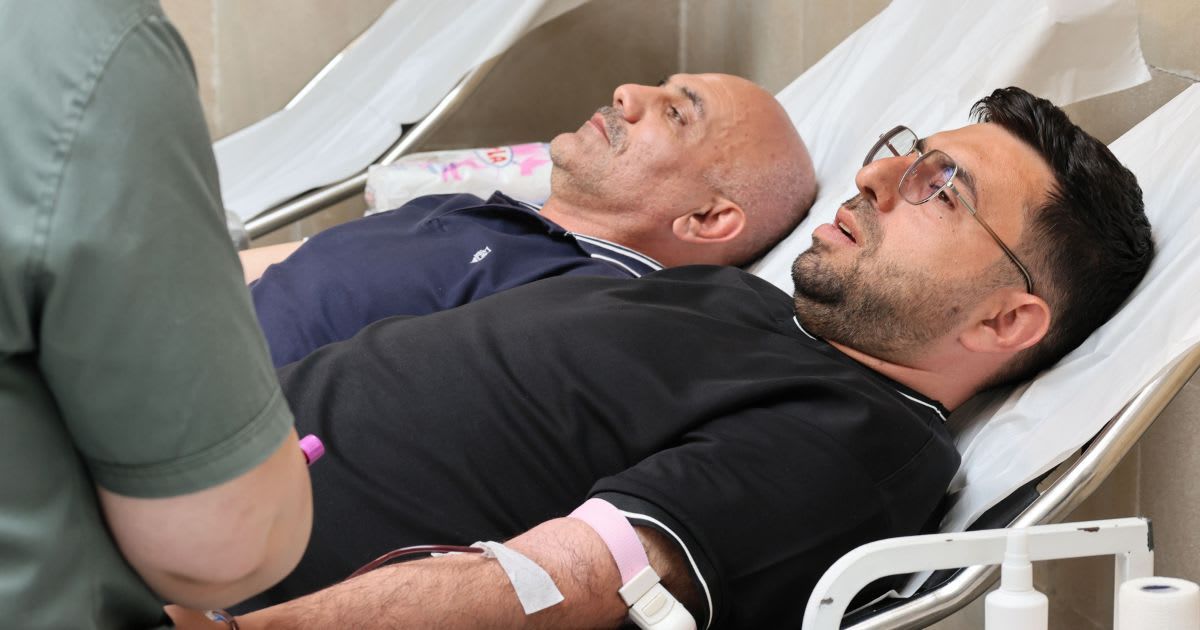
For decades, walking into an American hospital meant trusting lifesaving blood would be waiting on the shelf when needed. This was a seamless part of modern medicine. Recently, however, that quiet guarantee has fractured, leaving the health system in a precarious position. In a report posted by PBS NewsHour (@PBSNewsHour) on August 1, 2026, the American Red Cross declared a critical national shortage of blood, especially Type O-positive blood, for only the second time in history.
A second national warning
The American Red Cross officially issued its second-ever national blood supply emergency, warning that inventory levels across the country have plummeted to dangerous levels. As the primary supplier of roughly 40% of the U.S. blood supply, the organization previously issued such a warning in 2022 while the pandemic was still raging across the country. Now, they are reportedly holding less than a single day's reserve of Type O-positive blood. Jessica Merill, Director of Communications at the American Red Cross, highlighted the gravity of the situation.
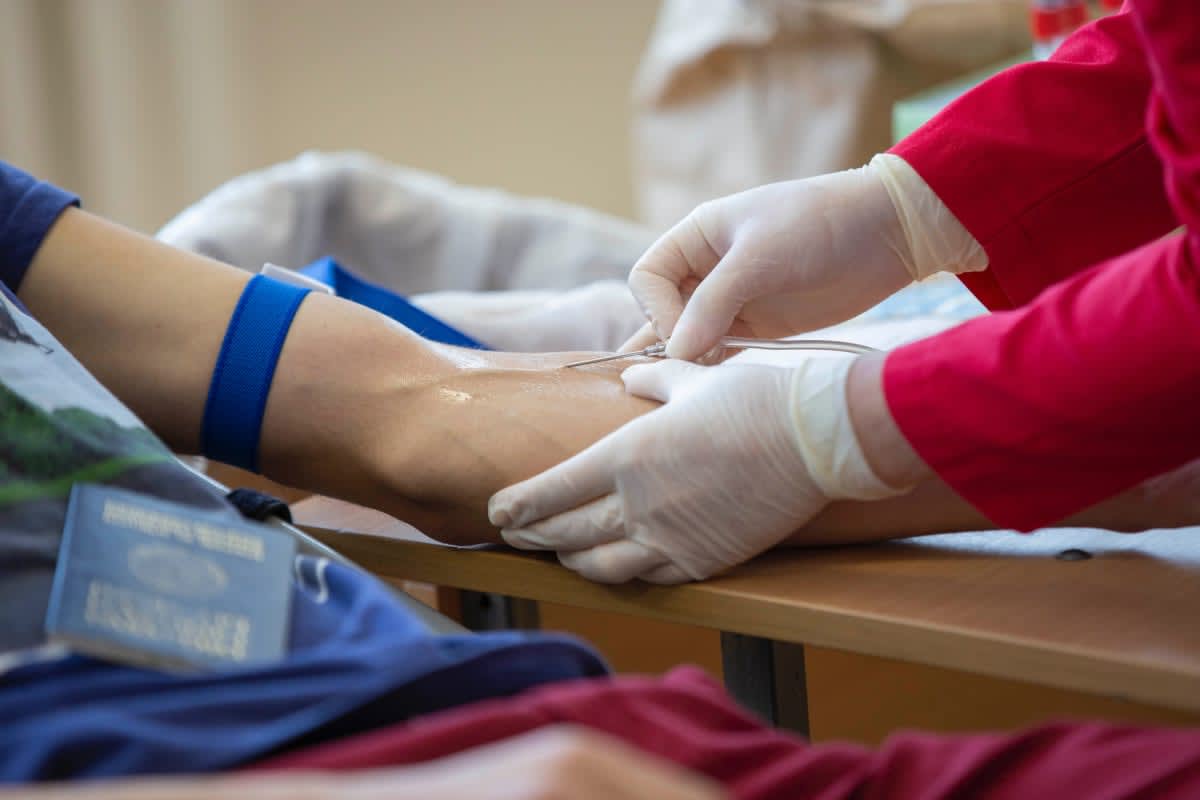
Doctors at critical crossroads
She noted that about 1 in 7 patients entering the hospitals need a blood transfusion. Without any immediate turnaround, she warned that "doctors will have to make really difficult decisions about who receives blood and who has to wait." The Red Cross can't stockpile blood in advance. After all, it has a short shelf life. Donated blood has to be used within 42 days because blood cells degrade over time. That said, this shortage is the result of a combination of factors.

Disruption in collections
The emergency has been triggered by an unprecedented drop in donor participation over the summer months, which has reached a four-year low. Officials attribute this decline to a combination of environmental and health disruptions. These factors include widespread heat waves, severe air quality advisories, and an increase in seasonal foodborne illnesses, all of which have kept potential donors at home. In fact, the United States isn't the only country to be affected by this, as blood supplies in Canada have also declined by 20% since June.
The call for action
That said, to reverse the deficit before emergency care is compromised, health officials are urging people to participate in donation camps. Merrill noted that resolving the shortfall requires only three more donors to come to each drive over the next month or so to stabilize the nationwide reserves. While the focus remains on stocking Type O-positive blood, all types of blood collection will be vital for the country over the next few weeks, as the Red Cross hopes to pull the country out of this massive slump as soon as possible.
Gravity of the situation
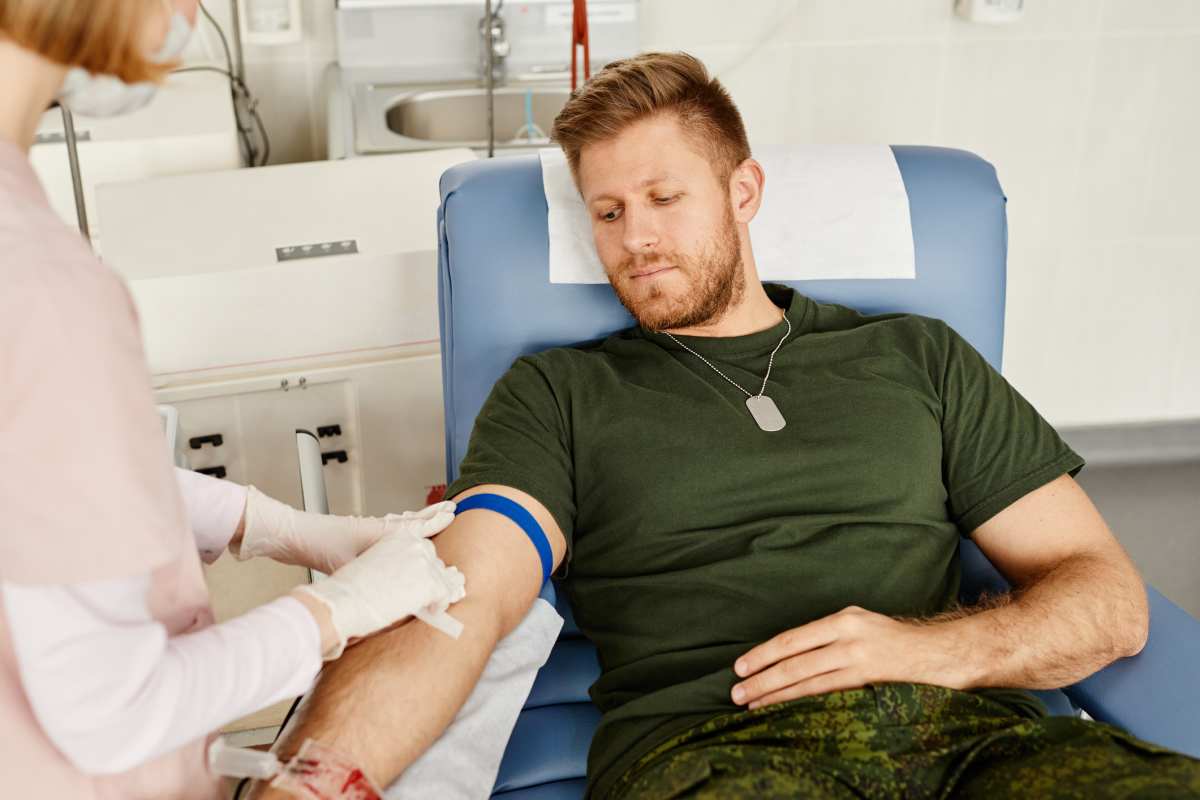
To put it more into context, why this is a concerning problem: every two seconds, someone needs blood in the U.S., according to the American Red Cross. Furthermore, approximately 29,000 units of red blood cells are required every day, while around 5,000 units of platelets and 6,500 units of plasma are used daily. Despite this, only about 3% of age-eligible people donate blood every year. This goes to show that there's a lot of room for improvement in this regard, even more so with how the current situation is across the country.
The internet is divided
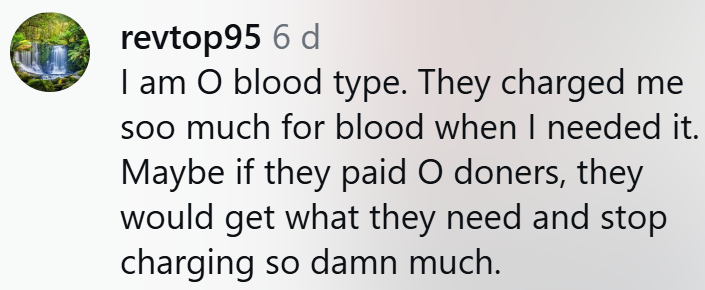

Well, that being said, people seem skeptical of the situation. In a video regarding the issue posted by NBCLA (@nbcla) on 28 July 2026, they raised their voice. @claybecker wrote, "If they actually paid people and didn’t make them give it for free, and then they get to sell for a huge profit, people may reconsider?" Meanwhile, @lamonte9905 commented, "Start paying people for blood donations just like plasma centers do, and you would not have an issue."
More on Scoop Upworthy
American Red Cross is handing out Snoopy t-shirts to blood donors: 'Be cool. Give blood'
She couldn't stand her teacher as a kid, then saw his plea for a kidney donor
No one asked Jesse Eisenberg to donate a kidney. Here's why he did it anyway
 Share on Facebook