Disheartened child wasn't invited to his friend's birthday party. His mom refused to console him, but asked one important question
Carol didn't text the friend's mom. She didn't even try to console her son. Her unconventional response is being praised by parents worldwide

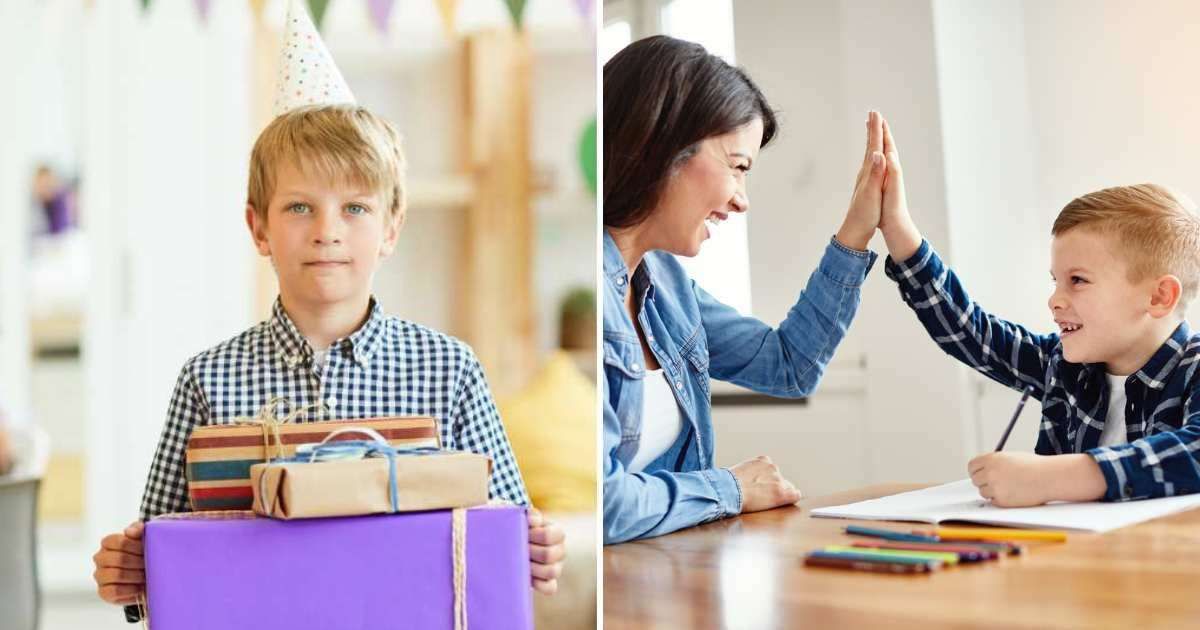
A child’s silence can convey a lot of meaning, if only you pay attention. When Carol (@mom.outofoffice)’s son came home from school one day, she could just tell something was off about him. His silence wasn’t the kind that indicated simple tiredness, but one that signaled a very deep hurt. Turns out the kid had found out his friend hadn’t invited him to their birthday party. In an April 13 post on Instagram, Carol shared how she chose an unconventional response to pull her son out of this upsetting mental state.
When her son finally opened up to her and revealed the reason for being upset, Carol’s first instinct was what most parents have. She wanted to put the friend down, but she chose to deal with the situation in a more conscious way. Instead of jumping to fix it, she stayed calm and curious "because when you’re a kid and someone you actually like leaves you out, you don’t sit there thinking they’re missing out. You sit there wondering why you weren’t enough,” she explained.
Carol’s mind was crunching every possibility to give her child the best support. Knowing how she showed up in that moment would become the voice in his head as he grew up, Carol urged herself to remain steady. “If I panic, he learns rejection is a catastrophe. If I brush it off, he learns his feelings don’t matter. But if I stay calm, he learns he can get through hard things. And that he doesn’t have to figure them out alone,” she explained.
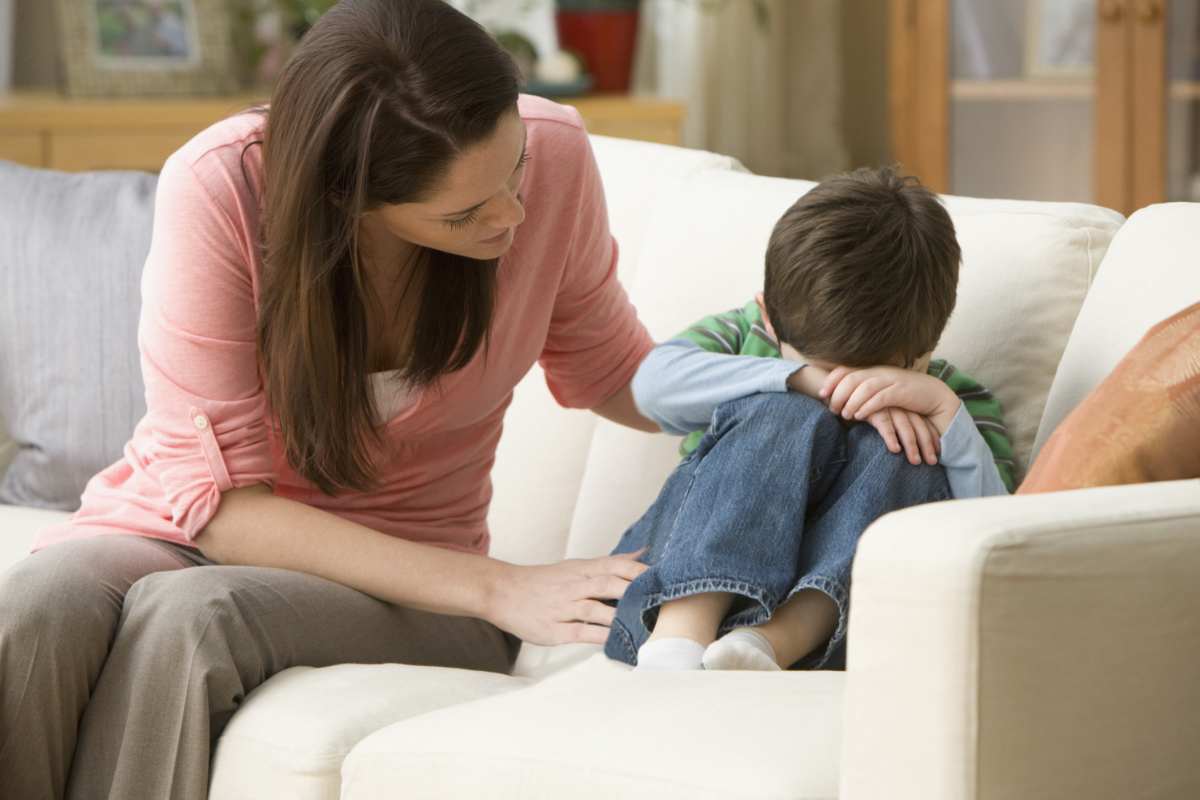
Instead of telling her son how his friend should feel, she asked how "he felt." She asked the kid to name people in his school who make him feel good, who he feels relaxed around, and who are kind to him. The idea was to shift his focus from what he lost to what he already had so he wouldn’t end up centering his identity on a tunnel vision of rejection. Eventually, the mother saw what she had intended all along; something in the boy started to shift. And to her astonishment, he moved on faster than she had expected, something she will never take for granted.

According to research published in the Journal of Cognition and Development, children aged 5 to 6 are aware enough to correctly identify when they are being excluded. Another report published by NIH states that exclusion can wreak severe emotional, behavioral, and academic consequences for the child. When rejection is internalized, it manifests as depression, social anxiety, loneliness, poor academic performance, and low self-esteem. When it is externalized, it takes the form of aggression and potential substance abuse in adulthood. Carol's intelligent choice in the moment is a brilliant anecdote for parents struggling with similar scenarios.
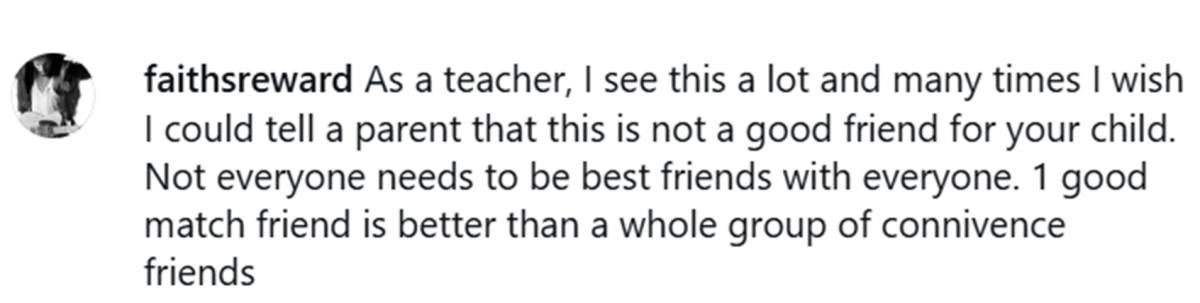

In the comments section, parents empathized with Carol, saying that her response should be added to every parenting playbook. @da_vida_lopez, a person in their 30s, joked by asking Carol to adopt them. @tmacjackson reflected that “The lack of an invitation is just information. Why would I want to be friends with someone who doesn't enjoy my company?” And as most reactions show, Carol’s response is a bag of golden insights for all those who are still climbing the ladder of parenting.
More on Scoop Upworthy
Boy displays amazing camaraderie as he consoles his opponent after defeating his team
Father with terminal cancer pieces together final life lesson to help daughter 'process' her grief
 Share on Facebook


