20 people watched as mom-of-three plunged into a flooded lake to save a stranger. Three days later, he showed up at her door
'Somebody, pull my hand, please,' she yelled from the water.

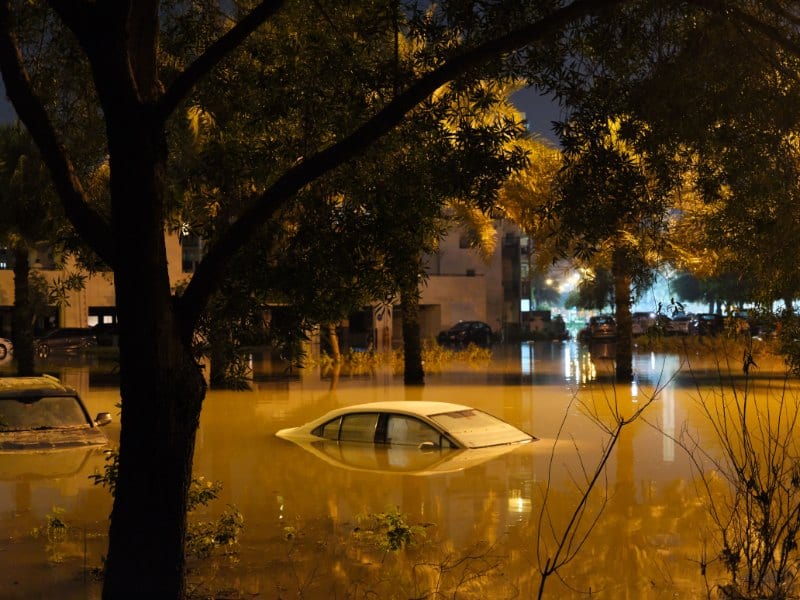
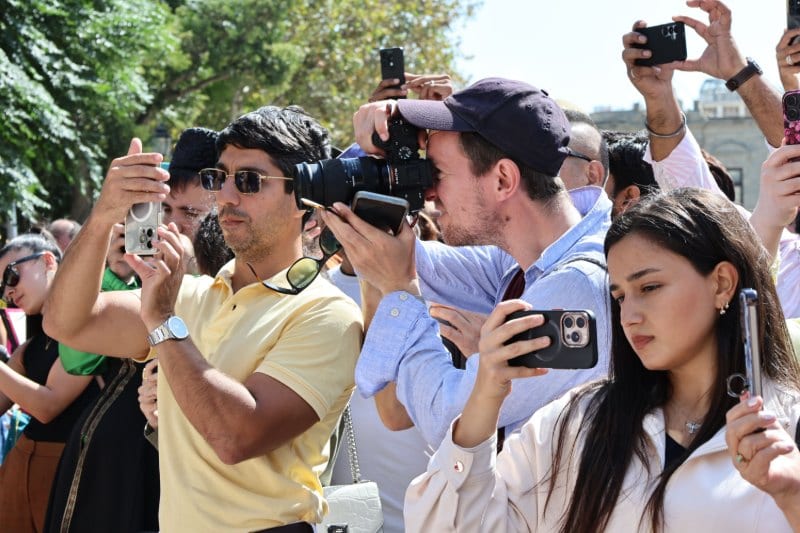
Nearly 20 pairs of dry eyes watched from the lakeshore while a man mistakenly drove his vehicle into the flooded lake, lit only by the dim lights of surrounding houses and a few outdoor lanterns. The vehicle soon submerged under the water, and the man was left gasping for breath. Nobody moved. That’s when West Palm Beach's mother of three, Annmarie Sanchez, jumped into the dark waters, despite not knowing whether crocodiles, alligators, or other hazards were in the water. As residents watched and recorded from shore, Sanchez decided to enter the water herself on Monday night, November 1, 2026, to rescue the drowning man. It took another pair of kind helping hands to get them both out, according to a November 6, 2026, report by WPBF 25 News.
She wasn't going to let him die
Sanchez described that Willow Pond Road was so flooded that the boundary between the road and the lake became blurred, so the man unknowingly drove his vehicle past the boundary line of the road. Residents first spotted the vehicle in the lake around 8 pm. It was Sanchez’s daughter who first saw it being driven into the lake. She then ran to the spot to see if she could help the victim. She noticed that many residents from the neighborhood were present on the scene, clicking photos, but no one dared to jump and rescue the drowning driver. So, she did. "I had no idea if there were crocodiles, alligators, or anything. I just kind of went for it. I wasn't going to let him die," Sanchez said.
A solo rescue operation
By the time she swam to the vehicle, it was nearly submerged in the lake waters. The driver was struggling to stay above the waterline. While Sanchez held on to the man, it became challenging for her, so she screamed for help. "Somebody, pull my hand, please,” she yelled from the water. For a few minutes, nobody came. "That was very frustrating, and it made me feel, kind of, like, very inhumane," she described. She was just about to give up when she noticed someone swimming towards them. "I have him by the arm. I can't keep up," she was heard saying in a video. A woman swam out to them and helped them reach the shore.
Bystander effect
Psychologists have long studied the “bystander effect,” the idea that people may be less likely to help when others are present. But real-world research has complicated that picture. A study of 219 public conflicts captured on surveillance cameras across the UK, Netherlands and South Africa found that in about 9 out of 10 incidents, at least one bystander stepped in to help — and often several did.
Grateful for her courage
In the case in point, the story didn’t end with Sanchez saving a life. Three days after the incident, on a Thursday afternoon, Sanchez received a guest in her house. "I was so happy to see his face," Sanchez said, describing him as Bill, the man she saved on Monday night. "We hugged. That's the first thing that we did." While Sanchez expressed relief on seeing him, Bill expressed his gratitude. “Thank you for having the courage to jump in when nobody else did. Thank you for saving me,” he told her. Sanchez humbly replied, “I just couldn't sit there and let a stranger die in front of me and not do anything.” Looking ahead, Sanchez hopes to stay in touch with Bill and is actively looking for the woman who saved both of them.
More on Scoop Upworthy
Australian journalist abandons flood report to rescue driver from sinking car just in time
 Share on Facebook