Buried in snow, this skier was on his last prayer when his wife had a 'gut feeling' miles away
Harris dearly hoped to stay near the surface, but the surge dragged him further down into what he described as a small 'snow hole.'


Sometimes, the only thing that matters in a life-or-death situation is the thought of your loved ones waiting for you at home. For skier Michael Harris, those exact thoughts filled his mind after an avalanche buried him deep beneath the snow on February 26, at Stevens Pass Ski Resort in Washington State, USA. Fox 13 Seattle (@fox13seattle) reported how he was unable to move or reach for the devices on him, and exactly when he thought all hopes were gone after four hours of being stuck, technology and a worried wife’s instinct led rescuers straight to him.
It was just another skiing trip for avid skier Michael Harris as he headed down the familiar slopes of Big Chief Bowl at Stevens Pass. Since he had skied through the snow-covered mountains many times, nothing about the moment felt unusual. However, that notion would change within a few seconds when the snow beneath him suddenly gave way. “Because I was on skis, I got caught between two slabs,” Harris later recalled. Realizing he had been pulled into an avalanche was nothing short of terrifying, and out of sheer panic, he did everything to fight the rushing snow. He dearly hoped to stay near the surface, but the surge dragged him further down into what he described as a small “snow hole.”
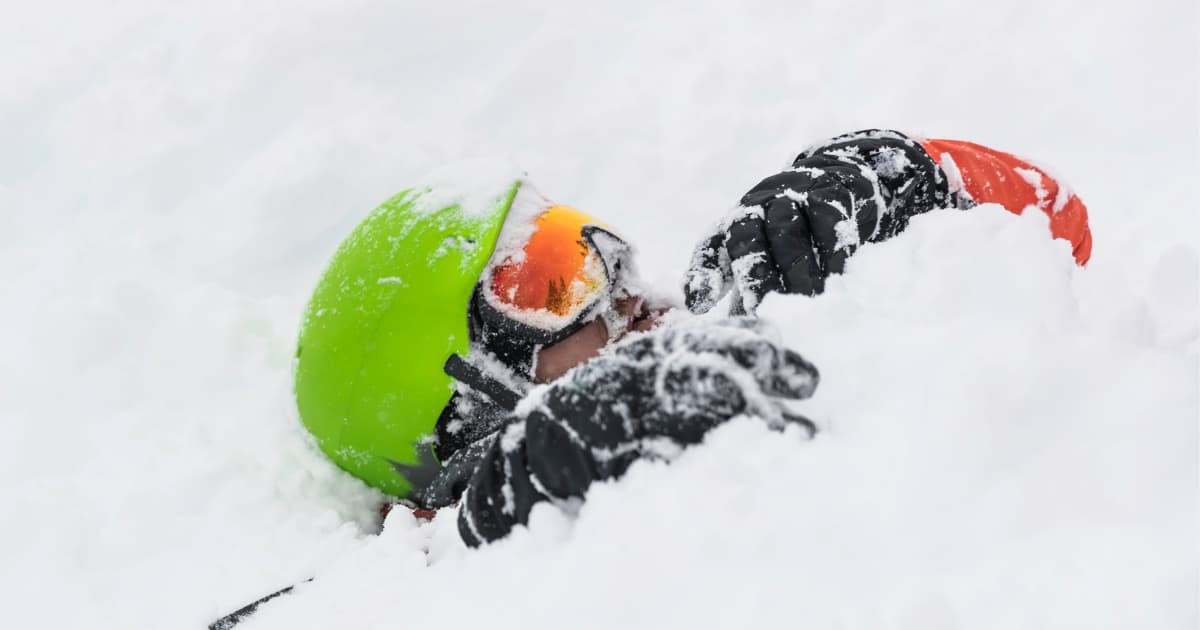
“The sensation was like being encased in cement,” said Harris, and added he could barely move. Although he had every means to contact the outside world with his phone in his pocket and an Apple Watch resting on his wrist, frozen hands made it impossible to reach either. His despair worsened when he faintly felt the vibration of his phone ringing against his heart. Harris also informed that he is a religious guy, and while he waited, he asked God how he was in trouble and wondered whether anyone knew where he was. Now, whether it was God or sheer coincidence, his wife Penny suddenly began to feel uneasy from miles away when she couldn’t reach him. So, trusting her wifely instincts, she opened her Find My iPhone application and saw that her husband’s location pin hadn’t moved in a long time. She immediately called the ski patrol and even drove up to Stevens Pass to meet them.

Harris’s experience also reflects what experts say about avalanche survival today. A study from the European Academy of Bozen/Bolzano (Eurac Research) found survival rates have improved from 43.5% before 1990 to about 53.5% today. Long-burial survival has also increased from 2.6 % to 7.3%, while average rescue time has dropped from 45 minutes to 25. Researchers credit modern tools like avalanche transceivers and faster rescue teams. However, after this incident, features like Find My iPhone on today’s smartphones could also be added to that list.

That discovery was fundamental for the rescuers to reach Harris and give him a “second chance at life”. After being found several feet under the snow, the skier had to be taken to the hospital for hypothermia and a broken bone. Now his family has opened a fundraiser to help fund his medical bills. And as he recovers the skier couldn’t be more thankful to the latest technology but also his wife’s astute intuition, saying he if it weren’t for the two, he might not be here today.
More on Scoop Upworthy
60-year-old saves two brothers by pushing them out of helicopter during deadly avalanche
Family headed to beach vacation spends harrowing night trapped in forest after using Google Maps
 Share on Facebook