Scientists inserted a human language gene into mice and they started 'talking' differently
A small genetic tweak has helped researchers find a major piece of the human history puzzle


An evolutionary gap separates us, modern humans, from every other creature on this earth: our capacity for intricate, spoken language. For decades, biologists searched for the exact genetic switch that triggered this linguistic leap but couldn't find the answer, until researchers at Rockefeller University finally made a breakthrough, according to IFL Science on June 6, 2026. In their 2025 study, these scientists inserted what's known as the human language gene into mice, and the genetic tweak has yielded unexpected results.
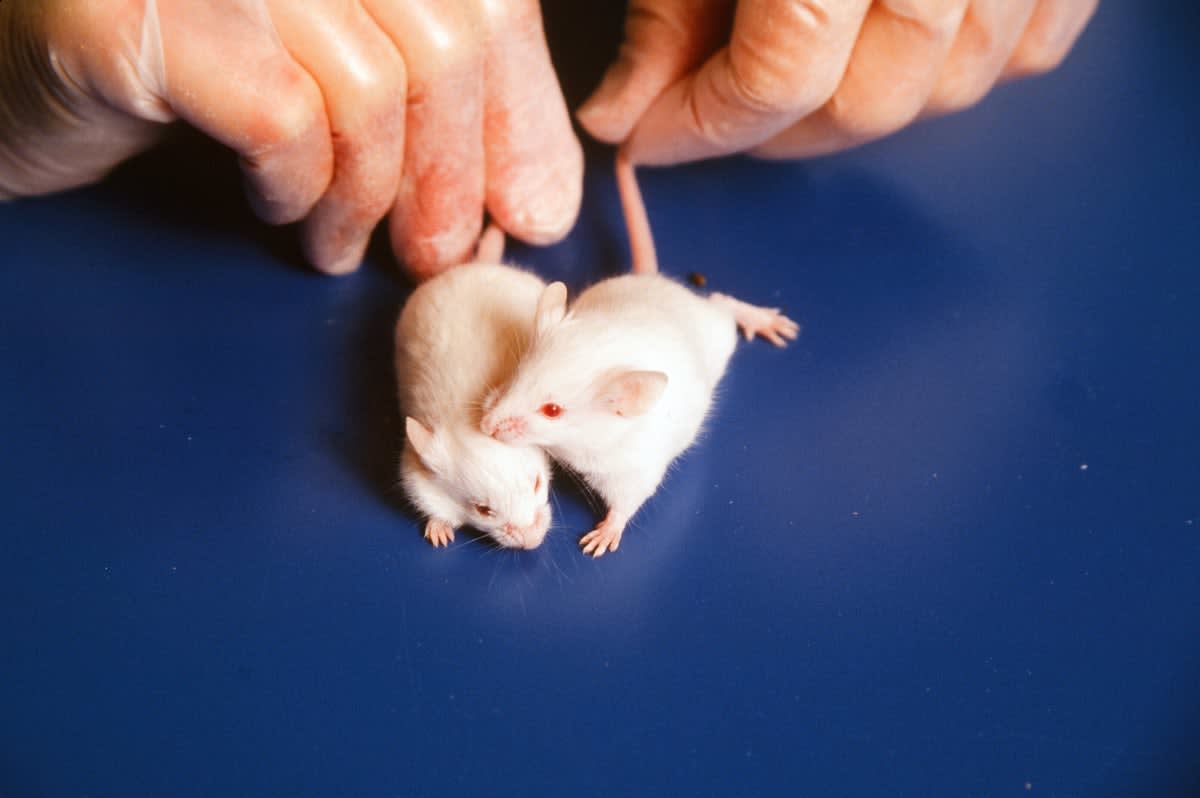
Introducing the NOVA1 gene
The research focused on the NOVA1 gene, which plays a key role in complex vocal communication, among other functions. To test its impact, researchers inserted the human version of the gene into mice. The seemingly small genetic change produced noticeable effects. For one, the modified mice emitted higher-pitched vocalizations when calling for their mothers. But that was only the beginning.
Mice started using different patterns
These little mice also used a different vocal pattern rather than their traditional one. Under normal circumstances, these mice used ultrasonic sounds categorized into four categories: S, D, U, and M. However, with the introduction of this gene, these letters changed. Additionally, once grown up, these mice produced more intricate vocalizations than the other normal mice to lure a partner. "The human-variant mice produced different sequences than the wild-type mice did," Dr. Erich Jarvis, a neuroscientist at Rockefeller University and co-author of the study, said, as per ZME Science.
What does it tell us about human evolution?
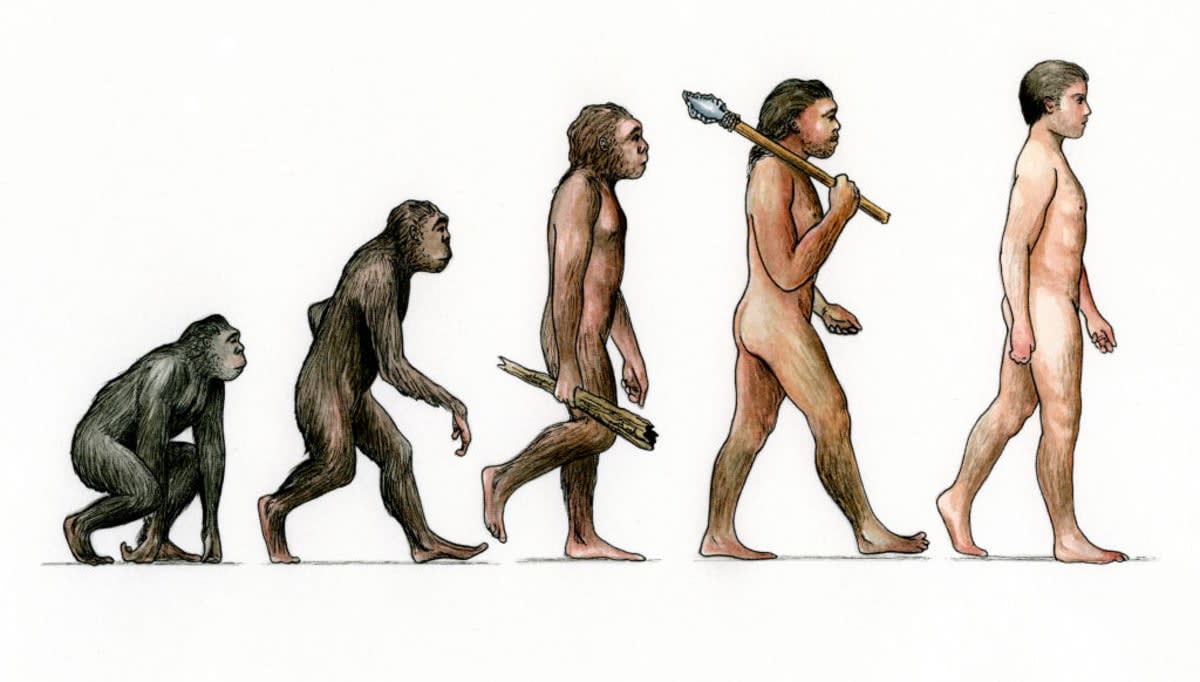
While these results seem quite interesting, the one question that remains is about how this helps researchers study human evolution. Well, as it turns out, even though NOVA1 is present in several other animals, the human version contains a tiny I197V acid change, which is absent in Neanderthals and Denisovans. So, researchers believe that this slight difference might be the X factor that helped us gain a massive linguistic advantage over time compared to other species.
"We thought, wow. We did not expect that. It was one of those really surprising moments in science," said Professor Robert Darnell.
If true, it could help save millions of lives
Although there's still a lot unknown about the NOVA1 gene, there's a strong possibility it could help cure some of the issues. By knowing more about this, scientists could help develop new and better treatments for speech disorders, developmental delays, and language impairments caused by stroke or other neurodegenerative diseases. Developmental Language Disorder (DLD) is prevalent, with about 8% of primary school children being affected by it. This has a lasting impact on children, according to Cambridge. So, if NOVA1 can help with treating diseases, it will certainly help these children.
'Do it with a parrot now'


The study was also explained by Anton Petrov (@AntonPetrov) on YouTube, and people also shared their thoughts on this study's findings. @the moonsthree11 noted, "It would be more interesting to splice the language gene into chicks of birds that already 'talk', like a parrot." @Hanging_Brain commented, "Damn, those mice got intelligent, got depressed, and didn't care enough to be curious anymore."
More on Scoop Upworthy
Study reveals how a brand new 'language' is gradually developing in the United States
The brain speaks a secret language scientists are only now beginning to understand
Research reveals the first-ever language spoken by the people of North America
 Share on Facebook