Margaret Atwood wrote a book you won't be able to read until 2114
'There's something magical about the idea of books slumbering like Sleeping Beauty for 100 years,' Atwood remarked.


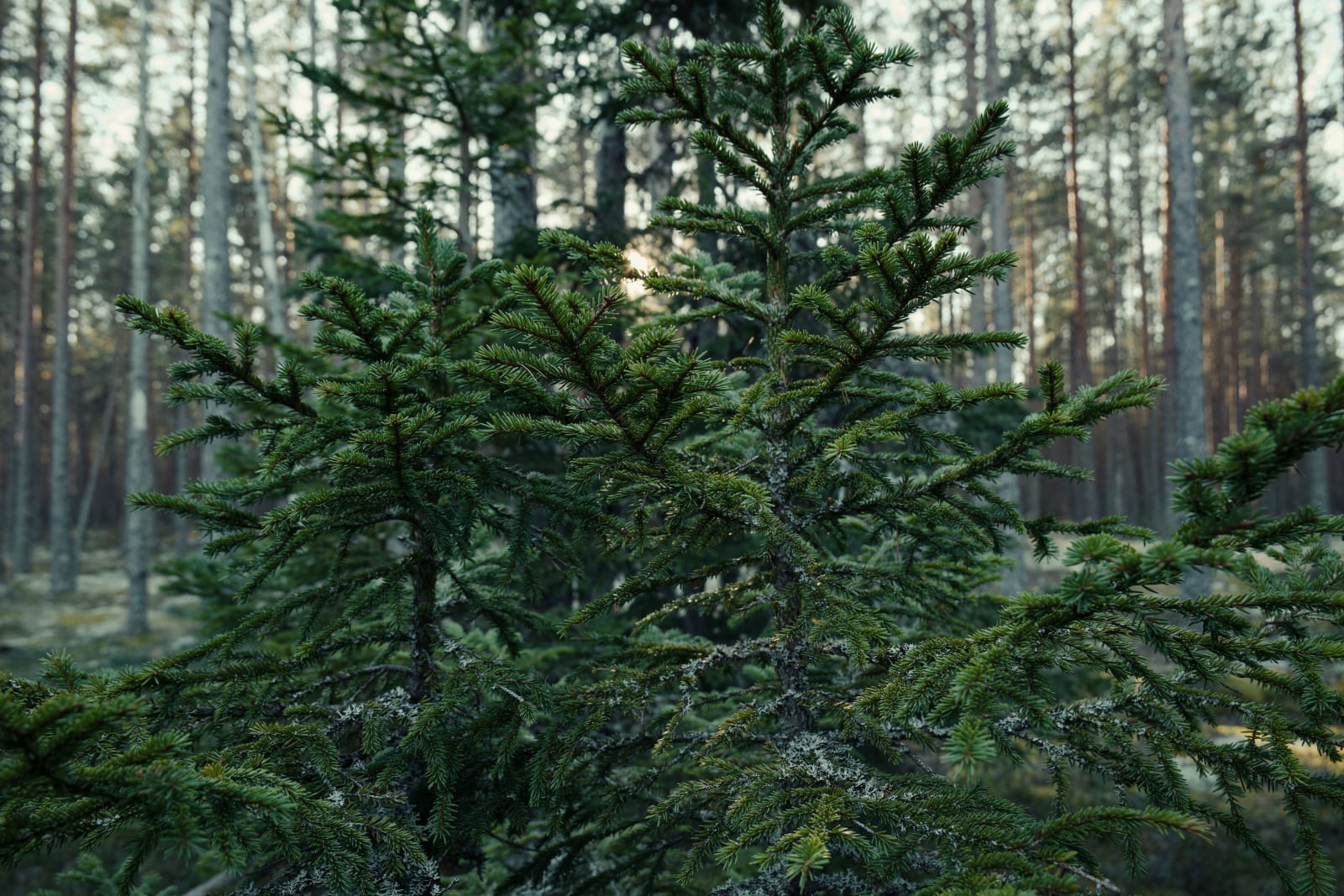
Deep in the serene forests just outside Oslo, Norway, an extraordinary time capsule is taking root to preserve human storytelling for generations to come. A forest of 1,000 spruce trees was planted to eventually provide the paper for an exclusive 100-text anthology archive that nobody alive today will likely ever read. It involves sealed vaults, world-renowned authors, and a pact designed to span generations. This extraordinary project is called Future Library.
A Sealed Literary Pact
This idea was dreamed up by Scottish artist Katie Paterson; the project weaves nature and literature together into a single growing artwork. "The rings in the tree appeared to me as chapters, as if the tree was growing a book," Paterson explained, adding, "And so the forest, growing over time, becomes a library". The plot centers around 1,000 newly planted spruce trees and an exclusive registry of literary icons, including The Handmaid's Tale author Margaret Atwood and novelist Amitav Ghosh. Year after year, a single writer is chosen to craft a brand-new, top-secret manuscript. The catch? They are sworn to complete secrecy, and no one- not even the project’s creator, the publishers, or the authors' own families is permitted to read a single word of what was written.

The 100-year secret we'll never know
Here is the big reveal: the trees planted in that Norwegian forest are destined to be harvested in the year 2114 to produce the paper for an anthology of 100 texts. Until that distant date, the manuscripts collected over the century will remain unread until 2114 within the "Silent Room", a custom wooden vault built inside Oslo's Deichman Bjørvika public library. When iconic Handmaid’s Tale author Margaret Atwood was chosen as the very first contributor, she felt an instant connection to the premise. Calling the project "delicious," Atwood noted that it felt like Sleeping Beauty.
"There's something magical about the idea of books slumbering like Sleeping Beauty for 100 years," she remarked, "and then they'll wake up, come to life again". As authors hand over their sealed pages each spring, the project asks a profound question: will readers a century from now still care about the written word?
How America Reads Today
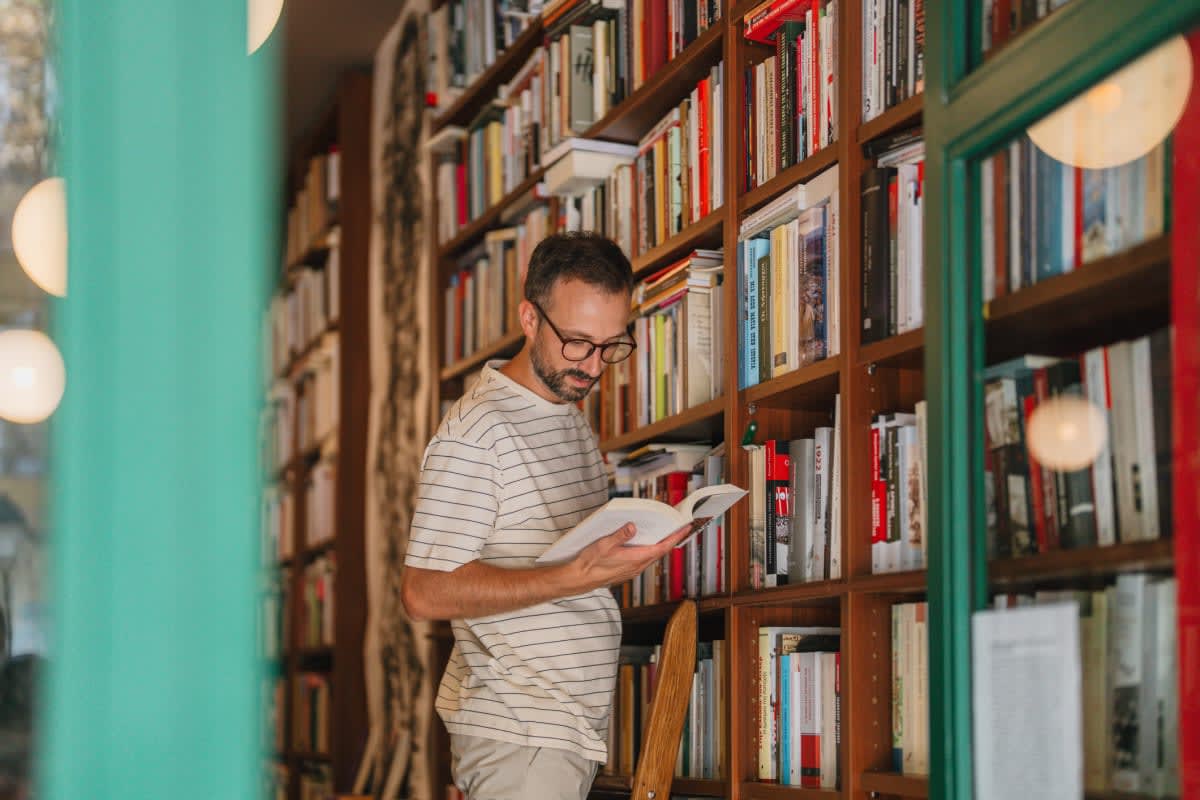
Future Library is built around the belief that physical books and readers will still exist a century from now. For now, print remains the most widely used book format in the United States. A 2025 Pew Research Center survey found that 64% of U.S. adults had read a print book in the previous year, compared with 31% who had read an e-book and 26% who had listened to an audiobook. Overall, three-quarters of adults had read at least part of a book in any format.
At the same time, reading occupies a relatively small part of the average day. Bureau of Labor Statistics data shows that Americans age 15 and older spent an average of about 16 minutes a day reading for personal interest in 2025. Whether those habits survive another 88 years is exactly the kind of question Future Library was designed to leave unanswered.
More on Scoop Upworthy
Writer spent 22 years in prison before DNA evidence freed him, then his story reached Broadway
 Share on Facebook


