Farmer saw a thirsty buffalo waiting under a dried-up waterfall. So he took matters into his own hands
It all started in 2016 when Mwalua visited a waterfall and noticed a buffalo sniffing for a drop of water in an empty waterhole

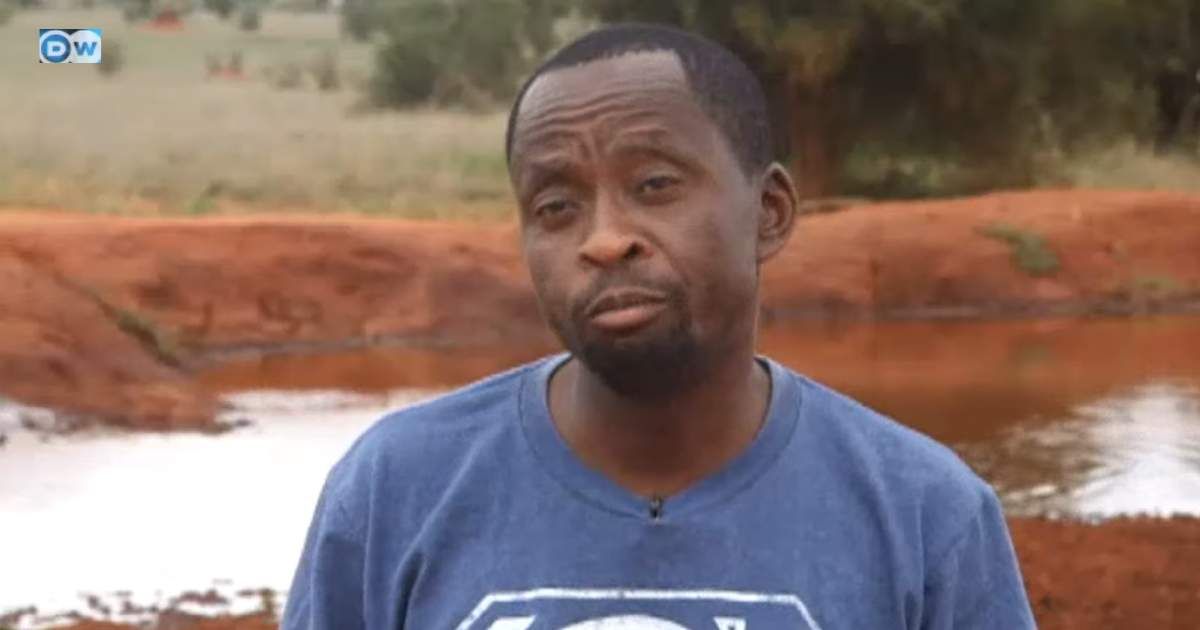
Before Patrick Kilonzo Mwalua passed away, he spent his life quenching the thirst of animals tormented by Africa's heat. Every day, he would drive long distances, hauling 3,000 gallons of water in his blue truck and delivering it to the thirsty wildlife that awaited him near the waterholes. He assisted in the drilling of waterholes, and his only relief was watching these creatures drink the precious elixir of life in Tsavo West National Park. His initiative and love for wildlife earned him the title "Water Man of Tsavo," according to Mongabay and the story he described in a YouTube video.
Heartbreaking sight
It all started in 2016 when Mwalua visited a waterfall and noticed a buffalo sniffing for a drop of water in an empty waterhole. He knew that something was wrong in the area, and he needed to do something about it. The same day he went home, brought the blue truck, and started his journey to help the thirsty animals. The rumble and roar of his truck became a signal for the animals to get excited and gather around to sip cool water. "...the initiative became too big, and many people started supporting me, and apart from just taking water to the waterholes, I started making more waterholes, and dams... to have more water resources in the park," Mwalua explained.
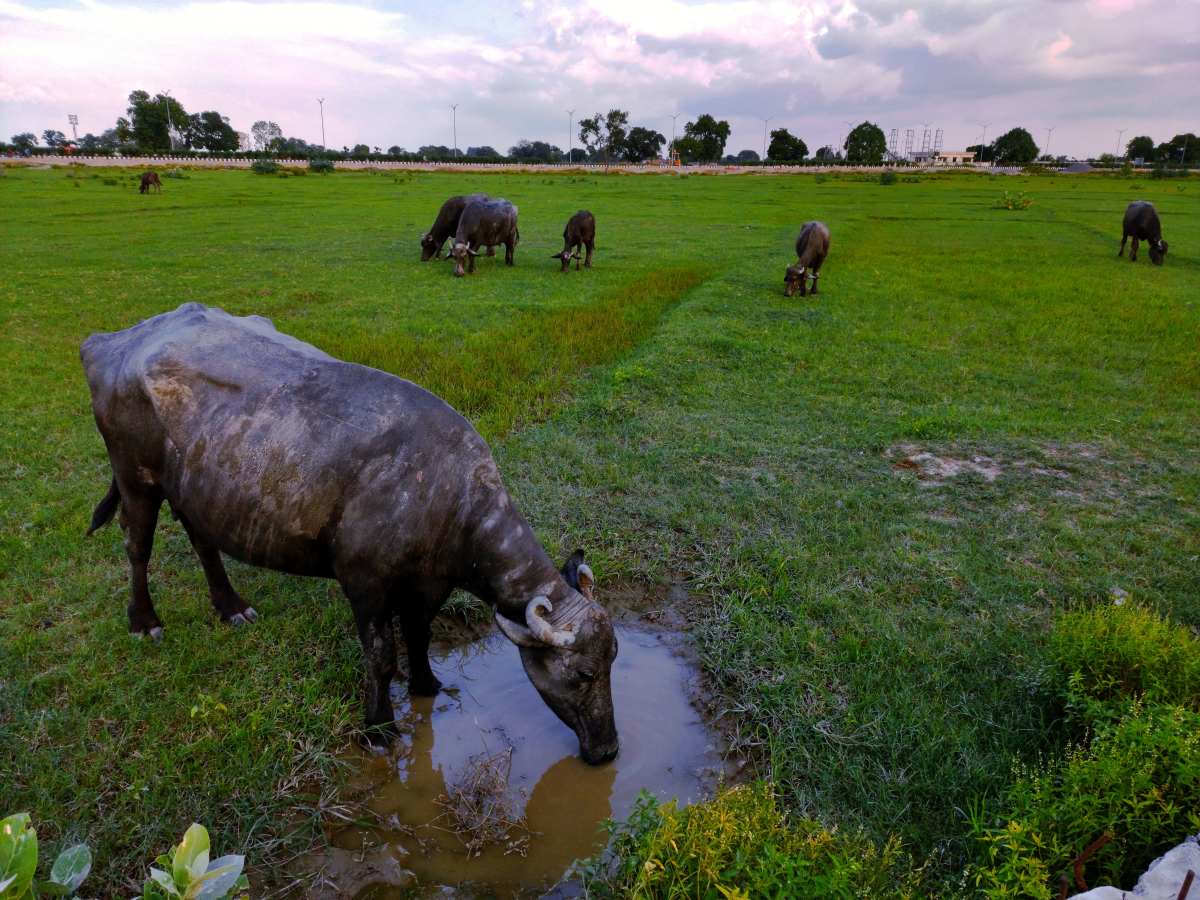
The little celebration
With the help of the management, Mwalua drove for hours every single day to bring water to the gasping beasts. He also dug up more than 20 waterholes where the animals waited eagerly to quench their thirst. "Even before I finish delivering the water, the animals are already converging in the water hole,” Mwalua described, according to UNESCO and a video shared by @rainmaker1973 on X.
The story of "water man" Patrick Mwalua, the man who has been buying and transporting water for long distances to Tsavo West National Park to quench wild animals' thirst.pic.twitter.com/V6wZqsaVl2
— Massimo (@Rainmaker1973) November 23, 2024
'It's a great joy quenching their thirst.'
"It’s a great joy to see animals running to the water holes and quenching their thirst,” Mwalua confessed. His passion led him to establish The Mwalua Wildlife Trust, where his team initiated vigorous efforts to create two water pans, 20 mud waterholes, sunflower fields, and solar water panels capable of pumping 60,000 liters (15850.323 gallons) of water per day. A few years into the work, Mwalua also set up a GoFundMe page to raise funds for the project. Donations arrived from as far away as Vermont and Utah and have since raised $451,463 of the $500,000 goal. As his efforts came to public attention, he also received recognition from the President of Kenya.
Mwalua reflected that it’s the responsibility of human beings to restore and replenish the planet Earth. “People have to change their mindset. We have to do something better than what we’re doing now, so the animals cannot suffer again because of us,” he added. Years later, even though his trucks started rusting away and his kidneys failed, his efforts continued. With a dialysis bag tethered to his wheelchair, he coordinated deliveries and answered phone calls from his hospital bed. In June 2024, a prolonged kidney failure led to his death. In a June 2025 Facebook post, his widow, Rachel, announced that she would continue his legacy by working with the Tsavo Wildlife Trust.
A lifeline for the wild
In 2022 alone, Tsavo Trust reported that 109 elephants were killed due to drought. According to Biological Conservation, their number plunged from 35,000 in 1974 to below 12,000 in 2011. However, as rains became less frequent and droughts more prolonged between 2007 and 2009, the number of species such as wildebeest (Connochaetes taurinus) declined by over 50%. For Mwalua, however, it was much more than just a responsibility. It was love. “This is what I am destined to do,” he said at that time. “It’s just like a drop in the ocean, but I want to give other people hope that everything is possible if we decide to change," Mwalua added.
More on Scoop Upworthy
Dozens of watermelons squashed in transit were donated to a wildlife rescue to hydrate animals
An elk was stuck in a tire for two years. Wildlife rangers finally freed him after many tries.
 Share on Facebook


