Scientists tested an 'anti-heartbreak' nasal spray on recently dumped boyfriend. The results caught them off guard
The man had just broken up with his girlfriend and had taken all the tablets in the pill bottle on impulse


10 years ago, a 26-year-old man stumbled into a hospital after swallowing an entire bottle of what he believed were antidepressants following a breakup. He appeared drowsy and pale before collapsing, but when a doctor checked his records, he discovered the pills weren’t antidepressants at all. As soon as the truth was revealed, the man suddenly stood up, wide awake. The case of this man was first documented in a 2007 study published in General Hospital Psychiatry. More recently, Dr. Barrie Stevenson (@bstevenson001) discussed this medical miracle in an Instagram video and reflected on how the mind can be used as an "anti-heartbreak" medicine.
Anti-heartbreak medicine
“Help me, I took all my pills,” the man told the doctors that day and slumped on the floor. Sweat was dripping from his skin, his body was trembling, his blood pressure dropped abnormally low, and his heart rate was 110 beats per minute. To revive him, the staff gave him six liters of saline solution over four hours. Nothing seemed to help control his racing blood pressure and heart rate. Turned out that this man was part of a trial study on drugs, and to suppress the pain after his breakup, he had taken 29 inert tablets on impulse, believing that they were active drugs.

One of the doctors checked his records and realized that the patient was on the placebo part of the research in which patients were selected at random without their knowledge and given pills that did nothing at all. He had been given sugar pills and not actual medication. All of a sudden, after knowing the truth, his symptoms disappeared, and his blood pressure went back to normal. This was what the researchers called the "nocebo effect.”.
Placebo's evil twin
The fact that it was a case of nocebo effect doesn’t imply that the man was faking his negative symptoms, but that because he "believed" that he had taken too many pills, he was having these effects on his body.
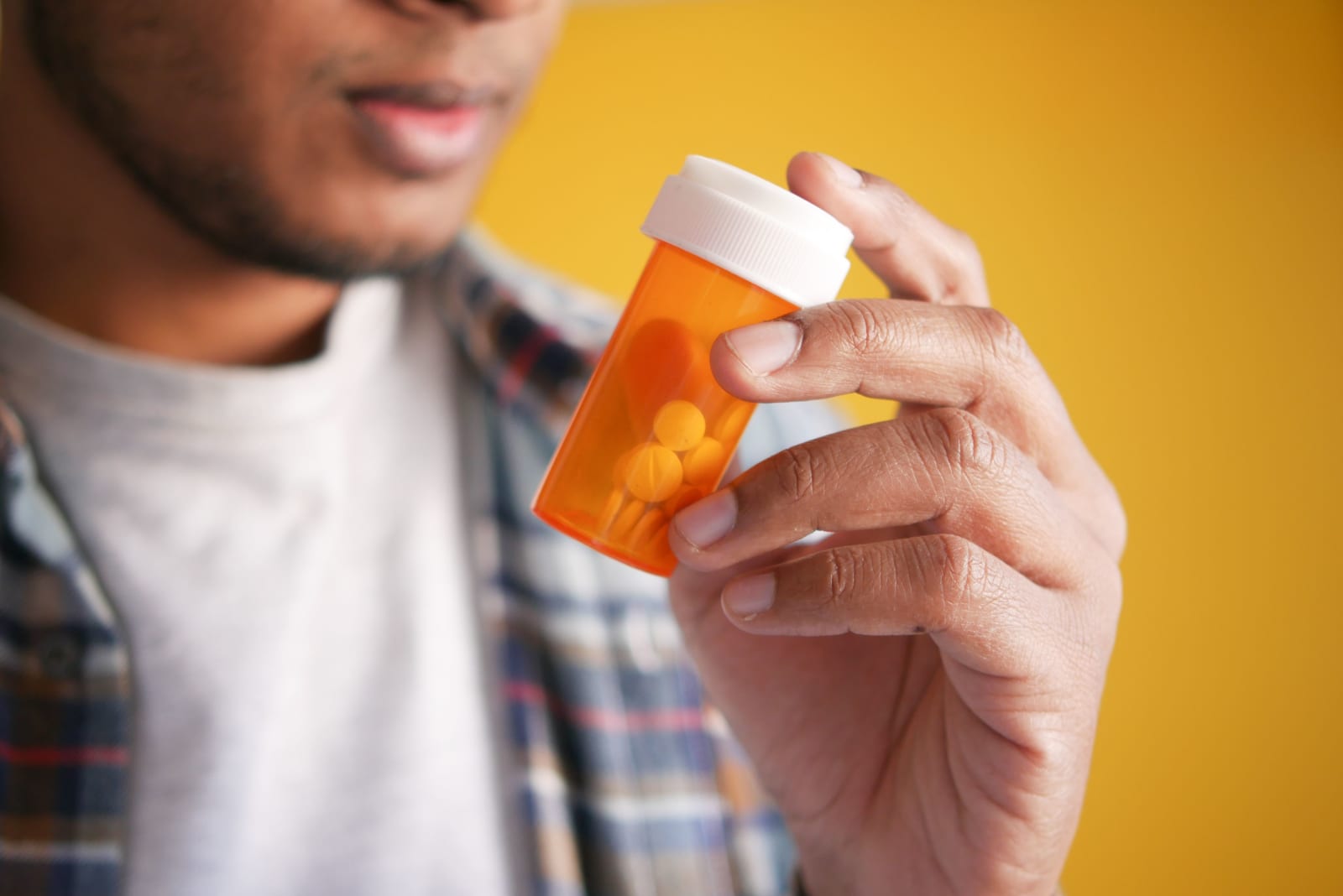
Robert Buckman, a clinical oncologist, revealed that placebo medicine works in at least a third of patients and sometimes in up to 60%, per a BMJ study. Another study published in Translational Medicine concluded that a person’s beliefs and expectations work, to a great extent, in determining their physiological states and symptoms. If they believe a medicine will give them pain, it gives them more pain. If they believe it will heal them, it does heal them.
In this case, the 26-year-old man experienced a sequence of nocebo effect followed by placebo effect. As long as he believed he had taken an overdose of drugs, he felt uneasy, but right when the doctor told him that the pills he had taken were not drugs, he started to heal and revive back to his normal physiological state.
Mind over matter


In Dr. Stevenson's video, viewers speculated on the fascinating effect the mind can have over matter. @ceceliainfrance commented, “This is excellent...just shows how terribly important it is to have good information, and a belief structure that allows us to understand the impact on our bodies! So interesting.” @graciegard quoted a line from Shakespeare’s Hamlet: “Nothing is either good nor bad, thinking makes it so.”
You can follow Barrie Stevenson (@bstevenson001) on Instagram for more thrilling medical stories.
More on Scoop Upworthy
 Share on Facebook