Werner Herzog walked for 600 miles in winter to save a dying friend in 1974
Werner Herzog, the German filmmaker, was determined that if he kept on walking, his friend Lotte Eisner would stay alive

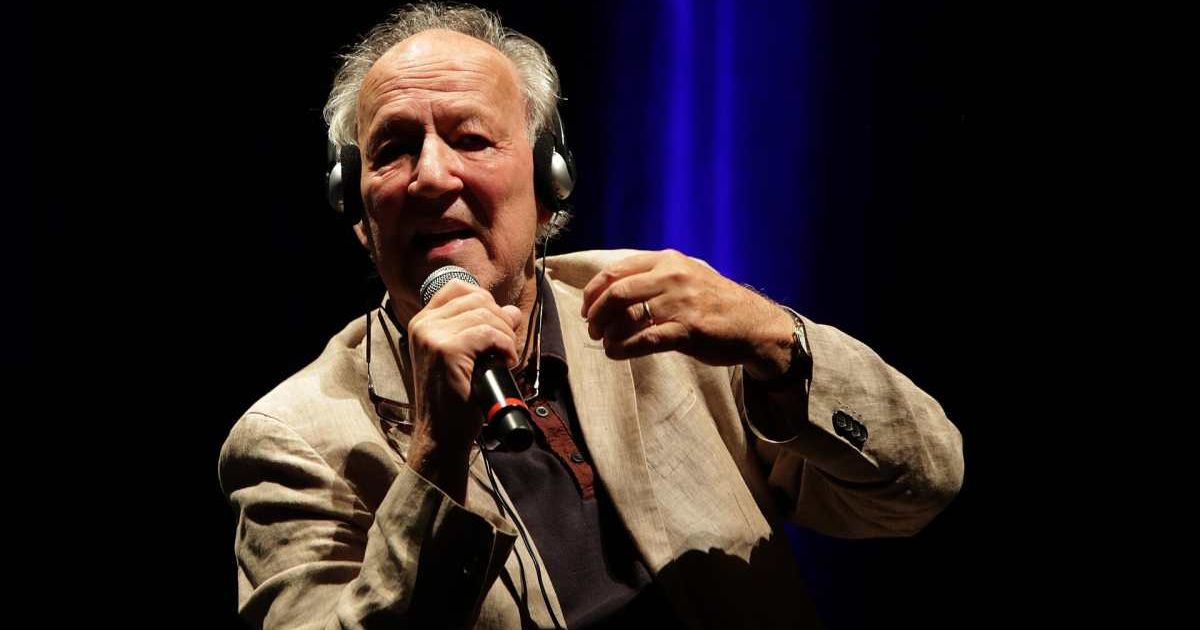
In the early winter of November 1974, German filmmaker Werner Herzog received a telephone call from Paris that informed her that his lifelong friend, Lotte Eisner, was dying. Herzog became convinced that walking from Munich to Paris to see her would somehow help her survive. Carrying a duffel bag, a compass, and a new pair of boots, he covered nearly 600 miles on foot through winter conditions to reach her. Four years later, he published his experience in “Of Walking In Ice,” which is part journal, part travelogue, and part dream record, as detailed by Slate. She lived for nine more years. In an interview with Levitt, Herzog admitted that Eisner ultimately told him she was "saturated of life." He recounts her saying, "'But there’s still this spell upon me that I must not die, that I’m not allowed to die.' And she looked at me and she said, 'Can you lift this spell?'" And so Herzog did.
Magical belief
The journey began with a magical belief. Herzog believed that Eisner would remain alive if he walked on foot. He visualized his connection to Eisner as a lifeline. As long as he continued walking, the line would persist and so would Eisner’s breaths. He imagined placing himself between Eisner and death and governing her lifeline with his actions. German cinema wouldn’t run without her now, he said. “Our Eisner mustn’t die; she will not die; I won’t permit it,” he said, as per BorderCrossings magazine. He believed that by suffering salvation, he could gain his friend’s life. “Besides,” he added, “I wanted to be alone with myself.”
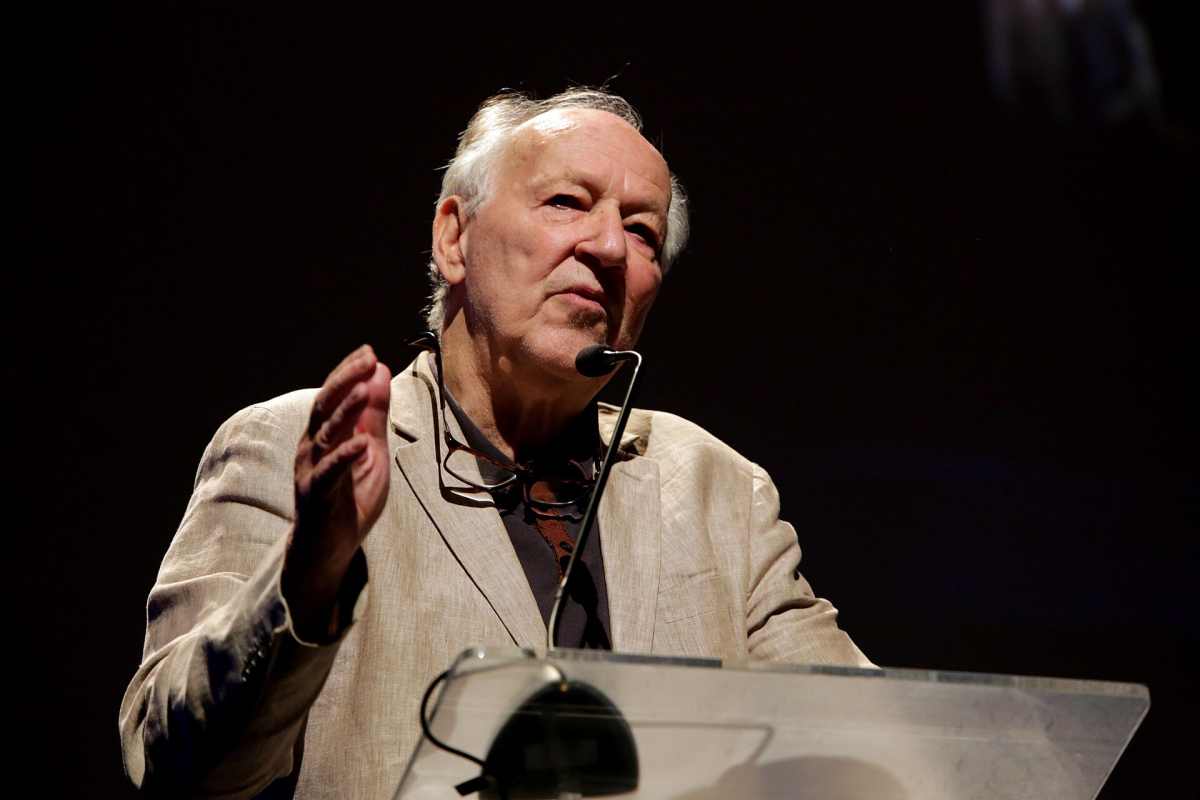
A man's determination to save his lifelong friend
Eisner was a film critic and a proponent of the German Expressionist film. Born in Berlin in 1896, she was also the first of the many women who admired Herzog’s work, including his first feature film, "Lebenszeichen." She said that the 1968 film was a “real German film” and that Herzog was responsible for reviving German film culture, something that was lost due to the Nazis. Being born Jewish, she sought refuge in France in 1933 and firmly supported Herzog’s craft. To save this jewel of a woman, who understood and felt his childhood myths, Herzog was determined to traverse the harrowing journey.
Surreal descriptions
Herzog’s journey, as people later reflected, was actually a metaphor for his passage through the shadowy space between life and death. He started it on November 23 and culminated it on December 14. In the book, he wrote vivid and poetic descriptions of everything he witnessed along the way, per Longreads. A forest that was “staring, vast and black and deathly, rigidly still”; “teenagers on mopeds”; “unharvested turnips”; raindrops falling from fir trees, his thighs steaming like a horse; small villages, cottages, cafes and inns, a lady’s almost new bicycle thrown into a brook, and whatnot.
The filmmaker noticed ravens croaking in the rolling fog, his boots causing blisters, eating bags and bags of tangerines, and drinking milk until he vomited. “My steps are firm,” Herzog wrote. “And now the earth trembles. When I move, a buffalo moves. When I rest, a mountain reposes.”
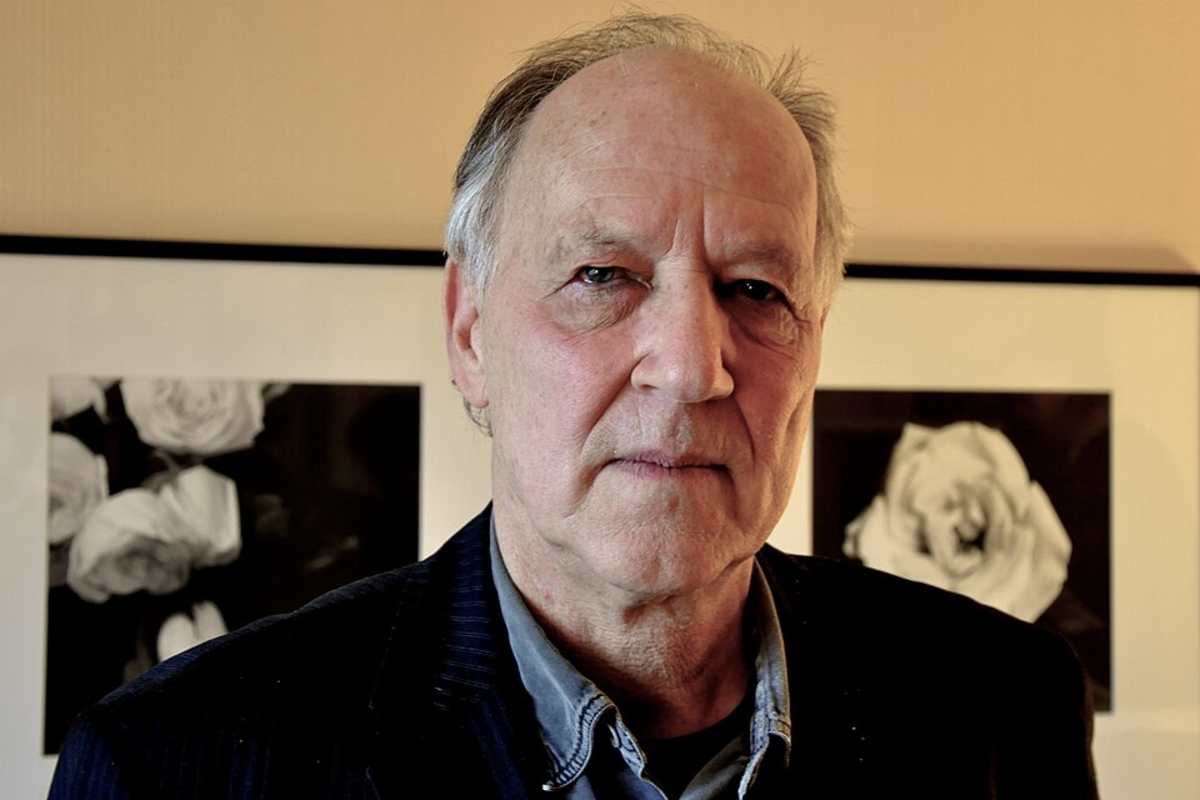
The world reveals itself to those who travel on foot
It took Herzog three weeks to finish the journey, and whether by magic or prayer, Eisen continued to live for nine more years, per Project Pedestrian. Even the most widely traveled on-foot pilgrimage, the Camino de Santiago pilgrimage, involves about 500 miles. In 2025, around 530,987 pilgrims traversed this distance. But Herzog crossed even this limit.
Ever since this episode, Herzog has been widely known for traveling on foot. He carries the entire household on his back, from tent to cooking utensils, floor mats, and sleeping bag. He knocks on people’s doors to fill his canteens, and they make him sit down and tell their stories, stories that would otherwise die with them, per National Geographic. Herzog fondly believes that “The world reveals itself to those who travel on foot.”
More on Scoop Upworthy
Adventurous 90-year-old grandma traveled around the world on her own
A reporter traveled 4,400 miles to ask John Cena one question. His answer left him in tears
A principal traveled 800 miles to visit all his 612 high school seniors to make them feel special
 Share on Facebook


.jpg)
