He tested a 100× zoom camera and then realized a wild animal in the distance was staring back at him
Without the 100x zoom camera, he would not have seen the animal with his naked eye


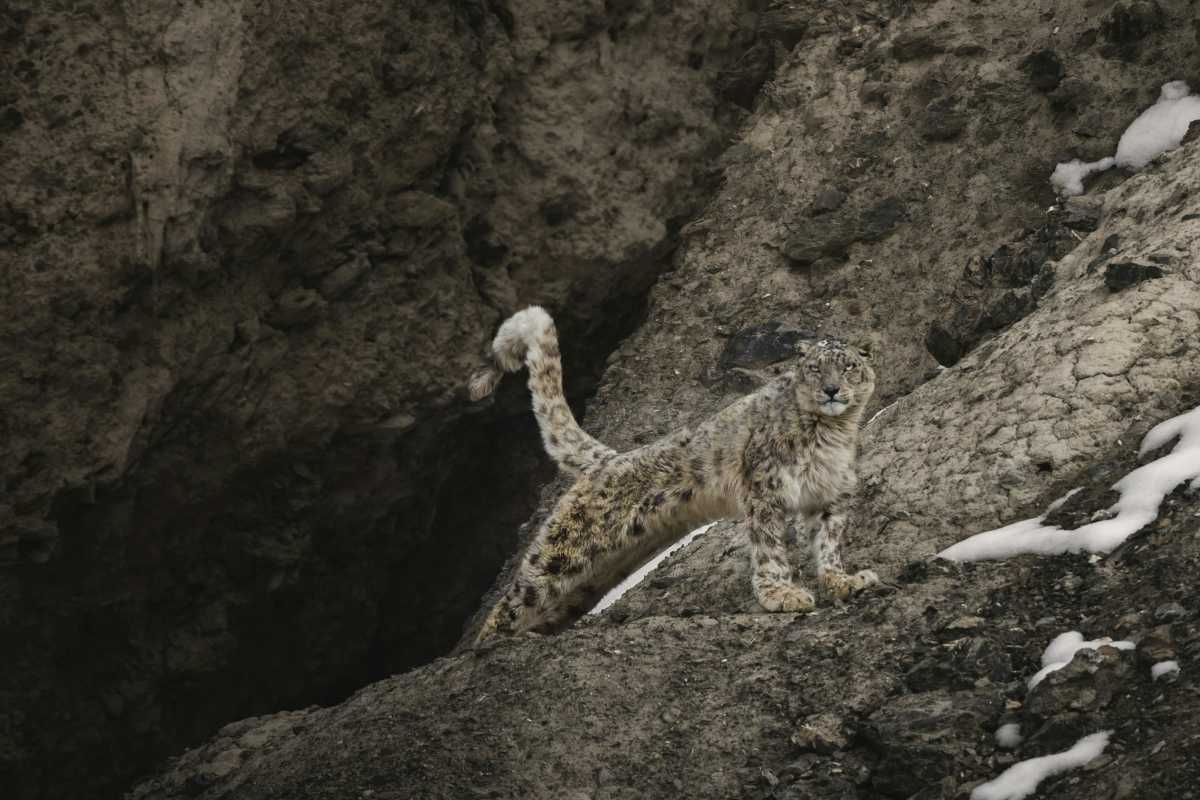
Modern camera equipment has become so advanced that it can capture minute details even from far-off distances. Wildlife photographer Hemant Dabi (@safariwithhemantdabi) used his leopard-tracking skills, combined with a 100x-zoom camera, to spot the big cat crouching on a distant hill, as reported by the Daily Dot. The deleted video was also shared on Reddit by a user (u/frog_insilence), and the moment when the leopard came into view was spine-chilling. The post was shared on May 5 and has received 76,000 upvotes and 668 comments to date.
When he zoomed in 100× he spotted the leopard only to realize it had been watching him the whole time
by u/frog_insilence in interestingasfuck
Prey or predator?
Dabi was somewhere in the wild, playing around with his camera's 100x zoom feature, when he pointed his camera at a hill and started zooming. From afar, it looked like he was taking photos and videos of a grassy hill, but when he focused the camera, a leopard came into view. The big cat was a couple of meters away, but the most shocking thing was that it was staring directly at Dabi. Without the camera's help, Dabi would not have spotted the animal with his naked eye. It left him wondering how many times he had gone looking for leopards, only to realize the predators may have been tracking him instead.
Dedication
Dabi's Instagram account is all about capturing leopards in their natural habitats. He showed his true dedication to his passion in one instance by staying a full 24 hours at the Jhalana–Amagarh Leopard Safari. He was there from 5:00 p.m. till 5:00 a.m. the next day, waiting for a shot of the leopard prowling in the dark. Dabi and fellow enthusiasts had to set up camps on top of tree branches and temple ruins.
They can jump higher than the tallest human alive
Leopards are known for their agility and can run up to 58km/h or 36.04mph. They can also jump as high as six meters through the air. For reference, that is the height of three adults standing one on top of the other. Despite their beauty and grace, leopards are still carnivorous animals with the instinct to hunt. In the village of Junnar, people reported at least an average of four leopard attacks every year.
In 2001, the forest department relocated 40 leopards that were captured. Instead of reducing the number of attacks, it rose from an average of four to 15 attacks a year. Additionally, a survey from the National Geographic Society revealed the different hazards 45 photographers encountered while shooting wild animals. 19 reported severe dehydration, six experienced broken ribs, and two were assaulted by the same Florida panther. Stories like this showed that wildlife photographers can capture beautiful shots, but are always in a high-risk environment.
Viewers are thrilled


People in the comments were impressed by the camera's zoom quality and the leopard's vision. Many talked about how Dabi would have reacted if the leopard started sprinting towards him. u/Mindless_Chef_3318 commented, "He's like bruh I see you." u/ChadEmpoleon humorously added, "That’s why the cameraman slowly turned it away at the end, trying to pass it off as, 'Just admiring the view.'"
You can follow Hemant Dabi (@safariwithhemantdabi) for more wildlife photos and videos.
More on Scoop Upworthy
Zoo officials offered a goat as 'live feed' but ended up becoming the tiger's best friend instead
There's a leopard hiding in this picture. How fast can you spot it?
Mama cheetah introduces friendly photographer to her adorable cubs: 'Found a babysitter
 Share on Facebook