Mothers were forced to walk beside speeding cars after grass swallowed their dirt road. Then one man noticed
Mark had often seen dogs getting hit by cars on busy roads along the overgrown vegetation. The thought of what could happen to the kids horrified him

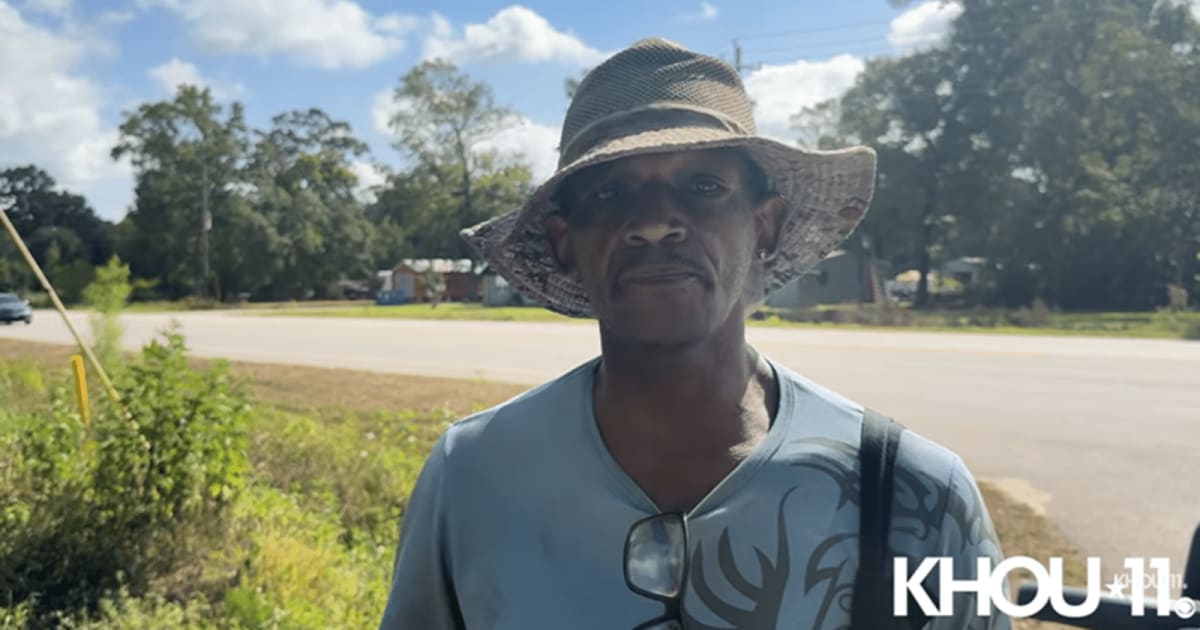
Mark Waters, a resident of a Houston Neighbourhood, regularly walked along the Deep Woods Trail between Conroe and New Caney, noticing how dogs got hit by the traffic just because the overgrown grass blocked their view of passing cars. Then the other day he noticed a group of children and women walking through the same grass, and he was horrified, thinking, what if a similar accident hit them? Instead of getting trapped in the rigmarole of informing the local management, he took it upon himself and decided to mow the area to clear the pathway for the pedestrians, according to an August 24, 2026 report by KHOU 11 News.
Tall grass posing horrifying possibilities
“I see dogs out here being hit every single day... so just imagine if that’s a child,” Waters told the news outlet. He said he had recently seen women and children walking near the busy road through grass taller than some of the kids. They were “standing at the bus stop in the high grass with cars still flying by them,” he recalled. Concerned that someone could get hurt, Waters decided to act. “There's just no way, as a man, I could let that happen,” he said.
Lone man to the rescue
The video shared by KHOU 11 shows Waters sitting atop a red-and-black gas-powered riding lawn mower-tractor and wrenching out the invasive grasses beside a paved road surrounded by trees and rural huts. He mentioned that “there’s a lot of places around here like this” and offered to help clear other locations with overgrown vegetation if people reached out for his help. “I’m not asking for help. I’m going to go do it myself because it’s a need,” Waters asserted. “Our job is to protect the women and the children, and that’s what I’m going to do.”

Danger lurking on Houston's sidewalks
While Waters’ mission may not sound too revolutionary, when it comes to the science of pedestrian safety zones, the treacherous, overgrown grass can be fatal. According to research by the Urban Forestry & Urban Greening journal, overgrown vegetation can pose several risks and is not conducive to children's activities. Tall and dense vegetation can reduce visibility and provide refuge to insects, pests, and punters, which could be dangerous to those walking through it. Furthermore, reduced visibility can increase the risk of traffic accidents on the roads attached to the vegetation.
In Houston, particularly, nearly 40% of the sidewalks are in either fair (37%) or poor (2%) condition, mostly blocked with overgrown vegetation, according to the Houston Chronicle, which examined a 6,000-mile sidewalk network in the city. Only 61% of the sidewalk areas were in good condition. This further affirms the significance of what Waters is currently doing for the locals and how much more of his contribution is needed by the city.
We need more men like him


@debbygerold7499 remarked, “The kind of neighbor everyone dreams of. Thank you.” @foxglovedaisytulip commented, “Stepping up, like a man, like a human, like a member of the community! Badjacent.” @Roastdawg speculated, “Houston, the #1 least walkable city in the country. With all the funding the city receives, they need to do a better job keeping its citizens safe.”
More on Scoop Upworthy
Sheep are now mowing lawns and attending birthday parties in Washington, D.C.
Harris Rosen, a self-made millionaire, transformed a struggling Florida town with one selfless act
 Share on Facebook


