Florida man gets banned from work after 200-pound weightloss — all because AI failed to recognize him
'Drivers are independent contractors, so they have no employer/employee protections in place. There’s no real [human resources] department for them to go to,' Finkelstein remarked.

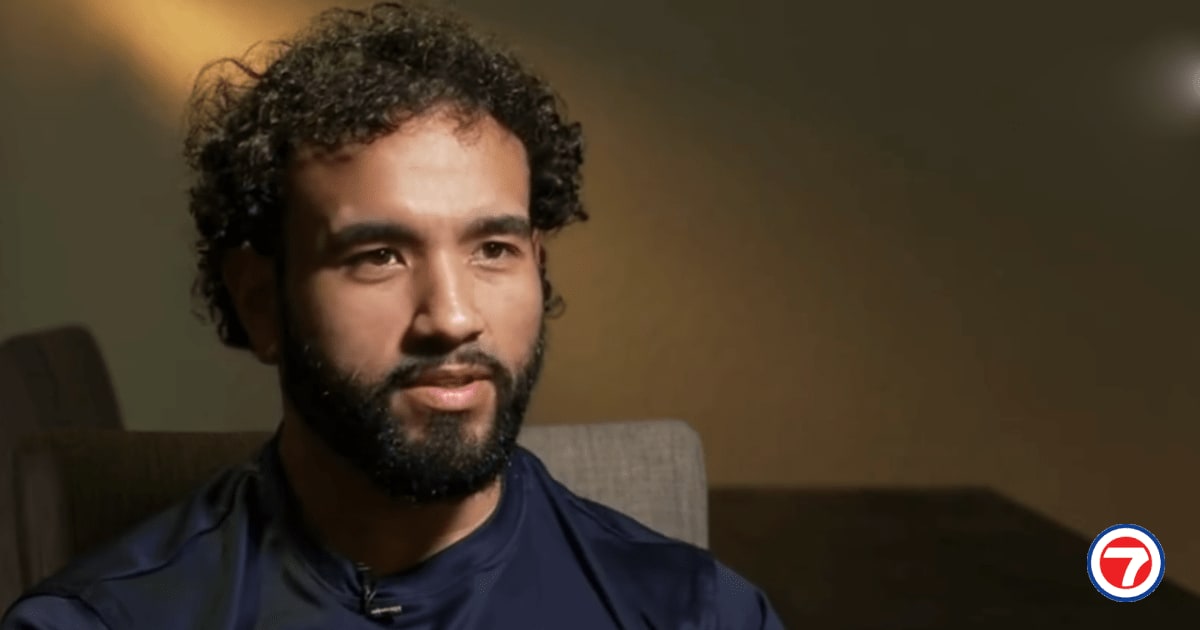
South Florida resident Sergio Lavya had struggled with his weight for years. At one point, he weighed 370 pounds. But after developing back problems, he decided to change his lifestyle, eventually losing more than 200 pounds over two years. The dramatic transformation came with an unexpected problem. When he returned to his rideshare driving job, the company's facial-recognition system apparently failed to recognize him, leaving him unable to access his account. It wasn't until he reached out to “Help Me, Howard with Brandon Beyer” that he got his job back, according to an August 17, 2026 report by WSVN.
A 200-pound transformation
Lavya loved gaming, but he worked as a rideshare driver to earn a living. Over time, his weight began affecting his mobility and contributed to back problems. He eventually stepped away from driving, underwent surgery, and began making major changes to his lifestyle. “I was more focused on my health than I was worried about income because again I wanted to be mobile, I wanted to be active,” he recounted. Two years later, he had lost 200 pounds. “I don’t recall the last time I’ve ever been this small,” he remarked. But when he returned to work, he encountered a problem he never could have anticipated. The company no longer recognized his face. His account was deactivated and eventually banned.
AI recognition error
With help from “Help Me, Howard with Brandon Beyer’s” Howard Finkelstein, Lavya approached the company once again. The following day, his account was activated. The incident raised questions about whether an automated facial-recognition system had failed to identify him after his dramatic weight loss, and only when there was a manual intervention was the driver's face recognized. Raising the concern on the growing usage of AI and how it impacts drivers like Lavya, Finkelstein remarked, “Drivers are independent contractors, so they have no employer/employee protections in place. There’s no real [human resources] department for them to go to. In Sergio’s case, it seems the ride-share company is simply not physically recognizing him due to his weight loss.”
The limits of facial recognition
Lavya's experience also highlights concerns surrounding the use of facial-recognition technology in the workplace. A Pew Research Center survey found that about a third of Americans are against employers using AI face recognition to track their employees. Most participants suspect that these AI technologies cannot recognize some skin tones better than others, misinterpret facial expressions, or misidentify workers. A report published in AI & Society has also examined ways to reduce errors in facial-recognition systems, including through better training and testing of the technology.
Viewers had plenty to say


Viewers criticized the company for relying on automated technology, while others joked about Lavya's transformation. Many advised Lavya to ditch the driving job and take up personal lifestyle fitness coaching after his dramatic weight loss. @leeanngratton28 said, “And this is what happens when companies put all their trust in computer software that is still in its learning stages! AI isn’t what people think it is!” @janehendron6275 commented, “This is why AI will never replace real people. I can almost guarantee the rejection was an AI search. Once a real person got involved, there was discernment.” @XANSEM joked, “If all else fails, call your local news station."
More on Scoop Upworthy
 Share on Facebook