He was sipping a Wendy’s lemonade when police surrounded his driveway and threatened to arrest him for reckless driving. Then he showed the receipt
The cops started noticing little things that Purcell wished they had realized earlier

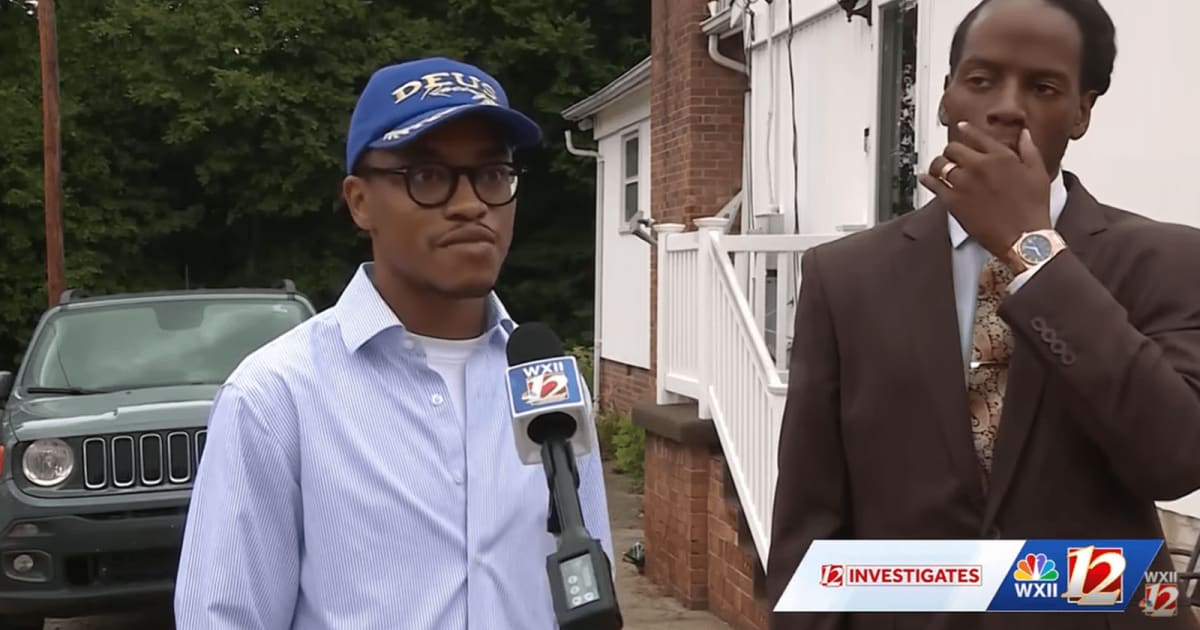
Amadeus Purcell could never have wondered that a late-night craving for strawberry lemonade would almost land him in handcuffs. On August 20, 2026, the Reidsville, North Carolina, resident returned home to find a police officer behind him. Within minutes, several patrol cars had gathered outside his house as officers accused him of driving about 100 mph on Scale Street. Purcell said police linked his vehicle to the incident using an image from a Flock automated license plate reader. However, a timestamped Wendy’s receipt sitting inside his car ultimately helped show that he could not have been where officers said he was at the time. WXII 12 Investigates reported on the encounter on September 4, 2026.
Wrongful detainment
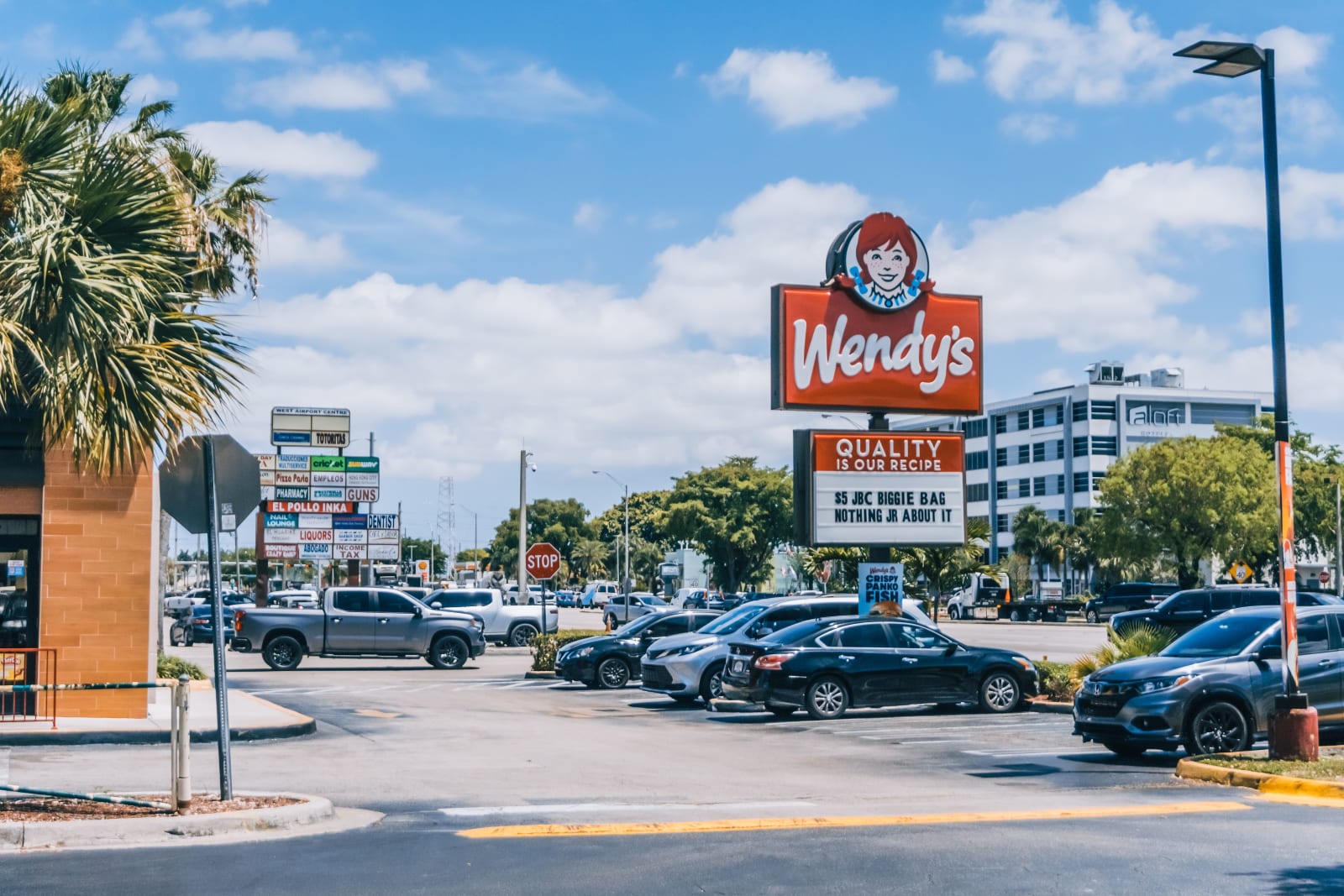
Purcell had just returned from Wendy’s off Freeway Drive when he noticed these police cars in his driveway. "I look in my mirror, and I just see a cop car on the street," he recounted to the news outlet. A Flock camera image was used to link his vehicle to reckless driving and driving about 100 mph on Scale Street. Since the tires had fresh marks and the car was still hot, they were convinced that it was him. Just when they were threatening to arrest him, he pulled out the receipt from Wendy’s as proof that he was not the one they were looking for.
Receipt reveals the truth
After seeing the time on the receipt, the officers reconsidered whether they had the right vehicle. An image from the Flock camera further proved his point. They started noticing little things that Purcell wished they had realized earlier. The car in the footage had diagonal headlights, while his were square.
400+ signatures on his petition
Purcell said an apology would no longer be enough. He has filed a complaint with the Department of Justice concerning the Reidsville Police Department. On August 28, he received a statement from the State of North Carolina division: "Your request for assistance falls more appropriately within the authority of that agency, as this is a criminal issue." Looking ahead, Purcell wants Flock cameras banned in Rockingham County. He has even filed a petition that has collected 400+ signatures from residents. County Commissioner Houston Barrow responded to the petition, saying it’s up to the lawmakers to control how Flock cameras are used on state roads.
On August 23, WXII-12 Investigates also reached out to the police department for data logs and camera policies. They responded by saying the investigation is ongoing and no additional information can be provided. For Purcell, however, the incident has left him shaken, and he will never exit a store without a receipt. "I just want to know why," he said. "I can't live like that; I don't think anyone can. Just having to know that's a possibility, it's kind of scary."
The fear-inducing eye
Purcell's experience adds to wider concerns about relying too heavily on automated surveillance tools without independent verification. Flock Safety itself acknowledges that automated license plate translations can occasionally be incomplete or inaccurate and says users should confirm computer-generated readings before taking action based on an alert. Other automated identification technologies have also produced serious mistakes. In June 2026, The Guardian reported on a Florida man who sued law enforcement agencies after facial-recognition software incorrectly identified him as a suspect in a crime committed more than 300 miles from his home. Facial recognition and automated license plate readers are different technologies, but both cases illustrate why automated matches should be treated as investigative leads rather than unquestioned proof.
Say no to elusive surveillance


Viewers were enraged by the sheer ridiculousness of the whole incident and the helplessness of the victims. Many protested to bring about change. @kijahni commented, “We all need to get rid of these Flock cameras. There is too much potential for abuse. Obviously.” @falcorthewonderdog2758 said, “More proof of the complete lack of any training in law enforcement.” @alanaird7970 added, “Proving your innocence is the new norm with these surveillance systems.”
More on Scoop Upworthy
 Share on Facebook


