246 people received $100 school-zone tickets signed by 'Sergeant John Doe.' There was just one problem: he didn’t exist
The tickets are usually generated when the camera captures a vehicle moving at 11 miles per hour or more during the school hours

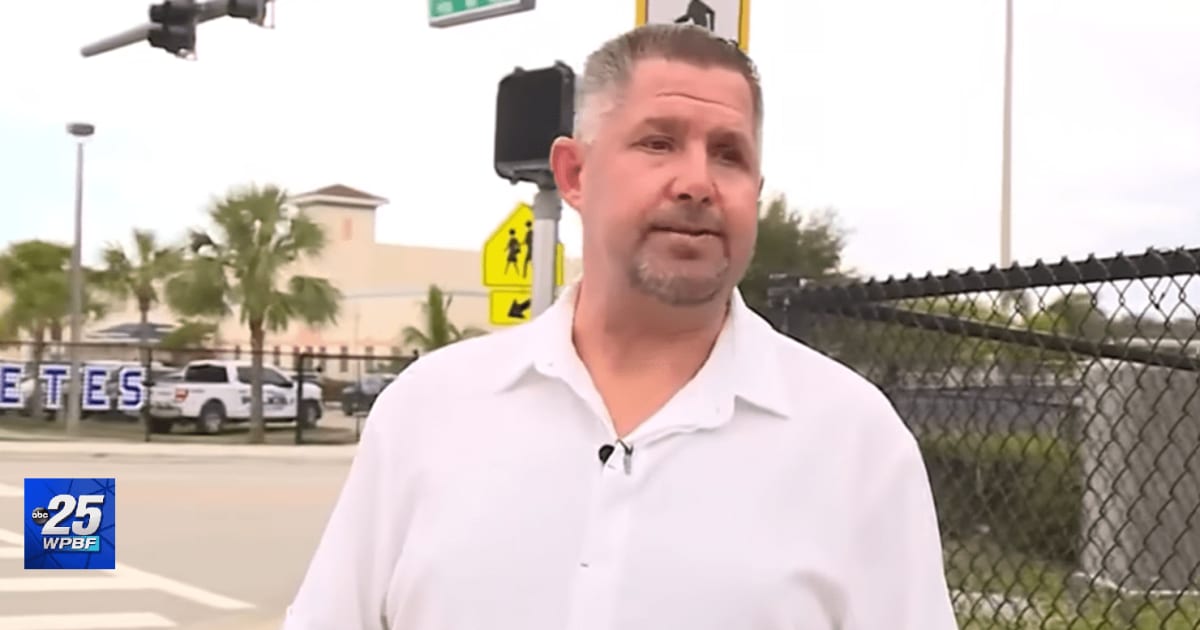
A few months ago, David Hirsch, a Wellington resident, was driving past a lane adjoining the Equestrian Trails Elementary School without any idea that a camera strapped somewhere was secretly recording his vehicle. On May 5, 2026, an unheeded ticket popped out of his mailbox, imposing on him an unreasonable fine of $100. The problem was that the officer who had signed the ticket didn’t exist. As the word broke out in public, he realized he was not the only one to have received a ticket like that. According to a September 5, 2026, report by WPBG 25, Wellington accidentally mailed 246 tickets, originally supposed to be test notices for cars riding in the school zone.
Security or scam?
The tickets were part of a program the school conducted in partnership with the camera vendor Jenoptik. It was an automated system designed to catch violations when a vehicle was recorded to be moving at 11 miles per hour or more over the applicable limit during the school hours. The system utilizes radar-based cameras to detect speed and capture the vehicle’s license plate. The ticket charged a $100 speeding fine, which was due on June 28.
The officer didn't exist
All violations are reviewed and approved by a duly authorized technician before the ticket or the Notice of Violation is issued. The hearing officer can uphold or dismiss the ticket before signing it. But the ticket Hirsch and 245 other drivers received was labelled with the name “Sergeant John Doe,” a fictional officer. The problem, as Jenoptik confessed, was caused by a glitch in the testing system. The company reviewed its processes and apologized for the error and confusion. They further mentioned that the tickets the recipients got did not have valid violation numbers and PINs.
Millions of people receive it each year
If a village as small as this sent out 246 tickets, the number compounds when looked at from the perspective of the entire United States. According to Advisement, there are over 230 million licensed drivers in the US, of whom 41 million receive at least one speeding ticket each year. The average ticket price is $150 and can go higher if the driver is speeding near a school area. These facts are important given that nearly 11,288 people died in a year in speeding-related deaths, per NHTSA. Worse still, only 5% of drivers contest the speeding tickets, while the rest of them just pay the fine without questioning, per statistics cited by RHINO Lawyers.
They would keep the money anyway


The episode stirred a heated uproar among the viewers, who called out on technological and government systems to take responsibility. @tdeasley commented, “They were hoping that people weren't that observant and would pay the tickets. And who in their right mind believes that if someone, and I am sure some did, paid the ticket that they weren't going to keep the money!” @robertnewtonlektrikpuke9666 said, “The camera vendor should have nothing to do with, and should have no authority to send out tickets, test or otherwise!”
Meanwhile, three days after receiving the ticket, Hirsch received the cancellation notice that informed him of the error. “There should have been stopgaps and safety measures in place to prevent anything like this from ever happening to anyone. Take a closer look at the ticket,” he insisted.
More on Scoop Upworthy
 Share on Facebook