Father and son celebrated buying a $177,000 Florida villa for $9,100 at auction — only to discover they owned a strip less than an inch wide
The auctioned property was just a 1-foot-wide by 100-foot-long strip of grass worth just $50


Kerville Holness’s new neighbors couldn't stop teasing him after he was deceived into shelling out more than $9,000 for what turned out to be a mere strip of grass. In 2019, Holness and his son, Kerville Jr., aka "Junior," bought the property in an online auction advertising Broward County’s tax-delinquent properties. He thought he was buying a $177,000 villa, but when he claimed the property, it turned out to be a mere $50 strip of grass extending from the street to a backyard. The incident was shared by Inside Edition in a clip on July 21, 2019, and has gained over 7.1 million views since.
Too good to be true
Holness believed he was scammed by the Florida county into paying $9,100 for what he thought was a stunningly beautiful $177,000 villa in Tamarac. The father-son team was excited to have snagged such a bounteous deal. Little did they know that the villa in the photos was a deception, while the actually auctioned property was just a 1-foot-wide by 100-foot-long strip of grass worth just $50. According to SunSentinel, the strip began by the curb near two mailboxes, passed beneath the dividing wall between the garages of neighboring Spring Lake villas, and continued to the rear of the property.
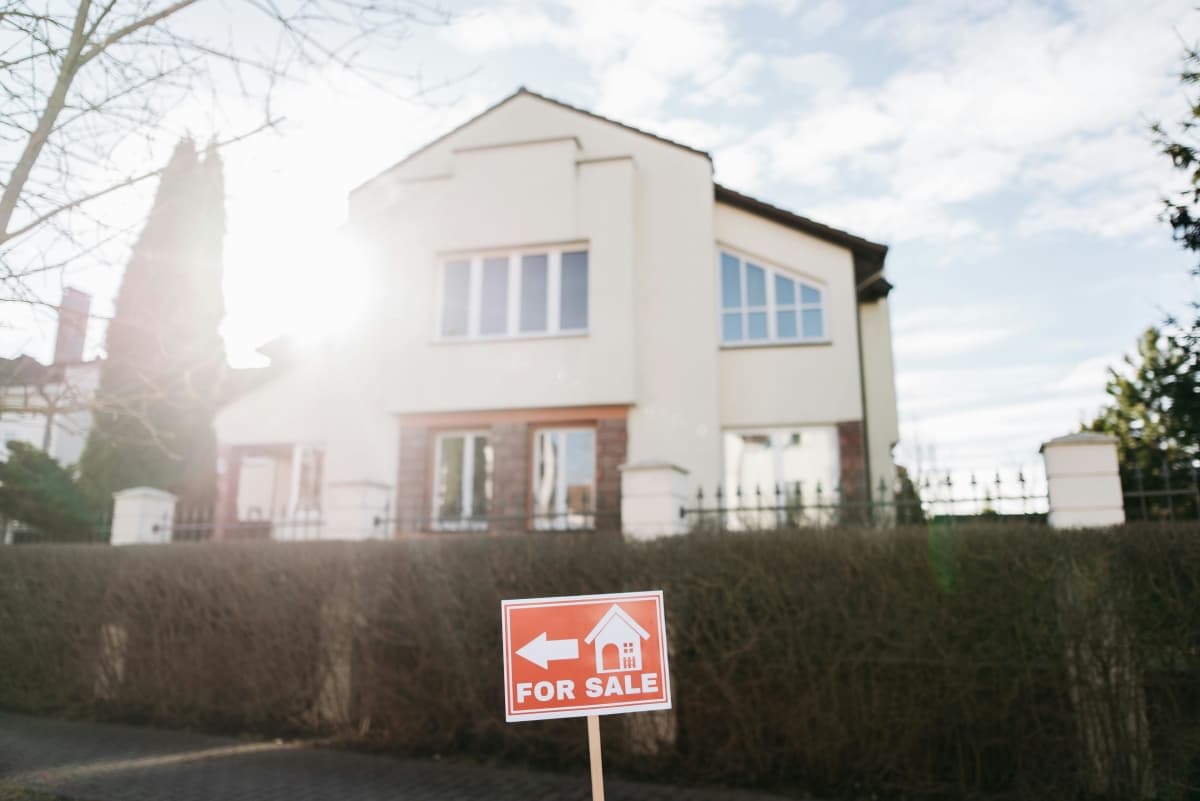
Duped by advertising
After this shockingly deceptive swindle, Holness claimed that he could cut right through the villa to claim the entire strip of grass from anyone entering inside. "But what use would that be to me?" he speculated. He insisted that Broward withdraw the deal and return his money. But County officials abandoned his plea by saying the law didn’t allow for refunds. "It's ridiculous. I don't know how they even got to sell the land in the first place," one of his neighbors said.

According to Holness, he placed his bid after reviewing the photos shared by the property appraiser, but the appraiser denied any such claim. They even added that the $50 price was clearly mentioned on the auction listing, but it might have failed to catch Holness’ attention. What surprised everyone was that the seller didn’t choose to include the strip in either of the adjoining houses and rather chose to sell it as an independent piece of land. And if it was supposed to be sold independently, why did they accept a whopping $9,100 from Holness?
Property scams
Like Holness, several people endure losses of millions of dollars to property scams. For instance, the statistics cited by The Open Access Journal for Computer Science Research reported that nearly 11,578 people became victims of real estate fraud in 2021 alone, resulting in over $350 million in losses. There are several different ways these scams are carried out. For example, in a study by the TARUMT Institutional Repository, two of the most common fraudulent techniques in property auctions include bid manipulation and misrepresentation of property conditions, exactly what Holness and his son experienced.
This is a full-blown scam


Viewers wrote enraging remarks on the city and angrily pleaded with the city to return the money. Some even gave ideas on how to put the land to its best use. @nola5300 speculated, “How does the city sell parts of land in someone's home, though?” @danrion8835 said, “Their land is going through the house; they should claim it by cutting the house.” @millionairehoyoriginal joked, “They could build a strip mall there and make a fortune!”
More on Scoop Upworthy
 Share on Facebook


