Those yellow bumpy tiles exist because a man in 1965 wanted to help his friend going blind
The familiar yellow tiles use raised dots to warn of danger and bars to guide people along a safe path

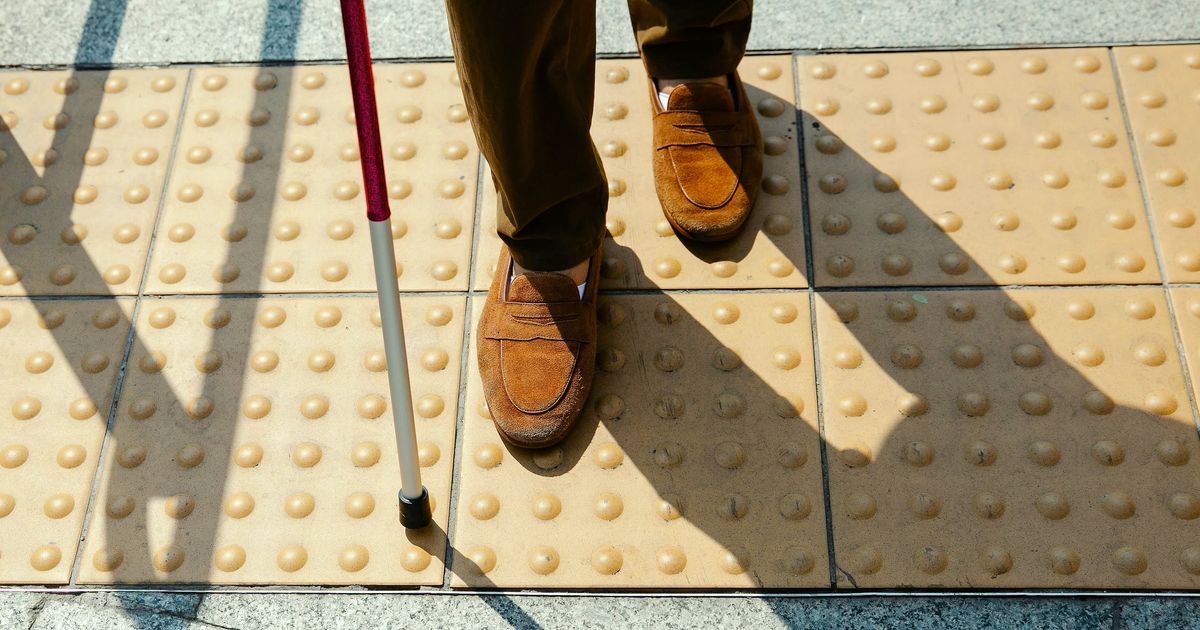
Before tactile paving became a familiar sight on sidewalks and train platforms around the world, navigating public spaces could be especially difficult for people with visual impairments. Uneven street edges, sudden drops, construction hazards, and other obstacles offered few warnings. In 1960s Japan, Seiichi Miyake faced this problem personally when a friend began losing his eyesight. His solution would eventually transform the way visually impaired people navigate public spaces around the world: the bumpy yellow tactile paving, CNN reports.
Today's #GoogleDoodle celebrates Seiichi Miyake, inventor of Tenji Blocks: raised bumps & bars on pavement to help visually impaired or blind pedestrians navigate safely. They were first introduced on a street in Japan on this day in 1967!
— Google Doodles (@GoogleDoodles) March 18, 2019
Learn more → https://t.co/M5LHqrJXNx pic.twitter.com/MTpeTirq9m
Invention for friendship
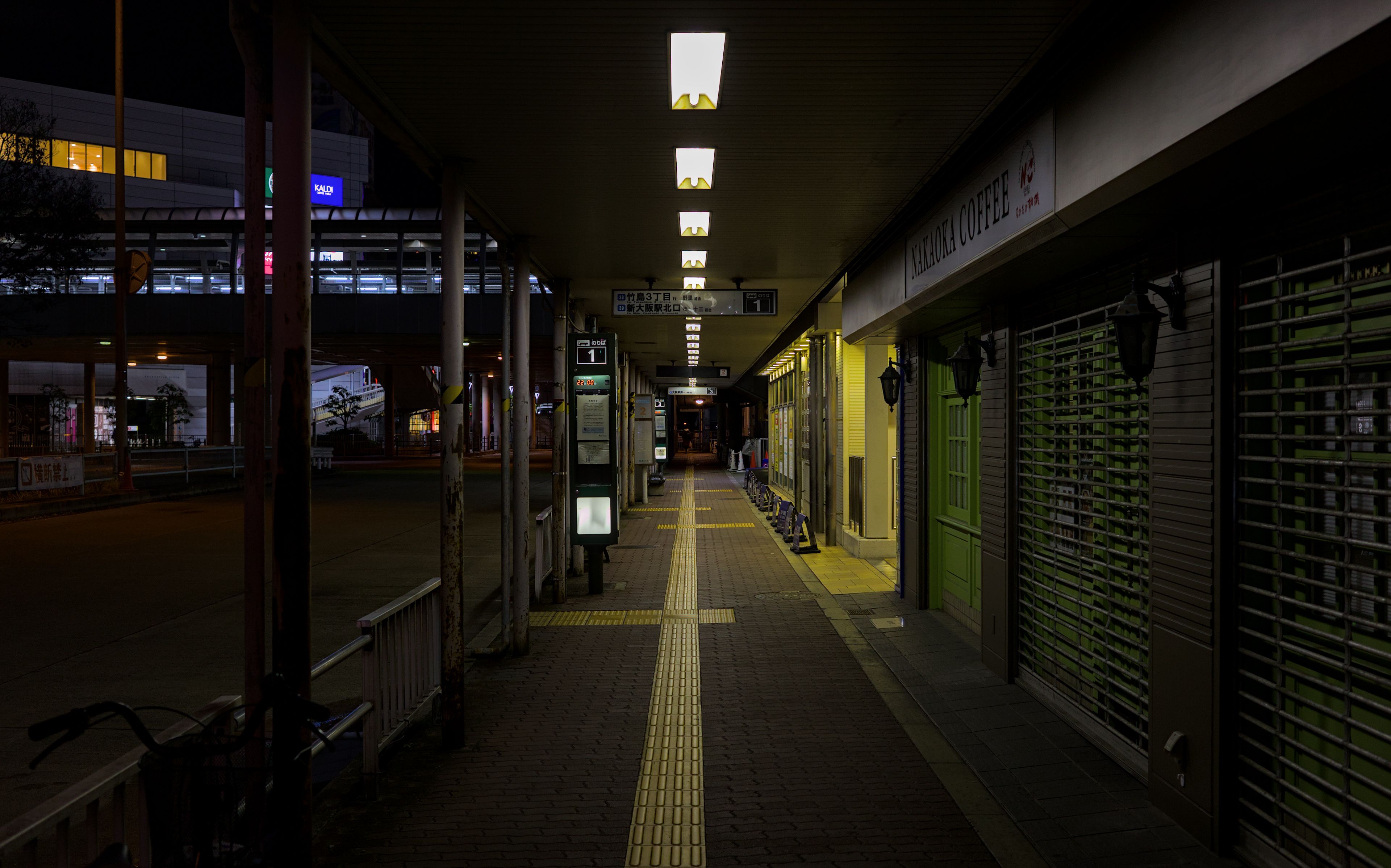
Today, the characteristic tactile paving, also called “braille blocks,” "blister paving," or “Tenji blocks,” can be observed across railway platforms, subway platforms, and urban crosswalks. People with visual impairments use this paving to navigate public spaces via walking cane or shoes. Initially, the pavements would be constructed from materials like concrete, but as technology advanced, the materials changed to rubber, heavy plastics, cement, ceramics, cast metal, and even stainless steel.
Language of its own
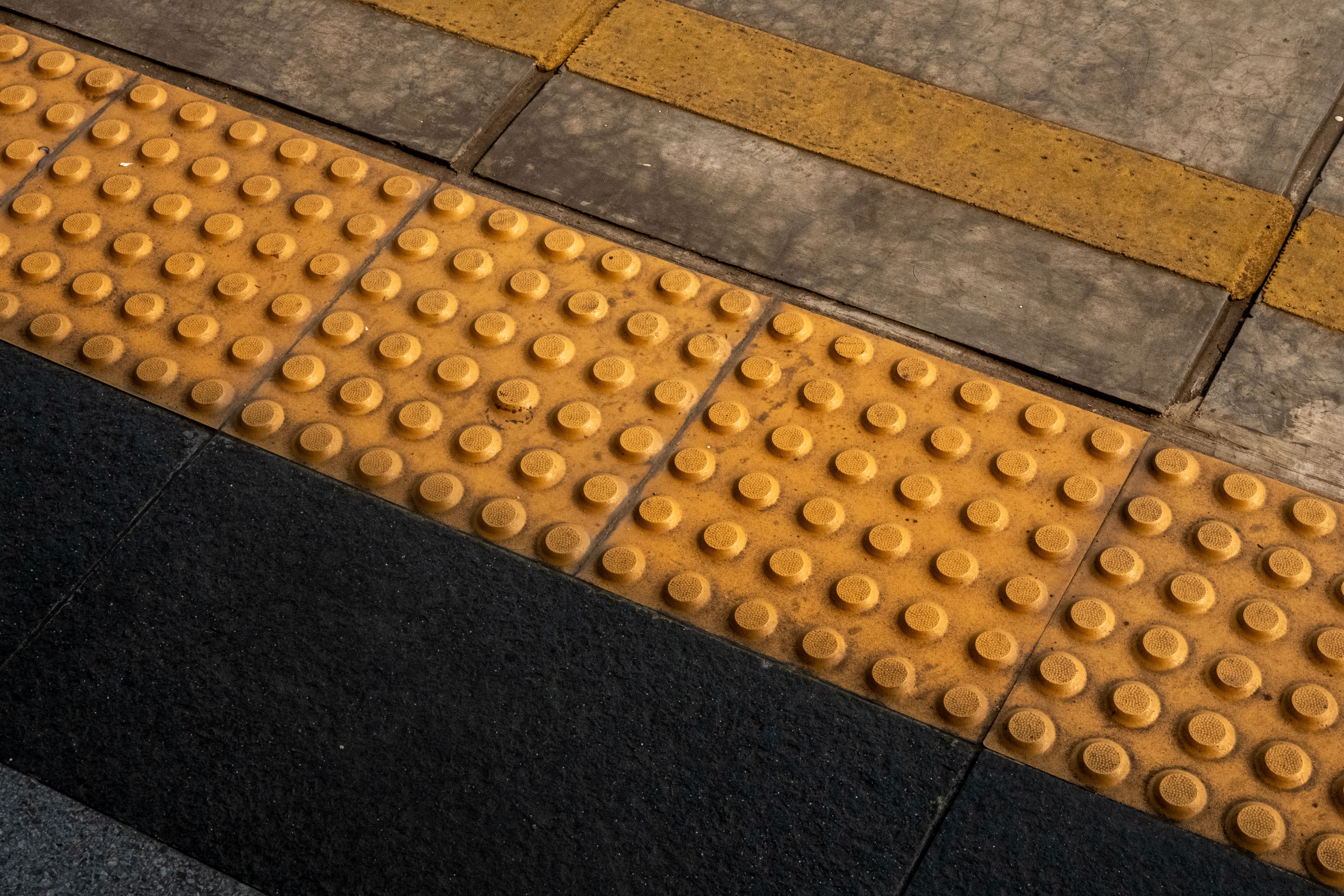
The term “Tenji” translates to “braille” in Japanese. Just like Braille codes used in education, Miyake’s design uses Braille to convey tactile information for the visually impaired. Its textured design features two types of styles: dots and bars. While dots or domes warn the individual of the treacherous traffic ahead, the bars act as a guide to direct them towards safe zones on a pathway. The bright canary yellow color was used to promote high visibility, particularly for those who have partial eyesight.
For those who need help
According to the Centers for Disease Control & Prevention, approximately 7 million people across the United States have visual impairment, including 1 million with blindness, most of whom strongly rely on tactile cues or external guidance to navigate urban environments. Perkins School for the Blind revealed that about 2 to 8 percent of the visually impaired individuals use white canes for independent street navigation. Others seek help from a sighted guide or a guide dog.
A global impact
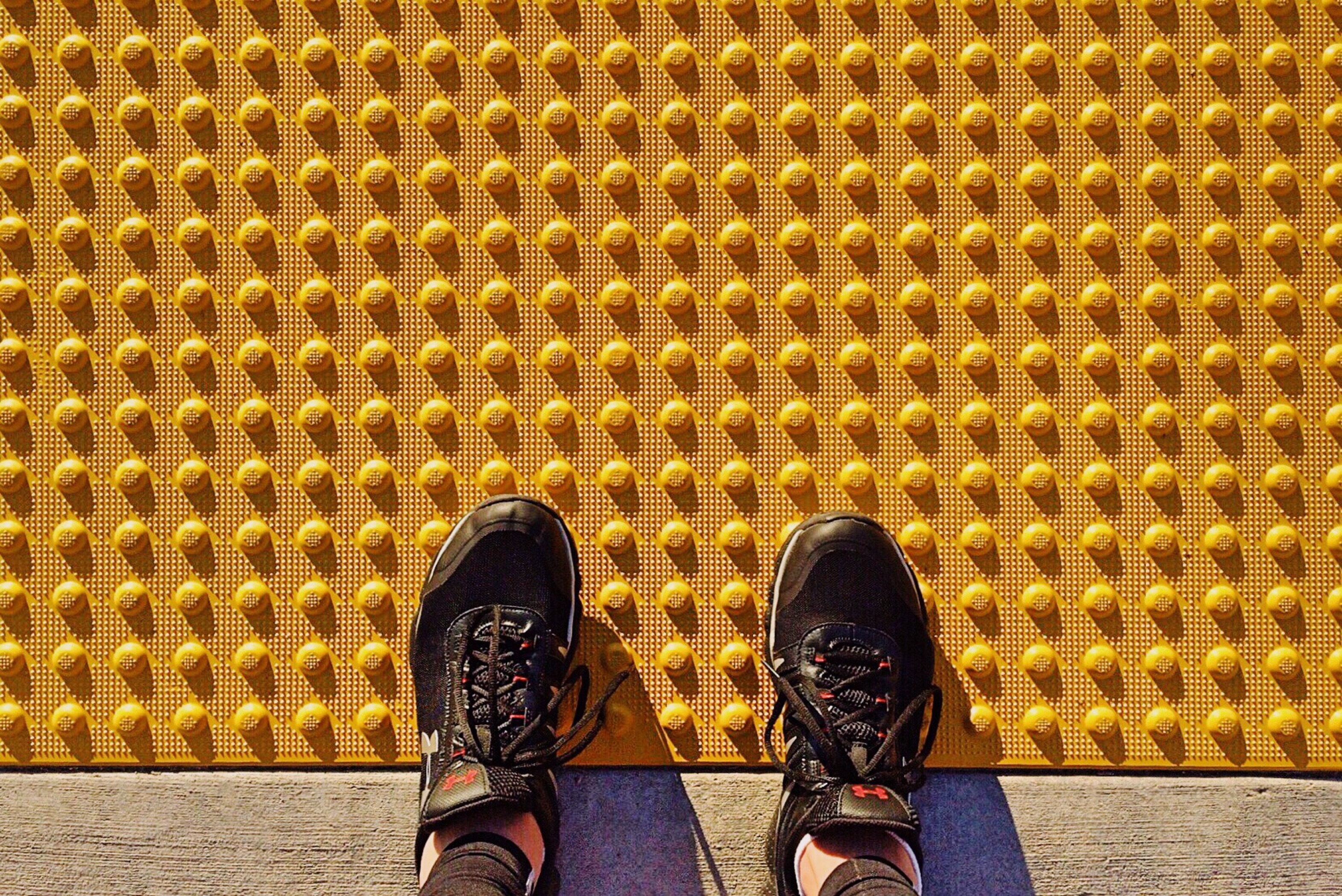
Miyake, using his own money, constructed special mats with raised shapes in 1965, with, of course, his friend's condition in mind. Pavement with round bumps indicated nearby danger, while the ones with straight bars would guide them to safe areas. And soon, it was installed near the Okayama School for the Blind in Okayama City on March 18, 1967, per CNN. It was effective enough that Tokyo and Osaka soon followed the invention and carved similar pathways across the country. But it wasn’t until the '90s that countries like the US, the UK, Canada, and India adopted it. As of the present day, the bumpy yellow tactile paving can be observed from curb to curb, including famous properties like Big Ben, the British Museum, and Buckingham Palace.
More on Scoop Upworthy
8-yr-old boy asked for sewing machine as a gift and then created something beautiful for his sister
 Share on Facebook


