His heart stopped for 2 hours. Doctors weren’t sure he was alive until his newborn baby made him cry
By the time emergency responders arrived, Sam King's heart had gone without a sustained heartbeat for nearly two hours.


It was a typical day for Hedge End resident Sam King on April 2, 2026. He went to a local pub to enjoy an alcohol-free toast. Afterwards, he jogged home to prepare dinner alongside his heavily pregnant wife, Emma. The 27-year-old had no reason to believe his life would turn upside down within the next few hours. At around 4:00 AM, Sam suddenly began gasping for breath and became unresponsive. By the time emergency responders arrived, his heart had gone without a sustained heartbeat for nearly two hours. He remained in a coma for days until Emma brought their newborn daughter, Sophie, to his room, as reported by This Morning (@thismorning) on 10 August 2026, garnering over 21,000 views.
The calm before the storm
The night began with a normal routine for Sam and Emma. He went to a local pub in Hedge End, near Southampton, for a toast to celebrate his new journey. Sam then ran back home, as he continued his preparations for a half marathon. The couple then made dinner together before enjoying the meal and going to sleep. It wasn't until 4:00 AM that things turned upside down. Sam had briefly spoken to Emma, who had gotten up to go to the toilet and was just scrolling on her phone, before drifting off again. But about 10 minutes later, he began making huge gasping breaths and became unresponsive. Because she was already awake, with the phone in her hand, she immediately called 999, who in turn told her to start giving her husband CPR.
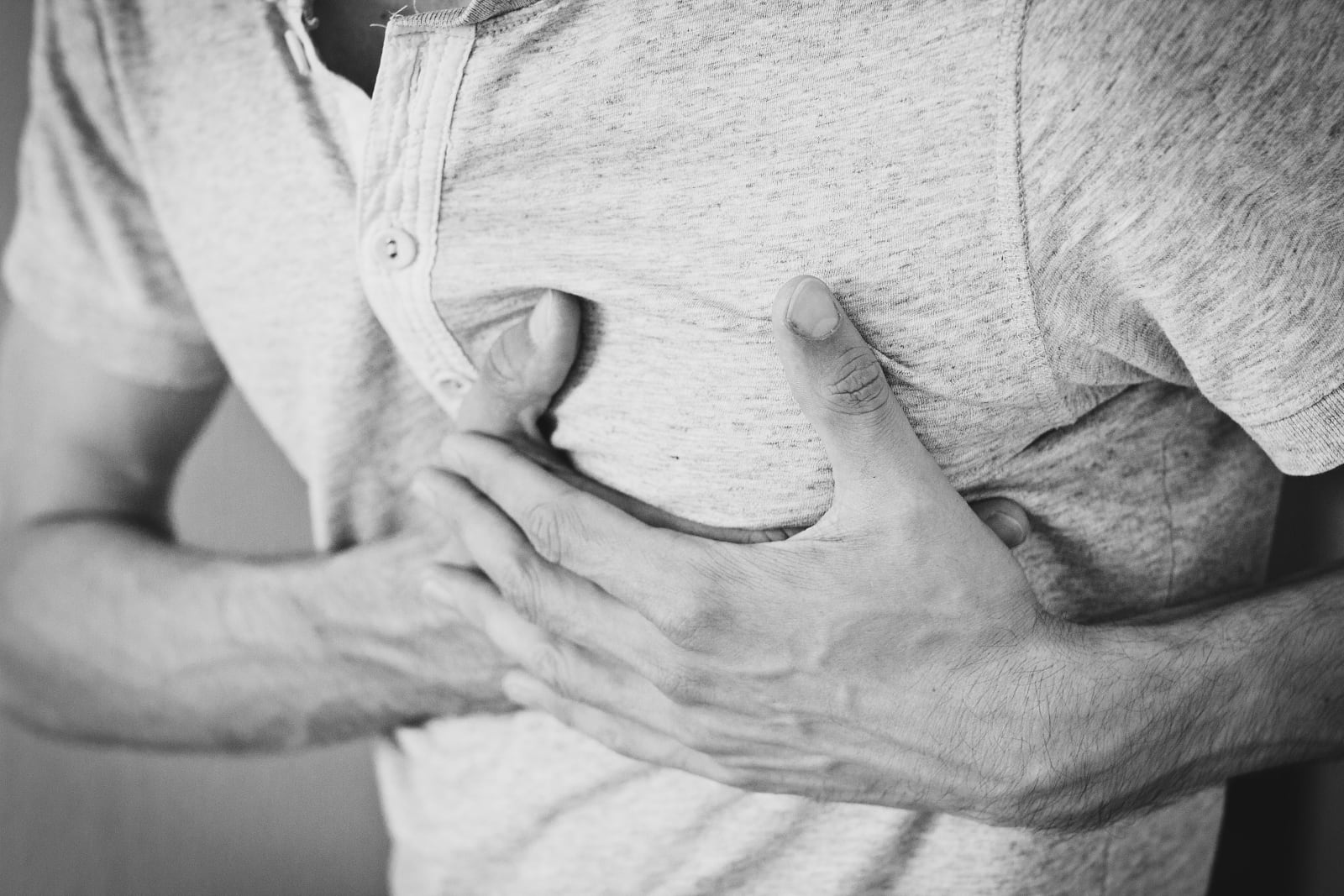
"I was probably shouting at him and wasn't getting anything back," Emma said. For 20 long minutes, Emma continued CPR until the paramedics arrived. Despite her brave efforts, when the officers first arrived at the scene, they were not sure whether Sam would make it. To make matters worse, all of this was happening on the top floor of the couple's three-storey house. So, he had to be carried down, where Sam was then shocked 11 times with a defibrillator. After almost 2 hours, the officers wondered whether continuing the treatment was worth it or not.
Uncertainty prevailed for the next few days
But when one of the doctors, Dr. Edward Langford, performed an ultrasonic scan of Sam's chest, he could see some activity, giving the medical team a reason to keep fighting for his life. Although he later confessed that a downtime of 2 or more hours usually isn't a good sign, he told his team to take Sam to the hospital. "I think we all hoped for the best, but were fearing the worst," he remarked. Nonetheless, the worst was yet to come, as during the journey to the hospital the battery of the chest compression device ran out. So, doctors took over and performed them by hand.
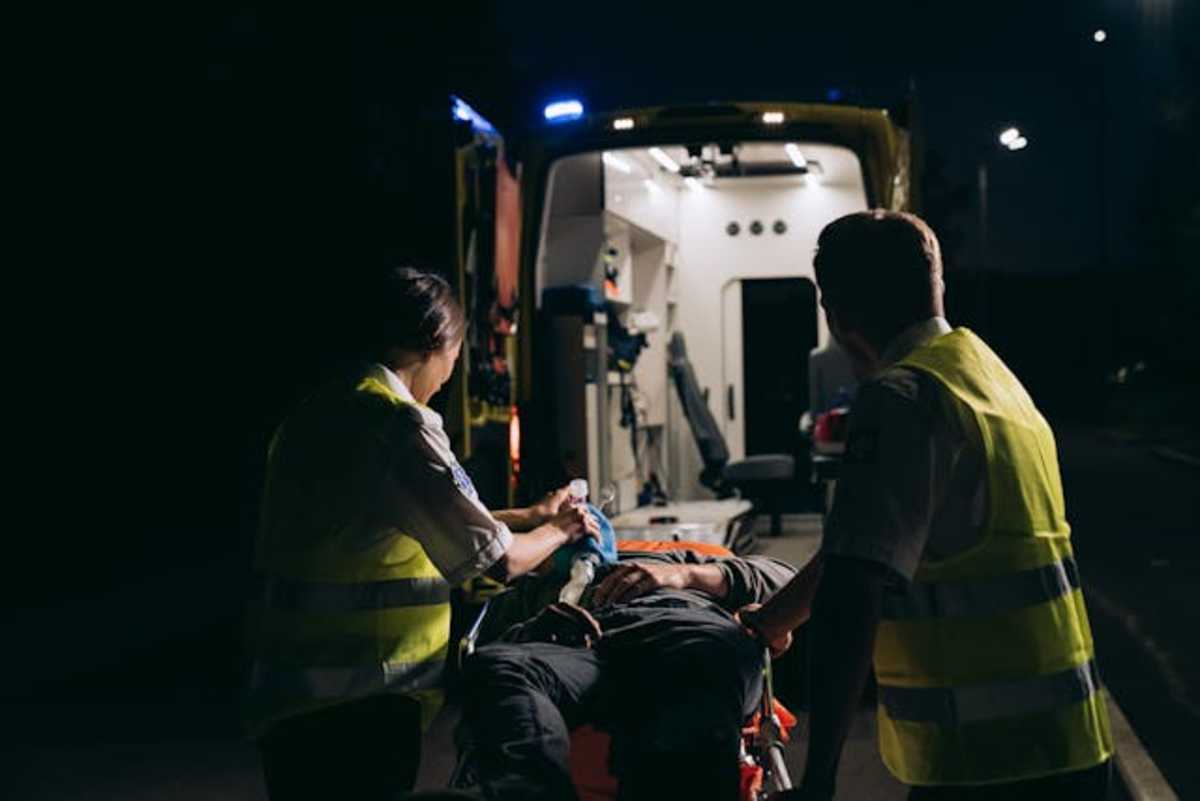
Once Sam arrived at the University Hospital Southampton, he was stabilised but had suffered multiple organ failures. In the days that followed, Sam was transferred to St. Thomas' Hospital, London, where doctors told Emma "he was probably the third or fourth sickest person in the country." Meanwhile, only three days after this incident, Emma went into labor at 4:00 AM in a hotel room. She gave birth to their daughter Sophie (Sam had named her months earlier) in the same hospital in which Sam was admitted.
A miraculous visit
After Sophie was born, Emma and a midwife brought her to Sam's bedside. His sedation had been lowered, but doctors still didn't know whether he had any meaningful cognitive response. When the midwife held Sophie in front of his eyes, tears began rolling down his face. For Emma, it was the first sign that he recognized his newborn daughter. "It was the craziest experience of my life," Emma recalls. That was enough for doctors to know that there was some cognitive function within Sam's brain. But not all was sorted so fast, as Sam spent some more days in London before returning to Southampton.
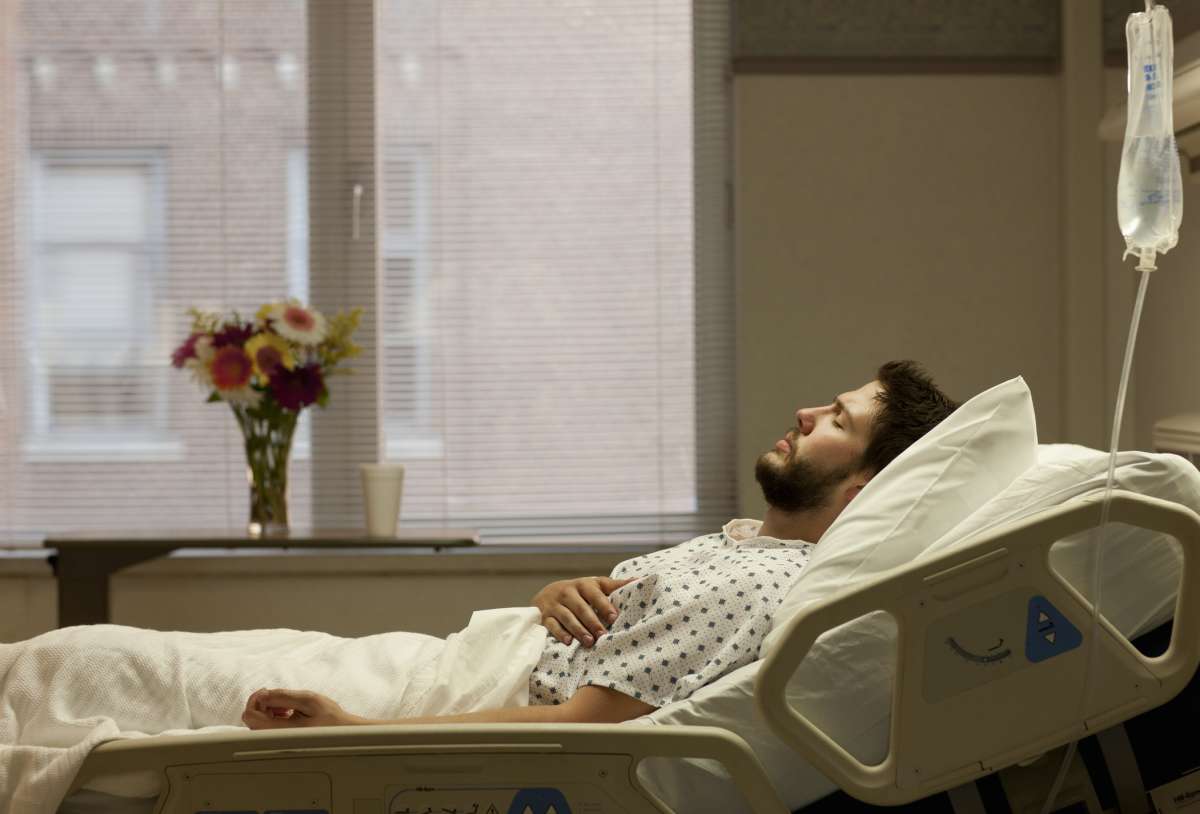
It was only after spending 33 days in hospital that he was finally discharged. What's even more impressive is that he has reportedly suffered no long-lasting damage from the entire incident. However, doctors have inserted an implantable cardioverter defibrillator (ICD) into his chest to avoid another episode similar to this one. "Amazingly, I feel completely normal. No cause has been identified for my cardiac arrest in all the tests and scans I've had, and I feel like I'm back to living as normal a life as I did before," Sam said.
Everyone should know CPR
Although little Sophie did play a role in her father's miraculous recovery, it's hard to overlook the crucial role Emma played by giving her husband CPR at the right time. This goes to show its importance when someone suffers a cardiac arrest outside of the hospital. According to the American Heart Association, every year, approximately 350,000 cardiac arrests occur outside of hospitals. But only about 40% of people experiencing one receive immediate help before professional responders arrive. Immediate CPR can double or even triple a cardiac-arrest victim's chance of survival.
It is truly remarkable

That is why people were more than impressed by Emma and Sophie in the comments of a post by This Morning (@thismorning) on Instagram. @ceclish wrote, "15 minutes of CPR is so difficult for anyone, but for a lady 39 weeks pregnant! You are a true hero! What a story!" At the same time, @pwood555 noted, "Amazing story. Thank goodness wife knew what to do & was there next to him. Dear little girl btw. Keep well."
More on Scoop Upworthy
9-year-old learned CPR from a video. The next day, he used it to save a man at his church
 Share on Facebook


