British man was tired of complaining about a damaged road — so he built his own road instead
Mike Watts completed the road in just 10 days


In a video shared by Tom Scott (@TomScottGo) on YouTube, Kelston Village local Watts seems tired of waiting for the council to repair the only road (A431) connecting their village to the city of Bath. Three months had passed since the landslide, but the road was still unrepaired. Instead of waiting for the council any longer, Watts and a few others decided to build a new road rather than take the 14-mile detour.
A 10-day solution
Watts told Scott that they had decided to build Kelston Toll Road while he and his wife were in a pub with a few others. He spoke to John Dinham, a local farmer who owned the land, after his wife suggested building a toll road and charging cars that passed through. They started work immediately, contacting a local firm of road builders, and completed the road in just 10 days. While they did not seek the council's permission before building the road, Scott pointed out that not getting planning permission in the U.K. before building is not necessarily a crime, until after the council files an enforcement order, and the other party refuses to undo their work.
The council's unexpected reply
Watts thought the council would be happy with the alternative road, but it asked them to apply for retrospective planning permission instead. The reason was that the officials were unsure if the construction and the cars passing through the toll road might cause further landslides. Thankfully, the risk paid off, but that was not the only thing Watts risked to build the Kelston Toll Road. He and his wife put up their house as a "guarantee" with the road-building firm. Just in case their plan did not work out, Watts would have to sell his house to pay the workers. Fortunately, the road generated some revenue. At the time of the interview, Watts told Scott that 100,000 out of 150,000 cars have passed through so far, with the higher goal proving enough to raise the money they had spent on the construction.

The total cost
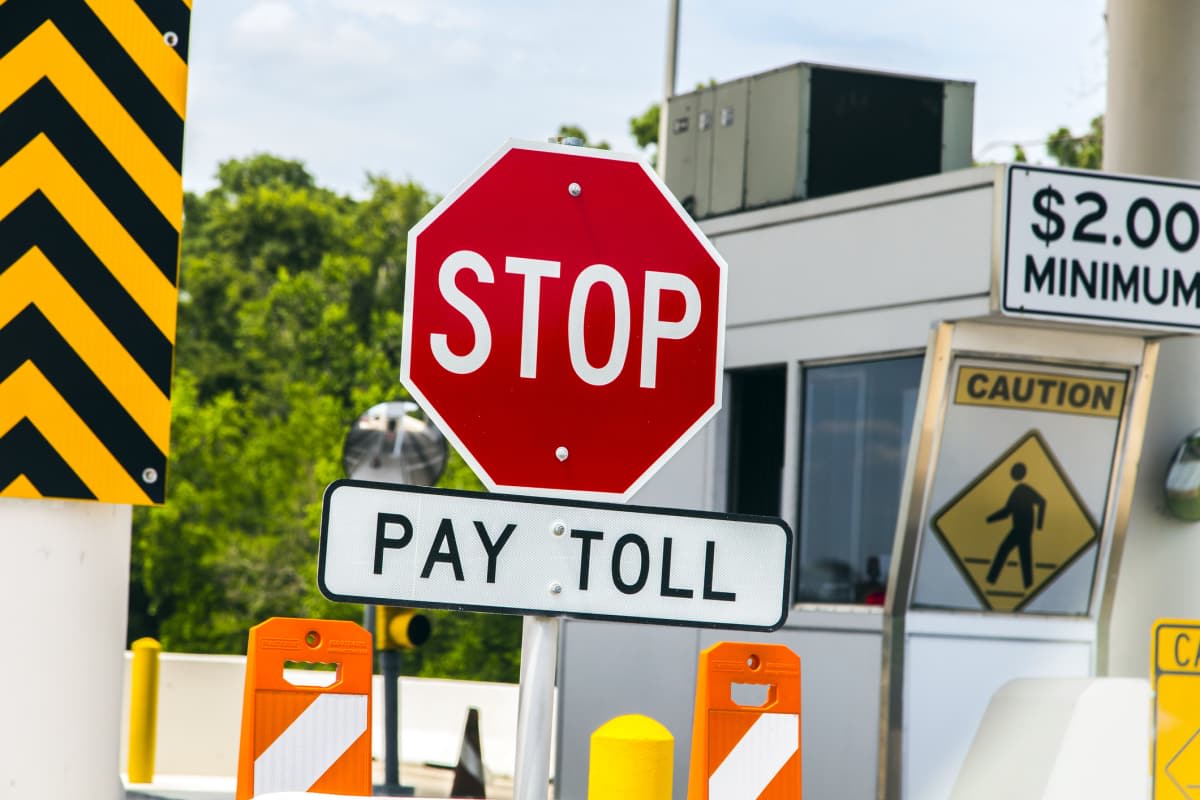
The cost of building Kelston Toll Road was approximately £150,000 ($202,280.25), and it was 365 meters (1,197.51 feet) in length. Watts charged a toll fee of £2 ($2.70) for non-locals and £1 ($1.35) for the people of Kelston. In the same year, 163,000 crossings were made. It may sound like Watts made a profit, but he revealed that he had been too generous. Speaking to The Guardian, he said, "It’s been a very interesting year. We gave out about 200 concessions a day." He ended up losing £10,000 ($13485.35) instead of making a profit.
Road closures caused by landslides can force drivers into detours stretching dozens of miles. A recent study shows that when major roads shut down, diverted traffic can increase stress on alternative routes by as much as 289%, accelerating wear and driving up maintenance costs. At the same time, data from the UK Department for Transport records around 151 earthwork failures every year, events like landslides that can shut roads for weeks or even months. With infrastructure failures occurring hundreds of times a year, what Watts did was nothing short of a miracle for locals.
Finally, a celebration
In November 2014, the council announced that the A431 road was ready to reopen, which meant people could stop using Watts' road. He said, "There wasn’t time for a closing party. But when people heard, we had cakes baked for us, boxes and boxes of chocolates, [and] whisky. Six months from now, no one will know that Kelston Toll Road ever existed. It will be just a little piece of history."
More on Scoop Upworthy
YouTuber builds off-road 'wheelchair' for wife, now ensures all disabled folks can get one
Citizens of a rural town come together to save and revamp the only grocery store in place
 Share on Facebook