NASA reveals what 'spaceflight' does to the human mind
Dr. Dave Rabin explains why long-term lunar living could take a toll on astronauts' mental health

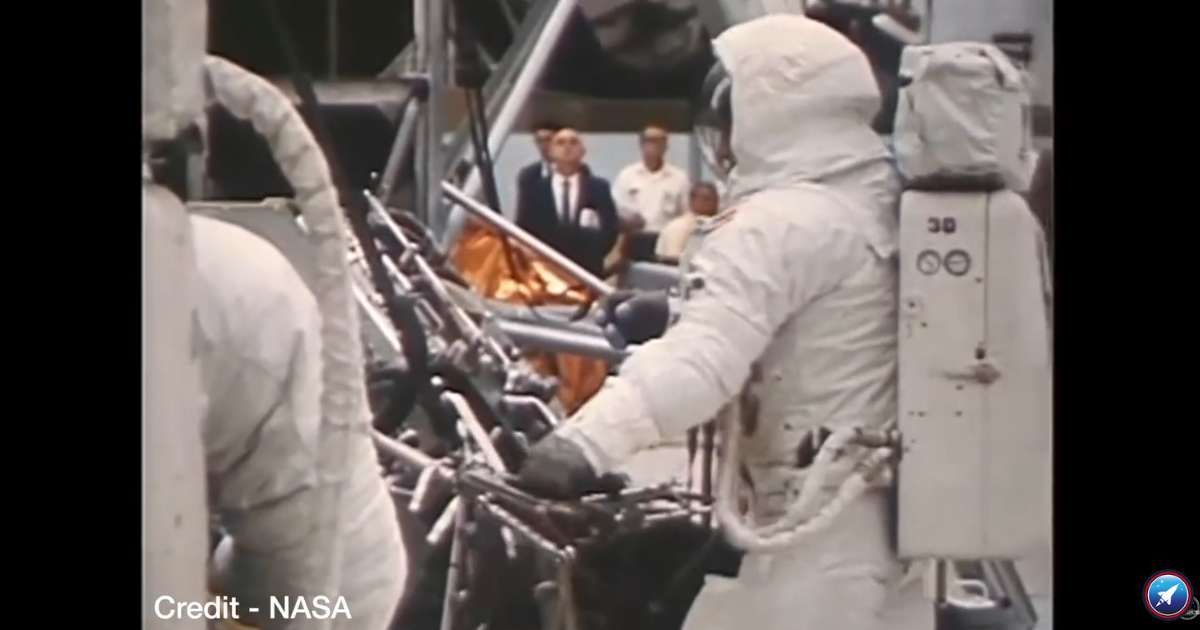
Humanity has spent generations gazing at the moon, dreaming of the day we would finally build a home among the craters. For decades, space agencies assumed that the biggest hurdle to permanent lunar living would be the obvious ones, like engineering artificial gravity and securing a steady supply of oxygen. However, as we move closer to constructing these bases, a different threat has emerged. It turns out that the greatest obstacle to a lunar mission may be the human mind, as reported by Newsweek on July 14, 2026.
The psychological reality shift
NASA's own research highlights the demands of spaceflight, especially on the mind. The initial transition to lunar living immediately fractures an astronaut's fundamental relationship with the environment and self. When stripped of the Earth's familiar landscape, atmospheric pressure, and predictable 24-hour daylight cycles, the brain faces unprecedented sensory distortion. Dr. Dave Rabin, a board-certified psychiatrist and neuroscientist, emphasizes that this profound shift forces the human nervous system into a continuous, low-grade state of alert.

He further described space as "psychologically brutal," arguing that without anchoring cues of our native planet, the mind would struggle to establish a baseline of safety. This might cause early-stage cognitive fatigue and spatial disorientation. Dr. Rabin believes that this might be the greatest danger for anyone trying to picture a life on the moon. However, this isn't all, as he further continued to peel off the layers of consequences the human mind faces long-term on the moon.
Chronic stress takes root
As weeks turn into months, the secondary phase of the lunar habitation may introduce severe, prolonged physiological strain. The combination of cosmic radiation and one-sixth of Earth's gravity alters neurotransmitter regulation, while the complete lack of sunlight disrupts melatonin and cortisol production. Rabin warns that this prolonged disruption inevitably compromises the brain's resilience, stating that these extreme conditions can "affect cognition and mood." Because of this, the nervous system trapped in a survival loop becomes highly susceptible to chronic anxiety, memory deficits, and severe sleep disturbances.

Deep space isolation
Well, the final and perhaps the most hazardous stage of extended lunar deployment is when the emotional reality of true planetary isolation sets in. Looking back at the Earth as a tiny, vulnerable speck in the void triggers profound existential stress and a deep sense of alienation. This extreme detachment from humanity, coupled with the forced confinement, accelerates interpersonal friction and emotional burnout. Rabin notes that without psychological intervention, this deep space isolation can lead to long-term mental health decay.
Astronauts feel depressed
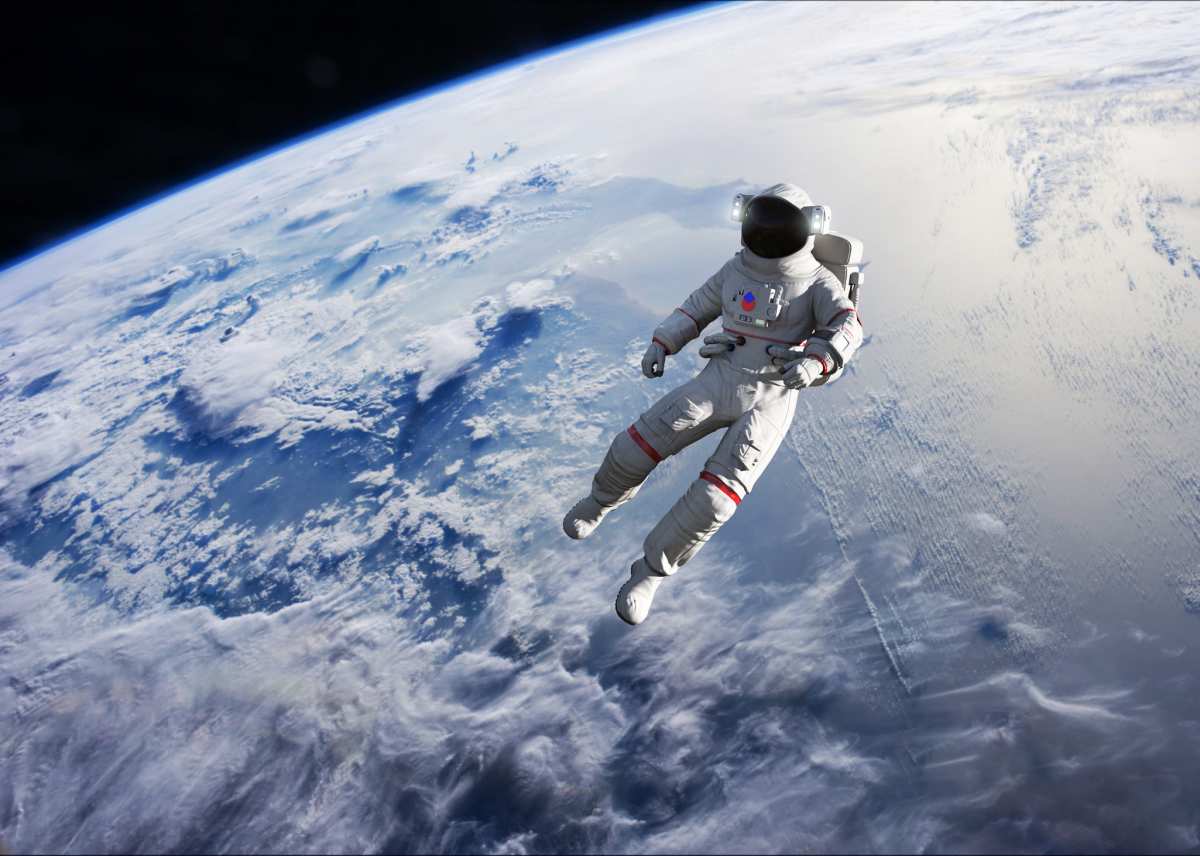
Well, it's not just Dr. Rabin who believes so; according to a study held by Science Partner Journals, 10% to 15% of astronauts who have stayed in space for longer than six months suffer from moderate to severe depressive symptoms. The survey further points out that Microgravity and isolation cause pharmacokinetic changes, with up to a 30% difference in how astronauts metabolize SSRI antidepressants compared to on Earth. Additionally, prolonged confinement also triggers stress-related elevations in cortisol within weeks, as noted by Dr. Rabin.
It can be fought back
Although there's still a lot to understand about this, thus far, NASA has figured out a few steps to tackle these issues. To improve mental health, the organization has encouraged astronauts to explore self-care options. This includes keeping a regular journal as well as growing fresh vegetables in space to provide therapeutic benefits, as it could remind them about life back on Earth. At the same time, to prepare better for the future, the agency is training volunteers to live in an isolated, confined environment for multiple months, leaving no stones unturned.
More on Scoop Upworthy
Italian astronaut was adamant for some decent coffee. So NASA sent 'ISSpresso' up into space
Astronaut Christina Koch saw 'tiny Earth' enveloped by darkness and had a stark realization
 Share on Facebook